ACEN to triple its investment in Australian renewables to $6 billion
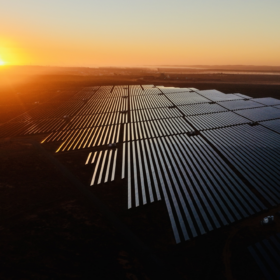
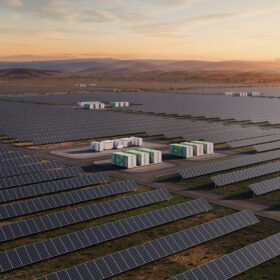
Philippines-based AC Energy Corporation (ACEN) has confirmed plans to up its investment in Australia over the next three years to $6 billion (USD 3.86 billion). The company has been highly active in the Australian market this year, and with its increased investment is seeking to bring a further 3 GW of new renewable capacity online.
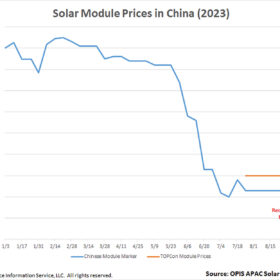
China solar module prices dive to record low
In a new weekly update for pv magazine, OPIS, a Dow Jones company, provides a quick look at the main price trends in the global PV industry.
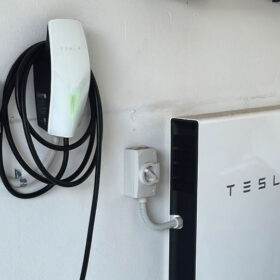
Weekend read: the case for batteries Down Under
Australian residential power prices have surged up to 25% this year. With solar rooftops booming as a result, Nikhil Jayaraj, managing director of Regen Power, looks at whether home batteries will keep pace.
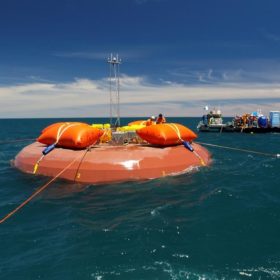
WA wave energy company wins $6.3 million contract for Spanish coast
Western Australia-based company Carnegie Clean Energy has won a $6.3 million (USD 4 million) contract to deliver and operate a ~400 kW version of its wave energy converter off the Spanish coast by 2025.
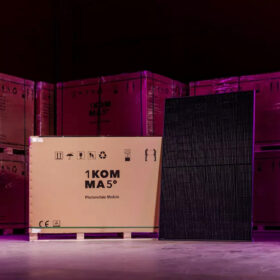
German ‘ethical, low carbon’ solar panel range hits Australian market
1Komma5°, a German startup aggressively expanding in Australia, has now begun taking Australian orders for its own line of “ethical, low carbon” solar panels.
WA, Indonesia strengthen ties around critical minerals
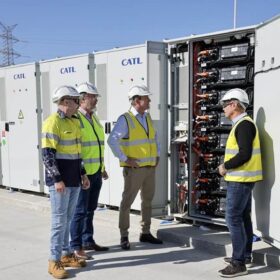
Western Australia has signed an agreement to bolster its relationship with Indonesia around critical minerals and clean energy manufacturing – with both regions among the world’s leading producers for particular minerals.
SunCable sale complete, company lays out more subdued project scope
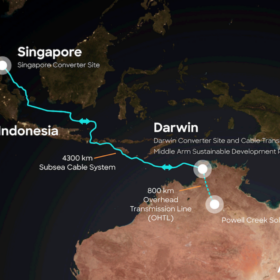
SunCable’s sale to Mike Cannon-Brookes’ Grok Ventures has today been completed, with the company flagging new project elements, including a subsea cable manufacturing and testing facility, as well as reiterating its vision of delivering bulk energy to Singapore via undersea cables.
Southeast Asia has technical potential to deploy over 1 TW of floating PV
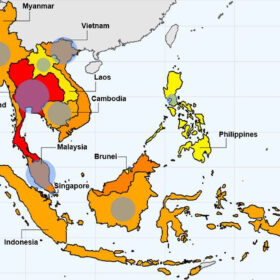
A group of researchers from the US National Renewable Energy Laboratory assessed the potential for floating PV (FPV) plants at reservoirs and natural waterbodies in 10 Southeast Asian countries. It found that the overall FPV technical potential for the region ranges from 477 GW to 1,046 GW.
‘First time’: solar system prices trend into new territory, leads diverge from customers proactivity
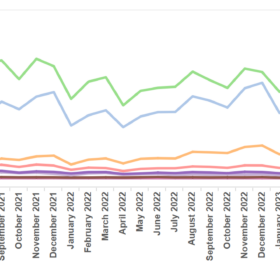
For the first time, 10 kW solar systems have now become cheaper than the 6.6 kW range on a per kilowatt basis, SunWiz analysis has found. Plus, solar lead generation is up even though fewer customers are proactively searching for systems.
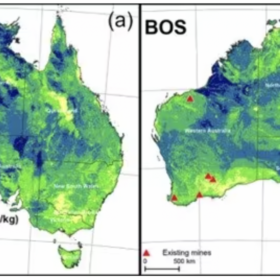
New research finds Australia’s lithium deposits likely extend across eastern states
New research from the University of Sydney pinpointing the concentration and distribution of lithium in Australian soils has found elevated levels in Queensland, New South Wales and Victoria.