CECF directed to shift focus to more reliable, 24/7 power
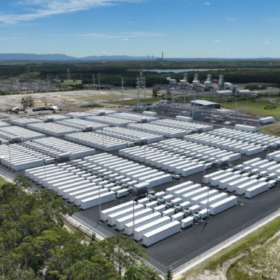
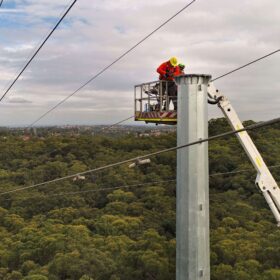
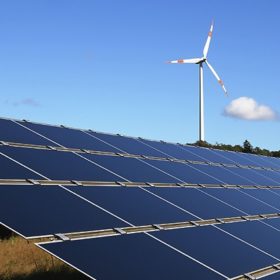
Under a new Investment Mandate, the Morrison government has instructed the Clean Energy Finance Corporation (CEFC) to support the development of a market for firming intermittent sources of renewable energy and to prioritise investments that support “more reliable, 24/7 power“.
ARENA grants $1 million to Ausgrid’s Power2U program
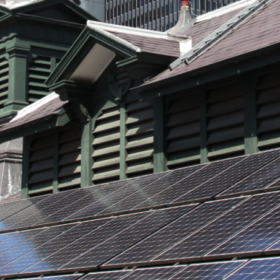
The Australian Renewable Energy Agency (ARENA) is providing $1 million to Ausgrid to boost its innovative grant program for rooftop solar and energy efficient lighting. The program aims to reduce participating customer’s bills, as well as avoid costly network upgrades, in parts of Sydney with low renewables uptake.
Government underwriting of new “firm” generation more strategy than substance
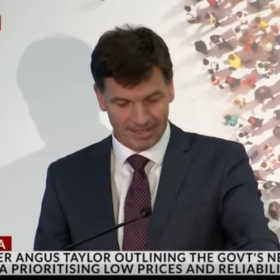
Clean-energy advocates have slammed Energy Minister Angus Taylor’s proposal to underwrite investment in new “firm” generation capacity as a “coal-preservation fund”. The first formal outing of the policy appears vague, non-binding, and heading perhaps in the wrong direction.
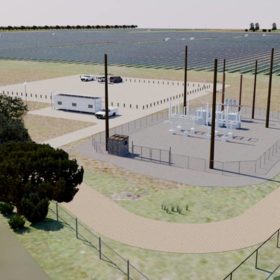
CEFC tips $100 million into ARIF for equity renewable investment
The Clean Energy Finance Corporation (CEFC) is upping its equity investment in large scale renewables by almost 40%. The CEFC announced today a $100 million investment in the Infrastructure Capital Group’s (ICG) Australian Renewables Income Fund (ARIF).
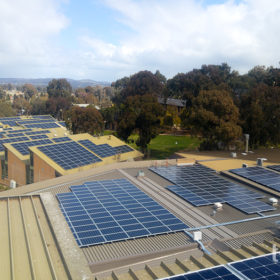
Northern Territory launches $5 million Rooftop Solar Schools program
As part of its Roadmap to Renewables Plan and transition to 50% renewable energy by 2030, the NT government is set to roll out rooftop solar on up to 25 schools across the state over the next three years.
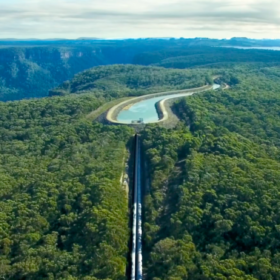
Pumped hydro: Snowy Hydro 2.0 approved by board, NSW plans 24 projects totalling 7 GW
The New South Wales government has launched its ambitious pumped hydro roadmap designed to back the rising level of wind and solar in the energy mix. Meanwhile, the board of government-owned energy provider Snowy Hydro has given the green light to its landmark $4 billion pumped hydro expansion project, Snowy 2.0.
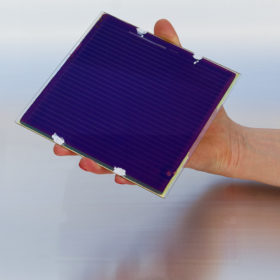
Greatcell Solar enters administration
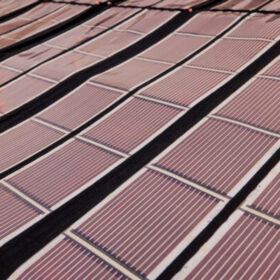
Perovskite solar cell specialist Greatcell Solar has failed to secured refinancing for its activities and has been forced to appoint administrators. The company lays the blame at the federal government’s door, pointing to the R&D rebate changes and policy settings that are unsupportive of renewable energy investment as the reasons behind its downfall.
Australia aims to become world li-ion battery manufacturing powerhouse
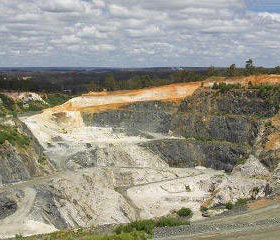
The federal government has launched a strategy seeking investment to unlock Australia’s potential in lithium-ion battery manufacturing. Noting that the nation’s mineral reserves cover 90% of the elements required in li-ion battery chemistry, the new Austrade report underlines that Australia is well-positioned to become a world leader in this fast growing market.
World’s largest distributed energy management system to be deployed in Western Australia
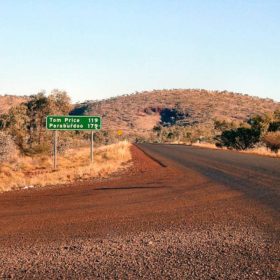
PXiSE will deploy its Active Control Technology to manage up to 50,000 distributed energy resources across Horizon Power’s 2.3 million square kilometre network, which it says will enable higher levels of renewable energy.
Eguana Technologies reports strong order book in SA
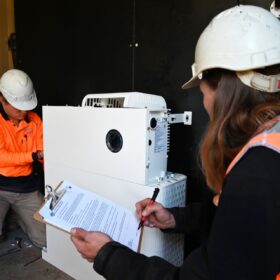
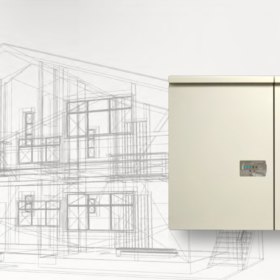
The Canadian battery manufacturer says its order book has crossed the $1.5 million mark in less than two weeks after joining the South Australian Home Battery Scheme.