Saturday read: Battery recycling and material uncertainty
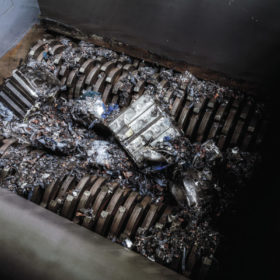
Lithium-ion batteries remain the front-runner to power EVs, but without clearer recycling plans from the European Union and the United States, the balance isn’t yet tipped away from heavy mining of new materials to focus on supplying industry needs, writes Ian Morse.
CEC concerned ESB reforms will erode investor confidence
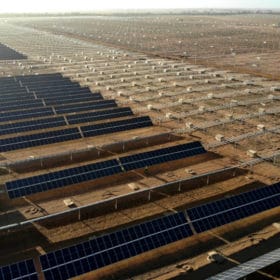
The Energy Security Board’s newly revealed market reforms have sparked widespread scrutiny with the Clean Energy Council declaring that among the recommendations are proposals that risk further undermining confidence in future investments in clean energy generation.
Solar industry pioneer pushes for National Transmission Network
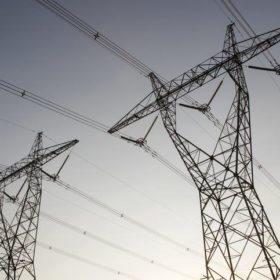
A parliamentary inquiry has been told Australia’s ageing transmission network “urgently” needs upgrading to deliver new solar PV and wind power to cities as the nation’s transition to renewable energy generation continues to accelerate.
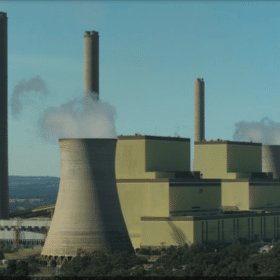
Secrecy and high level splits: ‘coal-keeper’ uproar but expert says politics won’t stop the inevitable
The Energy Security Board’s market reforms have come under fresh scrutiny after ministers met last week under a veil of secrecy, apparently stirring deep rifts between federal and state ministers and other stakeholders. While it remains unclear what the Board’s proposed capacity market, dubbed by some as ‘coal-keeper’, might look like, Dan Cass, who leads energy policy at the Australia Institute, told pv magazine Australia as long as Angus Taylor isn’t steering, he’s optimistic that state governments and the ESB could work towards a reasonable outcome.
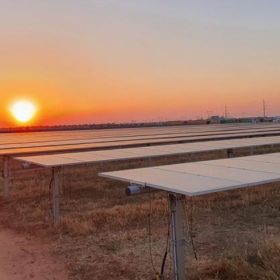
How Australia could save almost $7 billion on its energy transition
The risks posed to renewable-energy projects by Australia’s uncertain climate change policies and hamstrung regulators, have become a concerning brake on investment. Adjusting settings to reduce those risks would revitalise investor sentiment and vastly reduce the cost of implementing the country’s switch to renewables, says the Clean Energy Investor Group.
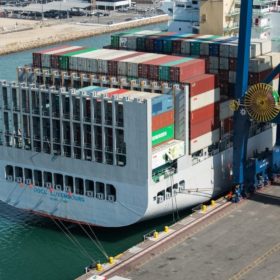
Solar modules are being detained by customs agents, reports suggest
An order issued in late June instructed customs agents to detain solar shipments containing silica-based products sourced from a Chinese firm and its subsidiaries. Three solar players may already have been impacted.
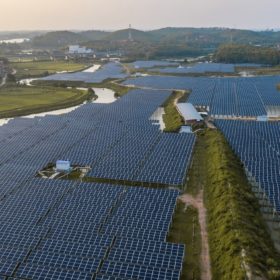
Corporate renewable PPAs are on the rise in Asia Pacific, says WoodMac
Corporate power purchase agreements are the second most adopted purchasing method in the world, and they’re growing fast. With the U.S. and Europe picking up the pace in the last year, the Asia Pacific is not going to be left behind, with Wood Mackenzie estimating corporate PPAs in the region doubled in the last year.
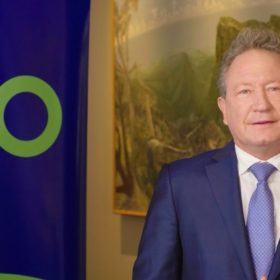
Twiggy Forrest’s green hydrogen ambitions will require renewables at 3x Australia’s total energy consumption
In a campaign style speech, Andrew ‘Twiggy’ Forrest, founder of Fortescue Metals and one of Australia’s richest men, outlined his ambition of producing mammoth quantities of green hydrogen, a task he sees as imperative to stop the “planet cooking” while also cornering a market he believes will soon be worth trillions.
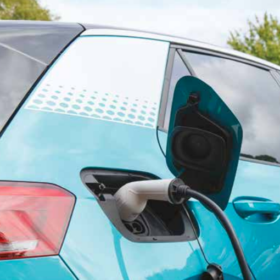
WA to install the country’s longest electric highway
Western Australia will install electric vehicle (EV) stations at 45 new locations, creating a fast charging network spanning more than 3,000kms.
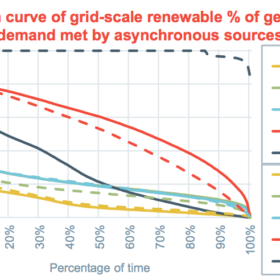
AEMO’s 2025 goal means that SA becomes the proving grounds
The latest news in the NEM is AEMO’s goal to be capable of handling periods of 100% instantaneous renewables penetration by 2025. This is a significant challenge and fitting given the pace the NEM is moving to
supporting increasingly higher levels of instantaneous (and increasingly asynchronous) renewables on a regular basis.