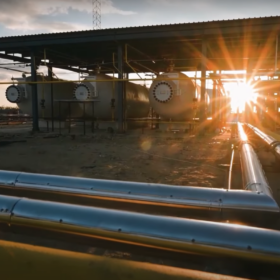
Australia tries to boost hydrogen competitiveness
Finance consultancy explains in a new report that the levelised cost of green hydrogen (LCOH) is well below USD 2/kg with subsidies. Using either PEM and alkaline electrolysers, green hydrogen normally has a lower levelised cost than pink hydrogen. Meanwhile, Australian authorities are trying to increase the competitiveness of the local hydrogen sector, and car companies are updating their fuel cell plans.
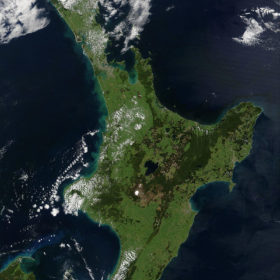
NZ to fast-track approval process for solar projects
New Zealand’s large-scale solar market is set to shift up a gear with the government announcing two new projects with a combined generation capacity of more than 500 GWh per annum have been referred for fast-track consenting.
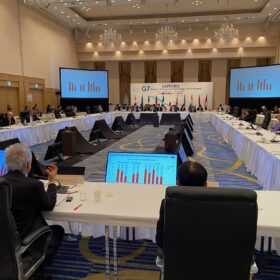
G7 targets 1 TW of solar to speed up renewable energy transition
Energy and environment ministers from the Group of Seven nations have announced new targets for solar power and offshore wind capacity after vowing to drastically increase renewable energy development and accelerate the phase out of “unabated” fossil fuel use.
Report warns of risks for Australia in global green hydrogen race
The federal government is increasing its investment in green hydrogen and low-emissions steel with $50 million in research and development funding to help progress the technologies as a new report warns that Australia must act quickly or risk being left behind in the race to become a renewable energy superpower.
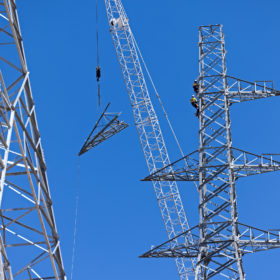
‘Monumental mistake’: experts alarmed by major NSW-Victoria interconnector plan
In a strongly-worded submission, two experts claim AEMO’s backbone interconnector proposed between Victoria and New South Wales is a “monumental mistake” and relies on analysis that is “biased, flawed and in parts dishonest.”

Zero solar export limits soon to be heavily restricted
The Australian Energy Regulator has handed down its final decision on when electricity networks are permitted to impose zero export limits on rooftop solar systems. The answer: almost never.
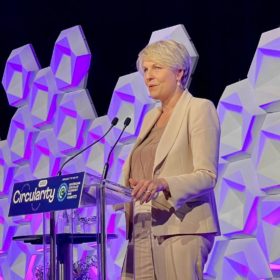
Australia’s approval of renewable projects has doubled, says Plibersek
Australia federal Labor government has approved 11 new renewable energy and transmission projects in since the election in May 2022. There are currently another 95 renewable projects under assessment.
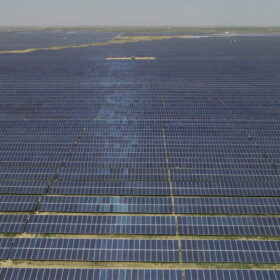
India to annually tender 50 GW of renewables over next five years
The structured bidding trajectory of India’s tenders will provide sufficient time for renewables developers to plan their finances, develop business plans, and manage the supply chain more efficiently, says Indian Power Minister R.K. Singh.
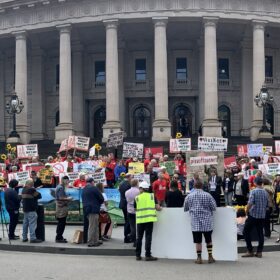
Weekend read: Renewables’ human hurdle
Community opposition to renewable projects tends to be dismissed as NIMBY-ism, an attitude of not-in-my-back-yard. To do so fails to recognise the character and potential claws of the globally growing movement, as well as the renewable sectors’ own role in rearing resentments. Australian reporter Bella Peacock investigates the emotional thread that ties the particularities of opposition movements together, and ways developers can defuse the charge.
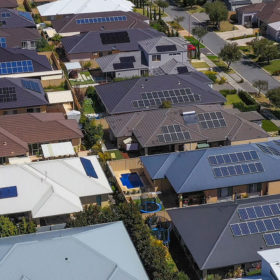
WA increases electricity supply for regional households after rule change wreaks havoc
Western Australia will now offer rural and metro-area residents in its main grid the same electricity supply. The move comes after a seemingly innocuous rule change saw regional customers unable to run their air conditioning at the same time as their cooktops – a drama pv magazine Australia first reported in July 2022 which led to sustained community pressure.