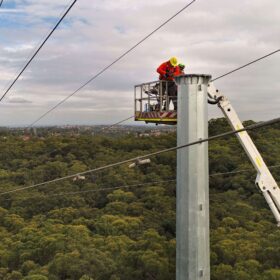
Clean energy gets thumbs up from renewable energy zone residents
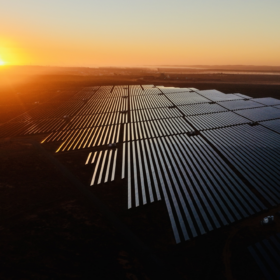
Results from a poll conducted by farmer-led advocacy organisation Farmers for Climate Action, show 63% of residents living in regional Renewable Energy Zones support the shift to clean energy, and just 17% oppose.
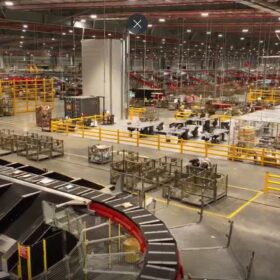
Australia Post sorts mega hub energy needs with 450 kW solar / 300 kWh BESS
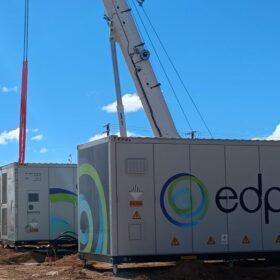
Australia Post has installed a 450 kW rooftop solar system and 300 kWh battery energy storage system at its largest air and speed parcel sorting hub at Brisbane Airport.
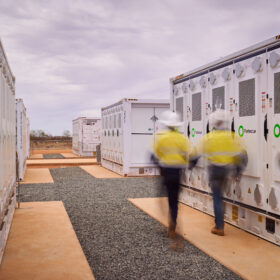
67.3 GW battery storage progresses through NEM connection process
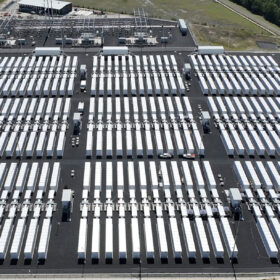
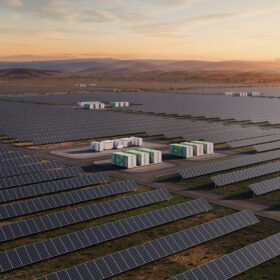
Utility scale batteries are maintaining a strong lead in the race for renewable energy pipeline growth, indicated by AEMO’s latest Connections Scorecard showing 67.3 GW of projects are progressing through the NEM connection process.

First Nations microgrids to share $11 million in ARENA funding
Two First Nations communities in the Northern Territory will share $11 million in ARENA funding that will enable the design, development and leadership of their own microgrid projects, and create a remote First Nations communities energy transition blueprint.
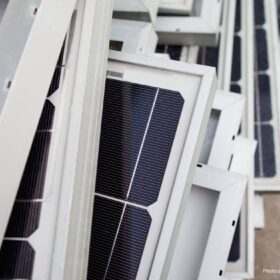
End-of-life solar panel circular economy research gets new $5 million home
Sydney researchers in partnership with industry have launched a solar panel recycling hub to improve solar panel waste circular economy technologies and resource extraction, adding another boost to Australia’s existing initiatives.
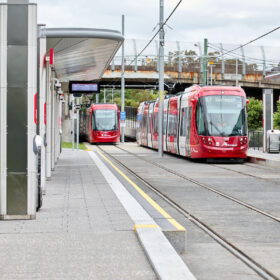
Transport for NSW inks $1.9 billion clean power deal with Snowy Energy
The New South Wales goverment has inked a seven year, $1.9 billion contract with federal government-owned Snowy Hydro retail arm Snowy Energy to power all public transport operations with renewable energy.
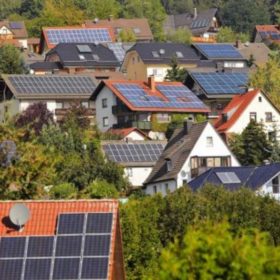
Australia’s home energy success could be a global model in the midst of the energy crisis
With a volatile global fuel and energy crisis continuing relentlessly, Australia holds a quiet but powerful advantage that provides cost-of-living energy relief to millions by allowing our cars and homes to run on sunshine instead of fossil fuels.
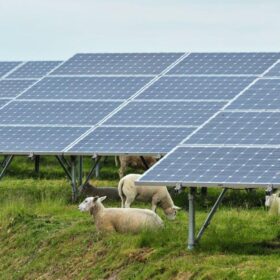
Agrivoltaics maintain or enhance forage quality, study finds
Researchers have analyzed the biomass and nutritional value of grasses and legumes for grazing dairy cattle, growing in agrivoltaics fields. The results showed that forage quality may be maintained or even enhanced in agrivoltaic environments.
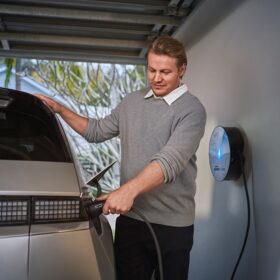
EVs with vehicle-to-home technology reduce need for large home batteries
Researchers from South and Western Australia have found electric vehicles equipped with vehicle-to-home technology can reduce the need for large home battery systems.
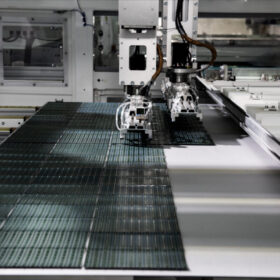
Resolving copper’s manufacturing barriers could break solar’s silver dependence
For decades, copper was the material the solar industry knew it needed but could not manufacture at scale. That barrier has been lifted. What follows matters for every rooftop, every supply chain, and every gigawatt the energy transition still requires.