Eastern stretch is target as TransGrid progresses EnergyConnect project
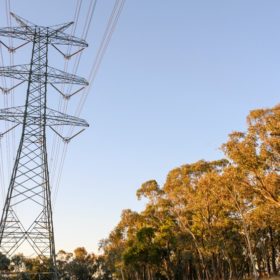
A proposed 900-kilometre electricity interconnector that will link power grids across three Australian states, unlocking gigawatts of new wind, solar PV and storage projects has progressed further with New South Wales network operator TransGrid confirming the Environmental Impact Statement for the project’s eastern section has been submitted.
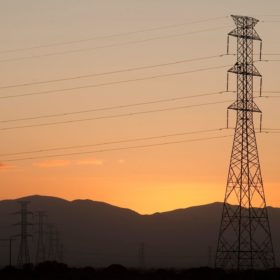
State government gives $2.3 billion transmission link tick of approval
Construction of a new $2.3 billion electricity interconnector that will link the South Australian and New South Wales energy networks is expected to commence early this year following the South Australian Government’s approval of the project’s Environmental Impact Statement.
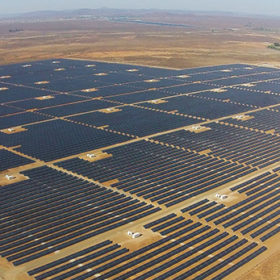
162MW Columboola Solar Farm successfully connects to network
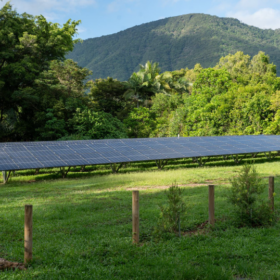
The 162MW (AC) Columboola Solar Farm in the Western Downs of Queensland between Chinchilla and Miles has been successfully connected to the transmission network. QLD government-owned CS Energy has agreed to purchase 100% of the solar farms approximately 440GWh of annual clean energy for the next 10 years.
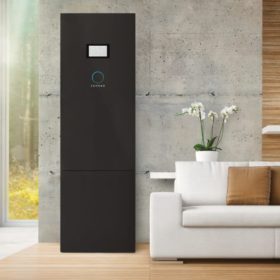
US scientists explore how to compensate battery owners for grid value
Current price signals to distributed battery owners “do not align with grid value,” says a study from the Lawrence Berkeley Laboratory.
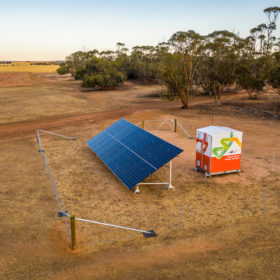
Farmers go off-grid as 19 solar-based standalone systems installed on WA’s southern coast
Western Australia’s state-owned electricity company Horizon Power has installed 19 solar + battery standalone power systems for farmers in Esperance on the state’s southern coast.
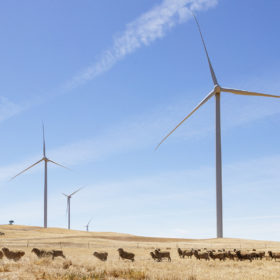
Neoen’s 204MW/34MWh Bulgana project points to co-located renewables future
French renewable developer IPP Neoen announced the completion of its Bulgana wind-plus-storage project in the Australian state of Victoria. Having now installed more than 650MW of large-scale solar, wind, and battery storage in the state, the developer has pointed to its “well balanced” renewable portfolio in Victoria including an additional 2GW of projects in the pipeline.

Marrying markets and physics – pushing the (dynamic) envelope of orchestration and VPPs
Virtual power plants have turned a corner in this country, SwitchDin founder, Andrew Mears tells pv magazine Australia. With the new technology now firmly established, we take a look at the new approaches to orchestration which will inform the next wave of distributed energy resources management.
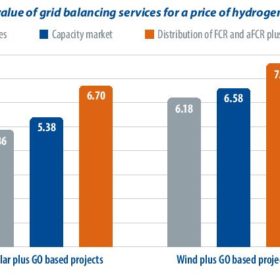
Sunday read: The new entrant to the energy sector
Green hydrogen can play a vital role in decarbonising the economy and enabling countries to reach net-zero emissions. The economics of producing green hydrogen from electrolysis are maturing as developers scramble to meet expected future demand. Everoze partner Nicolas Chouleur and Neoen hydrogen expert Sacha Lepoutre discuss a case study that shows how stacking different revenue streams could improve the economics of renewable energy projects.

Variability compounding complexity compounding risk: the state of play in the NEM today
Australia’s energy system was already a complex web, but it’s now transforming into the work of a labyrinth spider, which build tunnels so complicated and thick they look like white silk vortexes. You get the picture. Or you will from reading the Generator Insights 2021 report published today.

Grid software solution could more than double network capacity for renewables with no new infrastructure
With Scottish company Smarter Grid Solutions having already seen its software deployed in the U.K., a pilot project in New York State has been a resounding success for a grid solution the NREL has predicted could unlock swathes of network capacity without the need for new power lines.