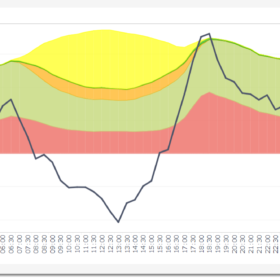
SA batteries paid to charge as solar sends electricity prices negative
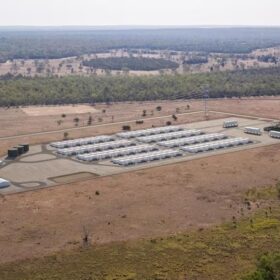
Batteries in South Australia have been paid to charge throughout September and October 2021 due to a record number of negative price intervals. Wholesale electricity prices were negative almost 40% of the time.
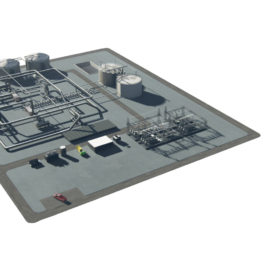
Partnership formed for molten salt long duration energy storage
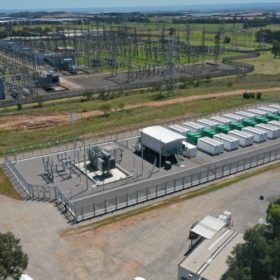
Malta announced a partnership with Betchel to deploy electro-thermal energy storage systems that are capable of durations of 10-150+ hours.
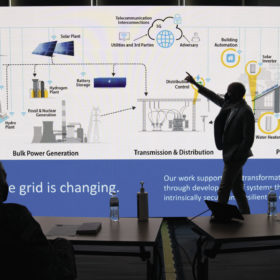
Sunday read: New consensus in cybersecurity
As power systems integrate more digital and inverter-based devices, the guidelines and technical standards for these resources are evolving, and none as quickly and urgently as cybersecurity standards. New approaches to cyber defence are now needed to protect more interconnected systems with diverse owners, manufacturers, and system architectures. However, current cybersecurity standards for energy devices are still patchy. Upcoming efforts are aimed at changing that, reports NREL’s Connor O’Neil.
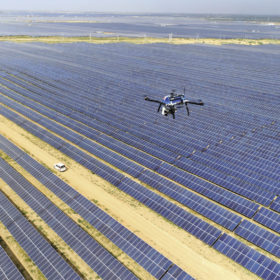
Saturday read: Getting smart about solar
As solar PV increases its share in the world’s energy mix, it is becoming increasingly clear how valuable the data gathered from renewable energy generators is in informing important decisions about operation, maintenance and grid integration. Yazeed Al Mousa examines the latest applications for artificial intelligence in PV project development and operation.

Commercial returns on VPPs ‘proven’ as expanded program adds more sophisticated features
Simply Energy on Thursday announced it will be extending its Virtual Power Plant program across the eastern seaboard and opening it up to five different battery brands. Simply Energy will continue its technology partnership with SwitchDin to do so, with Ryan Wavish, Simply’s General Manager, and Andrew Mears, CEO and founder of SwitchDin, telling pv magazine Australia they plan to introduce a whole range of new, more advanced features into the VPP as the relationship between the two companies evolves.

Western Australia launches $35 million ‘symphony’ of residential renewable assets
Western Australia has today announced the launch of its $35.5 million Virtual Power Plant trial, Project Symphony, which will examine the ways in which residents, utilities, and network operators can join forces to centrally orchestrate the output of rooftop solar, batteries and other distributed resources to best serve both customers and the grid at large.
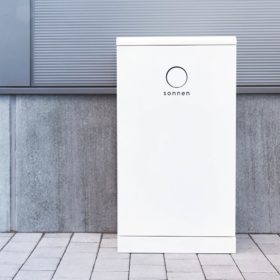
Sonnen launches residential battery specifically designed for Australia, marking shift in global strategy
German company sonnen, a wholly owned subsidiary of Shell, today launched a new residential battery storage system specifically developed for Australia and New Zealand. Chief Commercial Officer of sonnenGroup and Managing Director of sonnen Australia, Nathan Dunn, told pv magazine Australia its sonnenBatterie Evo is the culmination of a new approach and may go on to inform how its future products for global markets are developed.
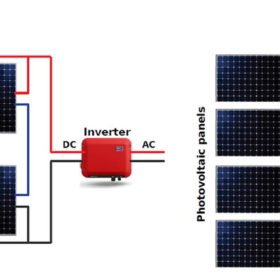
Micro-inverters vs. string inverters
A French research group has compared the performance ratio of 100 PV systems relying on micro-inverters with that of 100 installations relying on string/central inverters. It found the performance ratio is around 79% for both system typologies and that arrays with micro-inverters are more sensitive to environmental factors.
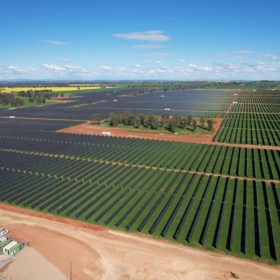
90 MW Sebastopol Solar Farm near Wagga Wagga reaches commissioning phase
Fotowatio Renewable Ventures Australia’s 90 MW (AC) solar farm outside Wagga Wagga, New South Wales, has reached the commissioning phase after less than a year of construction. Barring no obstacles, the project should start exporting solar energy to the grid in a matter of months.
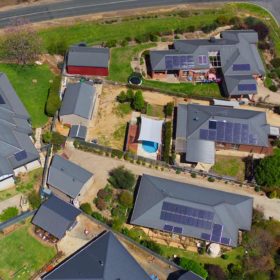
WA introduces remote solar switch off, following SA model
Western Australia has become the second state to give network operators the capacity to remotely switch off residential solar systems as an emergency grid stability mechanism.