Microgrid research project aims to help farmers and the network
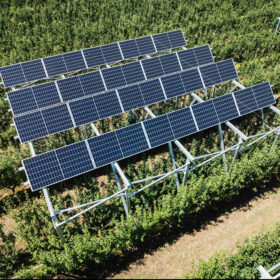
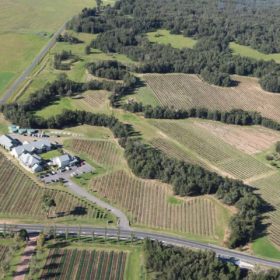
A microgrid research project taking place in four farming communities located in New South Wales and Queensland. Over 50 smart meters are collecting real-time energy data to determine models and microgrid solutions to help farmers struggling with high electricity bills, and to help the struggling network of energy infrastructure.
$11 million ARENA/Alcoa project to demonstrate efficient green alumina processing
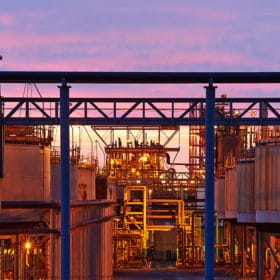
ARENA and green-thumb Angus Taylor have launched a project to demonstrate that renewable energy can be cost competitive compared to fossil-fuel use in the processing of alumina — providing an incentive for one of Australia’s biggest industries to adopt this technology and offer low-carbon alumina to the world market.
Discovered: Sandwich structure of quasi-2D perovskite film nourishes next-gen solar development
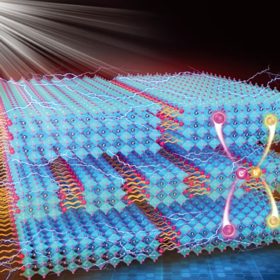
Even as solar researchers strive to squeeze every drop of efficiency from the industry-ruling silicon solar-cell technology, scientists are constantly questing for the next, cheaper, more efficient way of harvesting the sun’s energy to power human endeavours. The appetite for accelerating 2D perovskite solar cell development has just been piqued!
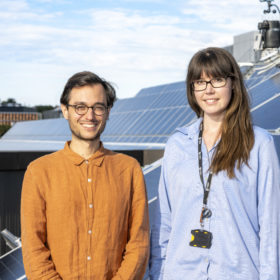
UNSW digs the data: How much solar energy is lost through automated inverter settings?
In a huge data-crunching project designed to inform rooftop solar-export policy and regulations, UNSW technical and social researchers delve into the costs and effectiveness of inverter standards.
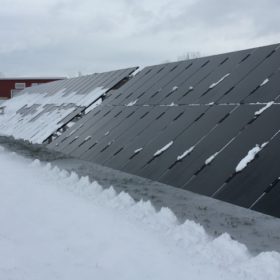
Going fission! How scientific enquiry by UNSW may push solar cell efficiency to 38.2%
Cross-pollination of scientific and engineering thought within the ARC Centre of Excellence for Exciton Science has led to promising findings on the the cool solar-cell efficiency-boosting mechanism known as singlet fission.
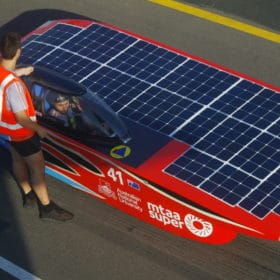
Australia’s only solar manufacturer helps students construct solar race car
Tindo Solar, Australia’s only solar panel manufacturer, has teamed up with a group of engineering students from the Australian National University to help them construct a solar race car.
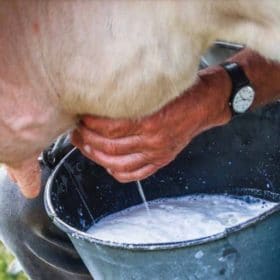
Land of milk and honey, Hycel set to work on hydrogen opportunities for dairy industry
It has been said that it is no use crying over spilt milk, and similarly there is no use crying over emissions already spilt by the dairy industry, there is only to curb those emissions and Deakin University’s Hycel Technology Hub is looking to do that for the dairy industries in both Australia and Uruguay.
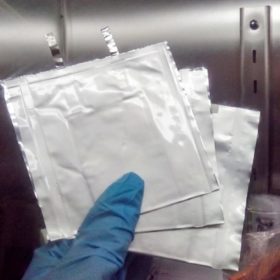
Researchers discover new method to make old lithium batteries new
Scientists investigating the aging mechanisms affecting today’s lithium-ion batteries observed that the loss of lithium over time is one of the main causes of performance loss. With this in mind, they developed and tested a “relithiation” process that promises to eliminate much of the cost and complexity from recycling battery components and materials.
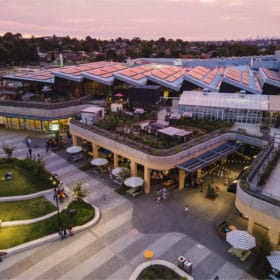
Changing the metrics of desirability: Melbourne’s Burwood Brickworks achieves momentous certification
The eastern suburbs of Melbourne are now home to the most certifiably sustainable shopping centre in the world. But to think of it only in those terms hardly does the project justice – rather, Melbourne is now home to a building which defies the limits of its own concept, imploring people to reconsider the value metrics through which space, cities and perhaps even lifestyles are appraised.
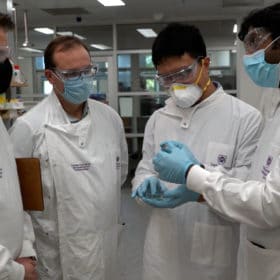
Brisbane-based tech firm and University of Queensland team up to transform energy storage
The ‘Graphene Revolution’ is drawing near in energy storage, the sector where it is arguably needed most. Univeristy of Queensland scientists who devised aluminium-ion batteries with graphene electrodes have teamed up with Brisbane-based Graphene Manufacturing Group to push the technology into the commercial prototype phase, a potentially early marker for a technology that could transform energy storage.