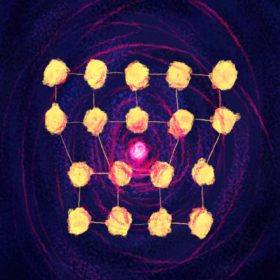
Researchers discover how hydrogen causes embrittlement of steels
University of Sydney researchers have found evidence of how hydrogen causes embrittlement of steels, the discovery that can potentially pave the way to hydrogen-fueled future. The groundbreaking research also reveled a technique to address this challenge.
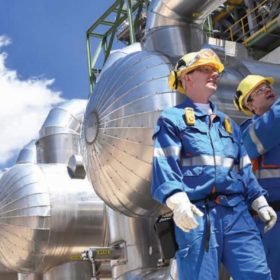
WA Govt set to fund seven renewable hydrogen feasibility studies
The WA Government has allocated funding from its Renewable Hydrogen Fund toward seven feasibility studies that could pave the way for significant renewable hydrogen projects around the state.
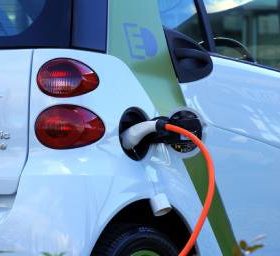
Researchers develop Intelligent Charger to make EV charging a two-way street
Researchers at Sydney’s Macquarie University have developed a multi-functional device that can be easily installed in any EV to alleviate energy anxiety in the vehicle and the household. The Intelligent Charger could be the necessary bridge in the transition to EVs.
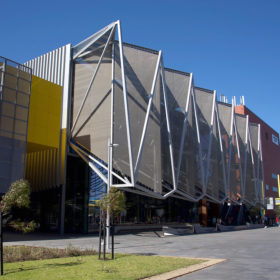
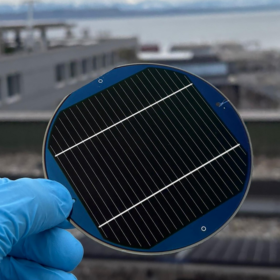
New lithium-sulfur battery unveiled by Aussie scientists
Scientists at Monash University claim to have developed the world’s most efficient lithium-sulfur battery. They say the new device could enable an electric vehicle to drive more than 1,000km on a single charge.
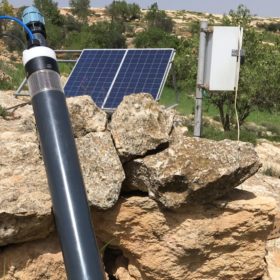
A solar-powered irrigation pump with pay-as-you-go option
Comet-ME has developed a solar-powered submersible borehole piston pump for off-grid communities and smallholders to use for irrigation and domestic purposes. The device, compatible with PV systems from 300-900 W in size, can pump water from 45m with as little as 50 W of continuous solar power.
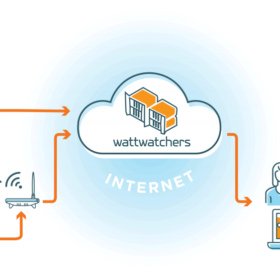
ARENA funds Wattwatchers toward more consumer empowerment
The Australian Renewable Energy Agency (ARENA) is set to fund Australian energy technology company Wattwatchers to the tune of $2.7 million. The funding will aid the development of a consumer-facing energy data hub, ‘My Energy Marketplace,’ another step forward in consumer energy empowerment.
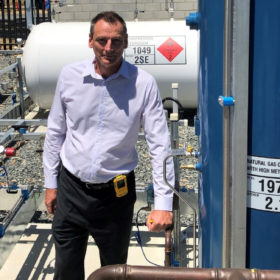
ATCO begins blending green hydrogen into gas network
The Clean Energy Innovation Hub has hit a major milestone as ATCO started testing blending renewable hydrogen into the on-site natural gas network in Jandakot.
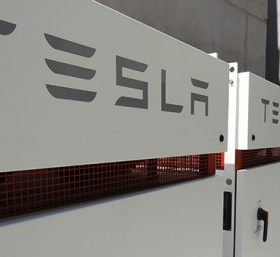
A Study in Storage, University of Queensland turns on its Tesla Powerpack
The University of Queensland (UQ) is well known for its renewable solar power generation, from its Warwick Solar Farm to the extensive solar PV arrays on UQ campuses. Now UQ can store its solar power too, with one of Queensland’s largest behind-the-meter battery storage systems.

Power Ledger enables solar P2P trading in new Perth development
Peer-to-peer energy trading (P2P), the signature of Power Ledger and already a recognised Australian digital export, is set to be installed into nine apartments in Perth’s eastern suburbs. The development’s integration with smart energy trading technology will allow the space to share a solar PV system and SENEC battery.
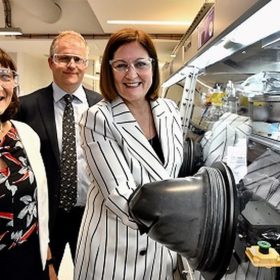
Hi-tech energy storage center opens at Deakin University
The new StorEnergy centre – supported with a $4.4 million Federal Government grant – will produce battery materials on a commercial scale and seek to increase knowledge and develop innovative solutions for Australia’s energy needs.