NSW network provider steps up standalone power system plans
Standalone power systems utilising solar PV and battery technology continue to gain traction in the Australian market with New South Wales Government-owned network service provider Essential Energy announcing it will seek input from customers living at the “edge of the grid” as it seeks to expand its roll out of the off-grid technology.
Ratch gets green light for 70 MW solar farm in Victorian coal country
Thai-owned Ratch Australia has revealed plans to develop a 70 MW solar PV and large-scale battery energy storage project in the heart of Victoria’s coal country after receiving planning approval from the state government for the $105 million Morwell Solar Farm.
Investors submit 34 GW of wind, solar and storage for NSW renewable zone
Renewable energy investors’ appetite for large-scale development in Australia appears far from sated with the New South Wales Government revealing almost 50 new solar PV, wind and energy storage projects, totalling more than 34 GW, have been proposed for the South-West Renewable Energy Zone.
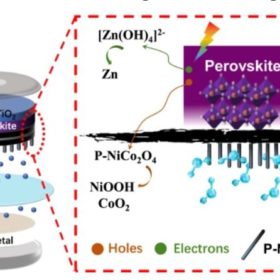
PV-powered rechargeable aqueous zinc battery
Conceived by scientists in China, the device combines an integrated carbon-based perovskite solar cell module with a rechargeable aqueous zinc metal cell. The proposed system achieved an overall efficiency of 6.4%, and a steady operation for more than 200 cycles with little performance degradation.
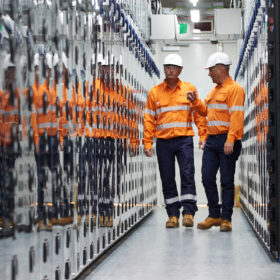
Western Power switches on Australia’s largest microgrid
The Western Australian coastal town of Kalbarri can now be powered by an entirely renewable energy solution utilising rooftop solar and wind generation coupled with battery storage with state government-owned utility Western Power confirming the state’s largest renewable energy microgrid has been commissioned.
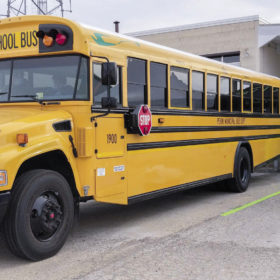
Sunday read: V2G driving grid changes
The uptake of EVs in the years ahead will add up to staggering battery capacity, mostly sitting idle on driveways. The two-way flow of electricity from EV batteries, known as vehicle to grid, could not only enable power systems to rely on intermittent renewables, but could also be the trump card for network operators to respond to grid disturbances. However, there are still a few catches to be worked out, as Marija Maisch explains.

Saturday read: the actual, real demand for green hydrogen
Green hydrogen is being proposed for an ever-wider variety of uses. While some of these are still a way off, others make little sense. But there are sectors where demand for green hydrogen is a reality today, writes Christian Roselund.
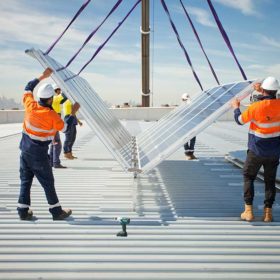
Poll reveals clean industries key to future prosperity in coal heartlands
The majority of voters in Australia’s historical coal and gas heartlands of New South Wales and Queensland believe the states’ future economic prosperity lies in clean industries, including renewable energy manufacturing and exports, and mining for critical battery minerals.

Cricket captain targets climate change with rooftop solar program
Australian Test cricket captain Pat Cummins is spearheading a campaign to have cricket clubs around the nation install solar PV systems in a bid to reduce carbon emissions, declaring it is time for the sport to do its bit to tackle climate change.
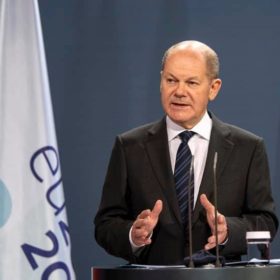
New German leader proposes ‘climate club’ that would punish free riders like Australia
Germany has announced plans for a new climate alliance between the world’s advanced economies, in a move that promises to transform international climate action.