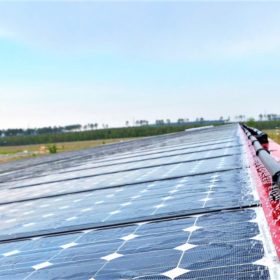
Methods to cool PV modules reviewed in new paper
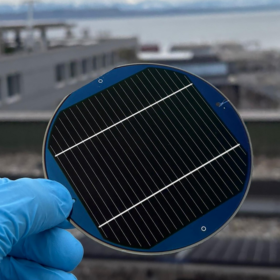
An international research team has analyzed all existing cooling technologies for PV panels and has indicated the current best options and future trends of research. According to its findings, active water cooling, although expensive and not particularly practical, is the most effective cooling technique while passive cooling systems, despite being easy to apply, have still limited possibilities.
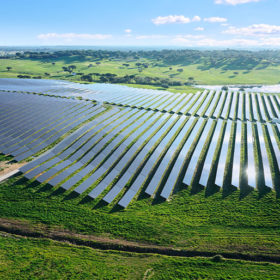
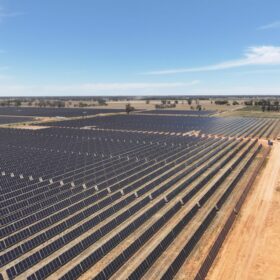
Australia’s largest solar farm goes ahead after Neoen completes financing
The 460 MW Western Downs Green Power Hub is set to commence construction imminently, after Neoen achieved financial close on the project. The solar farm is set to be Australia’s largest, and indeed the largest in Neoen’s global portfolio, generating enough solar energy to power every home on the Sunshine Coast.
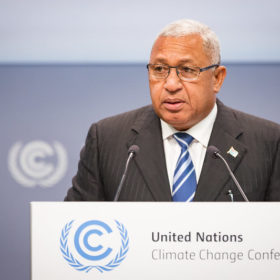
Fiji plans ‘Pacific’s largest solar project’
The island nation has agreed a deal with the World Bank’s International Finance Corporation to develop at least 15 MW of generation capacity in a US$15 million project.
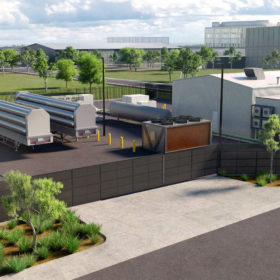
On the way to a new gas-led recovery: Hydrogen Park South Australia signs first commercial offtaker
BOC will compress green hydrogen produced at newer than new HyP SA, which taps the state’s currently over-abundant solar generation, and deliver it to industrial customers in South Australia and Western Australia. The arrangement is expected to seed a foundation market for the carbon-free product and demonstrate its viability.

CEP.Energy’s $1 billion C&I rooftop rollout
Never heard of CEP.Energy? The new green energy fund is set to become a renewable powerhouse, installing gigawatts of solar, plus batteries big and small across industrial estates and retail centres around the NEM. Institutional investors are making this virtual-power-plant vision a reality.
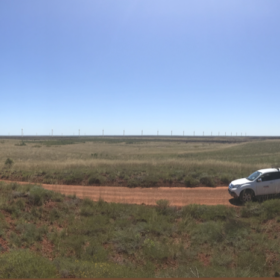
$50 Billion green hydrogen hub gets Federal Government guernsey
The 26 GW Asian Renewable Energy Hub proposed for the Pilbara last week gained Major Project Status, and with it Federal Government support in streamlining ongoing approvals to commencement of construction in 2026.
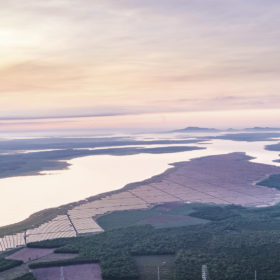
Weekend read: Vietnam’s most ambitious array
Could a single installation define a brief but explosive period of ambitious PV deployment? The massive 500 MW Dau Tieng solar array – among Southeast Asia’s largest PV installations – makes a strong case for being the most impressive project of Vietnam’s recent solar boom. But the allure of Dau Tieng is about much more than size – it’s about what’s beneath the PV modules.
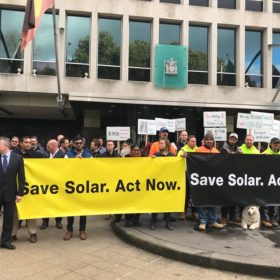
Melbourne solar installers back to work as Covid-19 restrictions ease
Rooftop solar installation figures in Victoria have plunged dramatically in recent months but an easing of Covid-19 restrictions has provided a welcome boost for the state’s small-scale solar installers.

CEC slams AEMC transmission access reform proposal
The Clean Energy Council (CEC) has taken aim at the Australian Energy Market Commission’s (AEMC) transmission access reform proposal, declaring it will raise costs and stifle investment.
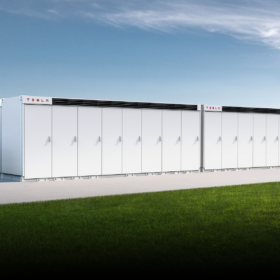
NSW to get first ‘big battery’ with ARENA backing
Transgrid is on track to deliver improved reliability and stability to the New South Wales electricity networkafter securing federal and state government funding to install a $61.9 million big battery at its Wallgrove substation in western Sydney.