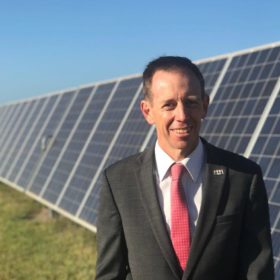
Australian Capital Territory announces grant recipients for battery storage rollout
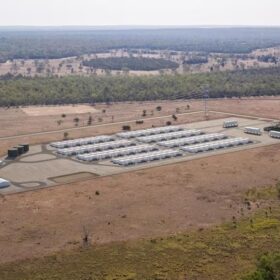
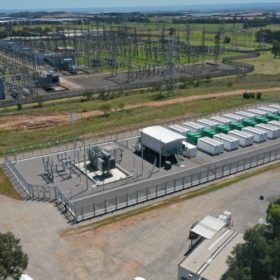
The grant recipients for the fourth phase of the Next Generation Energy Storage program have been announced. Launched in 2016, the $25 million program is supporting the roll out of up to 36 MW of smart battery storage.
SolarEdge posts strong revenue increase, slight drop in net profit
The Israeli inverter manufacturer saw its net profit decline 4% year-on-year to $33.1 million in the second quarter, despite shipping 1.3 GW and seeing a 43% increase in turnover. Gross margins were affected by the increase in U.S. tariffs on China made products.

Indigo joins growing list of councils taking part in Local Government PPA
In addition to joining the host of councils around Australia to declare a climate change emergency and set targets for a 100% renewable future, Victoria’s Indigo Shire Council voted early this week to achieve that goal by taking part in a collaborative Victorian Local Government PPA.

Energy retailers protest wholesale demand response mechanism
Energy companies are pushing back against a proposal to allow large energy consumers to enter the wholesale electricity market, as industry bodies point to the many benefits of the wholesale demand response program.
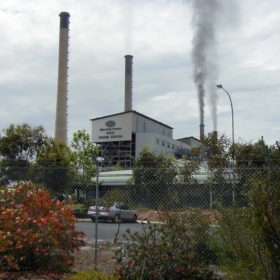
WA coal generator undercut by rooftop solar boom
Western Australia’s government has announced two units at Synergy’s Muja Power Station will be retired from October 2022. The state government said the coal-fired units were only being used about 35% of the time thanks largely to rooftop solar reducing demand on the grid.

Kennedy solar-wind-battery park switched on following grid connection delay
Australian renewables developer Windlab has connected and energized its landmark energy park in north Queensland, comprising 43 MW of wind, 18 MW of solar and a 4 MWh battery.

Empowering consumers: Wattwatchers aims to harness data to make PV pay
Wattwatchers provides consumers with real-time electricity data that allows them to tailor their electricity use to make best use of their rooftop solar power. Consumer rights to energy data is crucial to a successful future grid with high penetration of DER, says Wattwatchers’ MD Gavin Dietz.
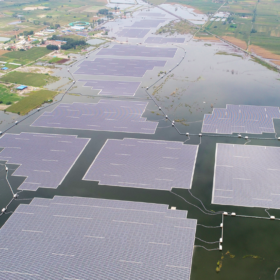
More floating PV for Thailand
French floating PV specialist Ciel & Terre is teaming up with SCG, an Asian petrochemical company, to develop floating solar plants at hydroelectric dams in Thailand.
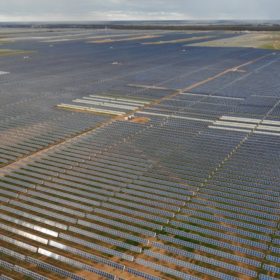
255 MW Sunraysia Solar Farm nears completion
UNSW Sydney has excitedly announced the near completion of the Sunraysia Solar Farm in Balranald, NSW. With the project set to be operational by the end of the year, and with 25% of the solar farm’s generation to be purchased by UNSW, the university is set to run on 100% renewable energy from 2020.
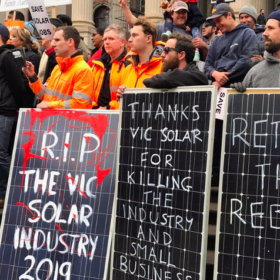
Victorian protests over solar rebate woes to continue this week
The Smart Energy Council has announced plans for a second rally to warn against the current Solar Homes scheme’s damaging effect on Victoria’s solar industry. This time, the protest will target Premier Daniel Andrews’ office.