Macquarie provides capital for 11 GW Pilbara renewable energy hub
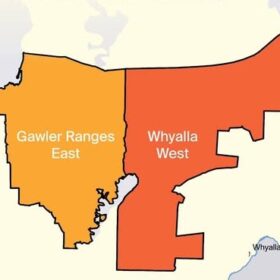
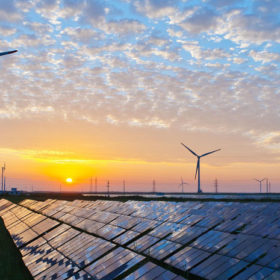
The Asian Renewable Energy Hub’s generation capacity has been boosted from 9 GW to 11 GW, as Macquarie Group has pledged to invest in the project that aims to export power to South East Asia, as well as supply big miners and green hydrogen projects in the Pilbara region, Western Australia.
Frost & Sullivan forecasts strong 2018 for solar, despite China’s policy setback
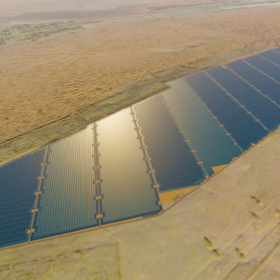
A new report published by business consultants Frost & Sullivan expects around 90 GW of new solar installations by the end of 2018, in line with the predictions of other leading analysts. It further notes that PV remains the world leader in renewable energy capacity, and that markets are moving away from feed-in tariffs to make increasing use of auction models and private PPAs.
Big crowds as All Energy kicks off with major announcements
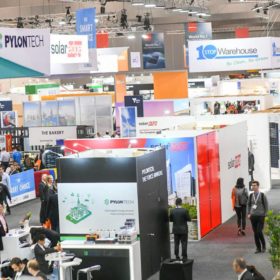
The All-Energy Australia 2018 exhibition & conference kicked off in Melbourne today. Safety of products and quality assurance was prominent in discussions at the country’s largest PV conference and trade show in its early hours. Big funding announcements at the opening plenary made headlines.
Interview: Three million modules covered by new validation scheme
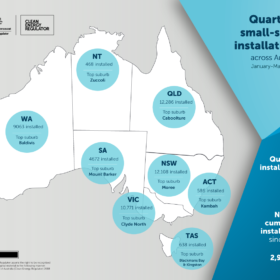
The Clean Energy Regulator says that around half of the six million modules expected to be installed on Australian rooftops this year will be covered by its new Solar Panel Validation scheme. The agency’s General Manager of the SRES program Michelle Crosbie spoke to pv magazine Australia about the program and the “full suite” of tools at the regulator’s disposal when it comes to compliance under the SRES.
Victoria overtakes Queensland in renewables jobs boom
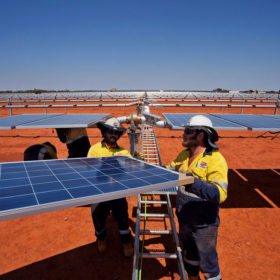
Owing to its state-based renewable energy initiatives, Victoria is in the box seat to create more than 6,000 jobs annually, shows a new analysis released by Green Energy Markets. Overall, renewable energy generation managed to exceed 25% of power supply for the first time across Australia’s main grids.
Project delays damage solar’s reputation
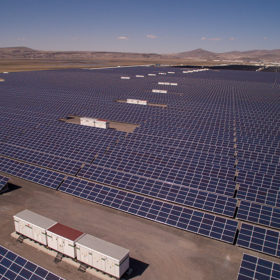
With the first Quality Roundtable Australia set to kick off tomorrow at All Energy, Aaron Zadeh, Product Marketing Manager – Utility Solar at ABB sets out how advanced project simulation monitoring can avoid costly issues before they become a problem.
“Eyes now of NSW” as states move on solar, storage
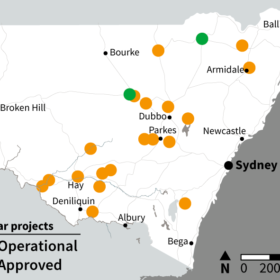
With the latest Green Energy Markets’ figures revealing that Victoria’s large scale renewables boom is creating 6000 jobs, pressure in mounting on New South Wales to support solar and wind. With a state election looming, the state government may move.
Solar Panel Validation initiative rolls out
Developed in partnership between the Clean Energy Regulator and the solar industry, the initiative is looking to ensure genuine solar panels are mounted across Australia, against the backdrop of booming rooftop installation rates and mounting pressure on installers. Michelle Crosbie, Managing Director, Clean Energy Regulator, will be at pv magazine’s Quality Roundtable at the All Energy Australia show tomorrow in Melbourne to deliver further details on the scheme.
Elon Musk to step down as Tesla chair
Under the terms of a settlement with the Securities and Exchange Commission (SEC), Musk will be ineligible to serve as chair for three years. The deal also involves a $40 million penalty and structural changes at Tesla.
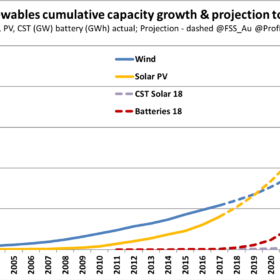
The least wrong – rapid change in the energy station difficult to predict
While much has been made of the ‘trilemma’ facing the Australia electricity network, Ray Wills from Future Smart Strategies argues that rapid change of energy technology, business models and social changes is resulting in rapid and difficult-to-predict changes.