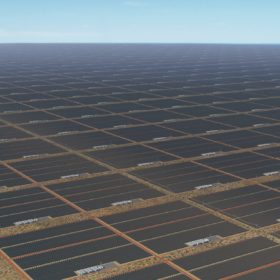
Full extent of Sun Cable megaproject revealed
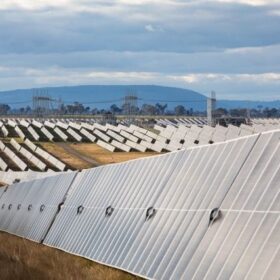
Singapore-based Sun Cable has submitted its Environmental Impact Statement to the Northern Territory Environment Protection Authority. The document reveals the full extent of the project’s enormity, specifically a 17-20 GW solar farm tied to 36-42 GWh of battery energy storage, which is set to be transmitted by subsea cables to Singapore.
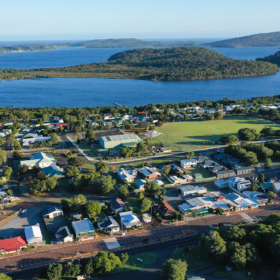
WA town to be powered by pumped-hydro microgrid
The town of Walpole on Western Australia’s southernmost tip will soon be powered by a pumped-hydro microgrid, a first for the state which is already renowned for its rollout of microgrids and distributed renewable solutions.
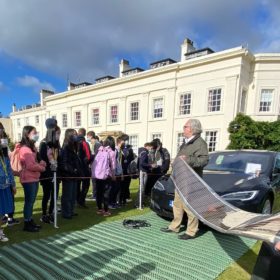
Printed solar panels developed in Newcastle to power Tesla’s journey around Australia
Commercially printed solar cell technology developed by the University of Newcastle is being put to the test to power an electric vehicle’s 15,097 kilometre journey around the entire coastline of Australia.
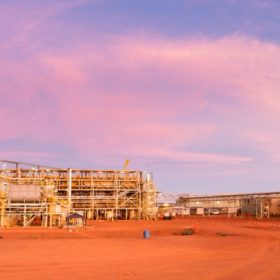
Construction begins on Lynas’ rare earths refinery in Western Australia
In the second piece of rare earths news this month, construction has begun on Lynas Rare Earths’ new processing facility in Kalgoorlie. The refined products are used in batteries and other renewable technology, with Lynas moving the processing it currently does in Malaysia onshore for the first time.
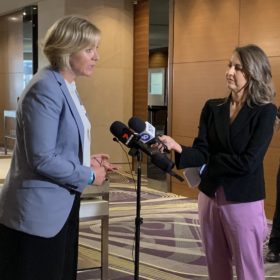
Renewable industries ‘way too quiet’
Compared to fossil fuels, the renewable industries’ lobbying is weak and the sector does not advocate for itself with enough force, Independent MP Zali Steggall said yesterday.

10 solutions to Australia’s foreign fuel dependence
Over 90% of Australia’s fuel is imported – something recent geopolitical events have illustrated is a serious vulnerability. This issue was the focus of an emergency fuel security summit held yesterday in Sydney. The event was attended by a number of industry leaders and independent members and candidates who put forward solutions to tackle the devolving situation.
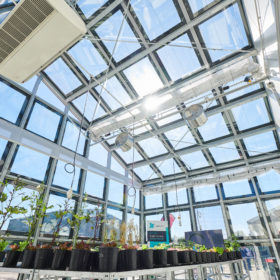
Solar greenhouse trials perform better than expected, proving commerciality company says
The results from solar glass company ClearVue’s greenhouse trials at Murdoch University have found the company’s product performed better than predicted overall, demonstrating both strong power generation and thermal value.
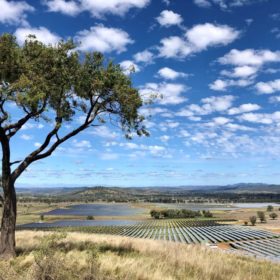
Lightsource bp proposes 400 MW solar farm south of Goulburn
Lightsource bp’s ambitious solar capacity target of 25 GW by 2025 is driving significant expansion of its Australian portfolio, including its most recent proposal of the 400 MW Gundary Solar Farm south of Goulburn, NSW.

European Commission could call in Australian investor Macquarie’s bid for French developer
Australia’s Macquarie is leading a consortium that has reportedly tabled a €2.5 billion ($3.65 billion) bid for a clean energy business formed by French private equity houses InfraVia and Eurazeo.
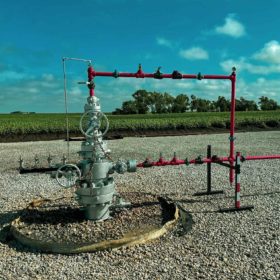
Natural hydrogen: how the potential wellspring works and why companies are pouncing
With its promise of cheap, easy ‘god molecules’ flowing inexhaustibly from the ground, it’s no wonder natural hydrogen is piquing interest. Sometimes referred to as ‘gold’ or ‘white’ hydrogen, Avon McIntyre, executive director of HyTerra, an Australian company in the space, told pv magazine Australia natural hydrogen projects should have smaller carbon footprints than sprawling green hydrogen plays and, moreover, would be ready quicker. Enticing as it sounds, unknowns remain.