Australia’s National Hydrogen Strategy adopted, funds for new projects allocated
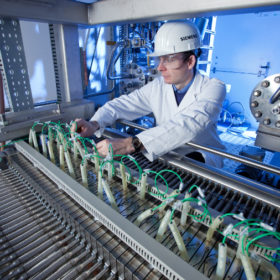
State and federal energy ministers have given a tick of approval to the National Hydrogen Strategy prepared by chief scientist Alan Finkel and voiced support for a $370 million fund for green hydrogen projects. Against high expectations of the country’s hydrogen export potential, a report finds that Australia has overhyped the potential demand for hydrogen exports by a factor of up to 11.
Let’s Talk Losses
Last week two things happened related to rule changes on losses. The AEMC released a draft determination, rejecting the proposal to move to Average Loss Factors (ALF). They also held a working group for COGATI which proposes dynamic marginal loss factors.
NSW’s first renewable energy zone to unlock 3 GW of new generation
Under the Electricity Strategy released on Friday, the NSW Government has unveiled a plan to deliver Australia’s first coordinated Renewable Energy Zone in the Central-West, seeking to support the new generation needed to get energy bills down. The administration has also pledged to give NSW one of the world’s highest reliability targets to cope with the changing electricity mix and unexpected generator outages.
Part 5: WA experiences rooftop disruption beyond the NEM, ACT shines
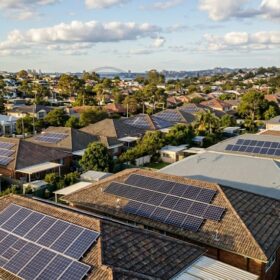
In late September, Western Australia’s government-owned electric utility registered an approximate AUD 657 million ($442.8 million) loss – much of it attributed to asset and contract writedowns. However, the utility was quick to blame rooftop PV for eating into its revenues, while fixed costs remained unchanged or increased. Revenues for the utility were down 4.7% for the year, to AUD 2.8 billion.
EY calls on COAG Council for major capital injection into AEMO
Ernst & Young Australia (EY) are calling for a significant capital injection into the Australian Energy Market Operator (AEMO) at this week’s COAG Energy Council meeting. EY wants to expand AEMO’s powers toward fixing the nation’s embattled energy grid.

Solar Victoria establishes promised conduit of industry and consumer feedback
As part of the Andrews Government’s compromise with solar industry protestors after the initial dog’s breakfast of a Solar Homes program, Solar Victoria has established the Industry and Consumer Reference Group (ICRG).
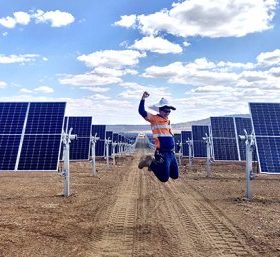
UQ’s Warwick Solar Farm wins coveted green award
The University of Queensland’s Warwick Solar Farm has won a coveted green award as the unique project nears completion.
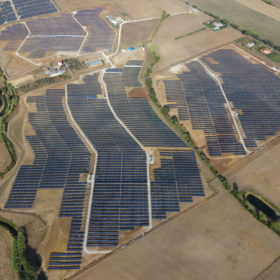
Octopus Renewables aims to raise funds for clean energy projects in Europe and Australia
The renewables investment arm of Octopus Group is seeking to raise up to £250 million ($475 million) through a major initial public offering for investment in onshore wind and solar assets in Europe and Australia. It aims to invest in already operating, in construction and construction-ready assets.
Enough ambition (and hydrogen) could get Australia to 200% renewable energy
The possibilities presented by hydrogen are the subject of excited discussion across the world – and across Australia’s political divide, notoriously at war over energy policy.
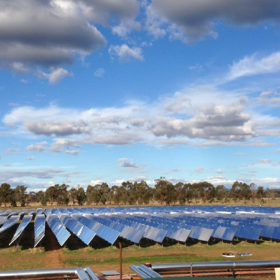
Genex Power gets debt financing nod for two solar projects
The Sydney-based developer has received credit approval to fund two of its solar projects. The announcement comes only days after Genex resumed trading on the Australian stock exchange in the wake of the Northern Australian Infrastructure Fund’s decision to extend offer of funding for the 250 MW Kidston pumped storage hydro project.