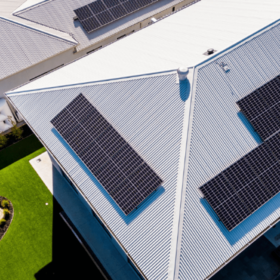
Rooftop solar delivers generation milestone in NEM
The rooftop solar juggernaut shows no signs of slowing in Australia with an unprecedented contribution from household PV systems delivering a string of new records in the National Electricity Market to close out 2023.
Free home solar and battery rollout begins with Diamond partnership – here’s how NRN’s value model works
Australian startup NRN is rolling out its proposition to fit households with solar and batteries at no cost to consumers. Announcing its partnership with retailer Diamond Energy and the completion of a $13.5 million (USD 9.18 million) capital raise, the company believes it’s found the trick to successfully deploying free household renewables by focussing on retailer value. Pv magazine Australia spoke to NRN and experts about how exactly the model works and where the value comes from.
Neoen gives go-ahead for second largest solar farm in global portfolio
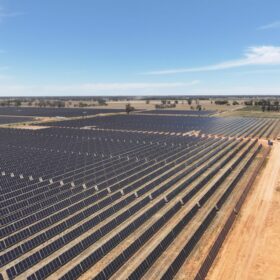
The Australian arm of French renewables player Neoen is set to start the construction of its largest solar farm in New South Wales – and the second biggest in its global portfolio – pressing go on the 350 MW Culcairn Solar Farm being developed in the state’s south.
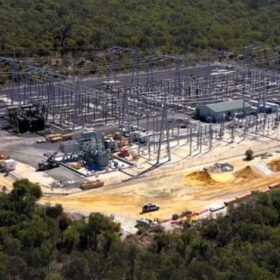
Western Power starts works to improve SWIS capacity
Western Australia utility Western Power has commenced the rollout of a $28 million (USD 19 million) works package to manage the capacity of key distribution feeders in the state’s main electricity network and unlock new renewable energy generation opportunities.
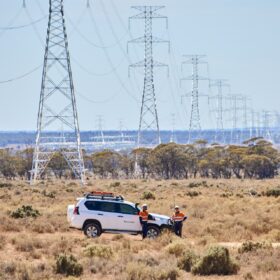
ElectraNet completes SA stretch of EnergyConnect
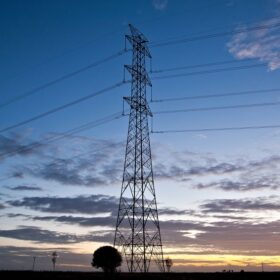
ElectraNet has announced the successful completion of the South Australian component of Project EnergyConnect, the new high-voltage transmission line between South Australia and New South Wales, marking a significant milestone in Australia’s renewable energy landscape.
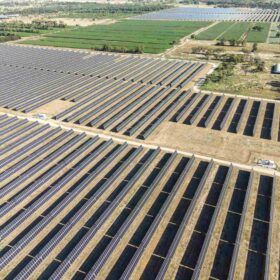
Cohuna solar plant resumes operations after Energy Safe shutdown
Renewables developer Enel Green Power Australia has confirmed that its 27 MW Cohuna Solar Farm in northern Victoria has resumed partial operations after being forced to shut down following a grassfire at the site last month.
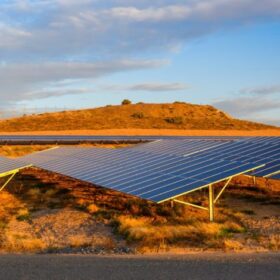
GenCost confirms solar, wind remain cheapest forms of energy
The latest estimates of electricity generation costs in Australia reveal that solar and wind power remain the cheapest form of energy, even after the expense of integrating them into the grid is factored in.
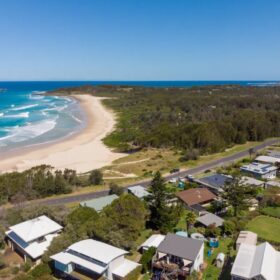
Endeavour powers up NSW first community microgrid
New South Wales electricity distributor Endeavour Energy has flicked the switch on the state’s first community microgrid with the rooftop solar and battery energy storage system helping to provide power certainty for the South Coast communities of Bawley Point and Kioloa.

3.5 GW of green hydrogen projects make Headstart shortlist
Six green hydrogen projects with a total electrolyser capacity of more 3.5 GW have been shortlisted for the Australian government’s $2 billion (USD 1.35 billion) Hydrogen Headstart initiative that is intended to support the development of 1 GW of electrolyser capacity by 2030 through two to three “flagship” projects.
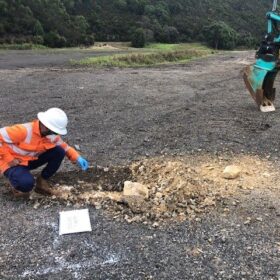
Regulator provides tick of approval for Marinus Link early works spend
The Marinus Link power cable to be built between Victoria and Tasmania is a step closer to reality after the Australian Energy Regulator approved the project’s first revenue proposal, marking the planned early works spend as “prudent and efficient.”