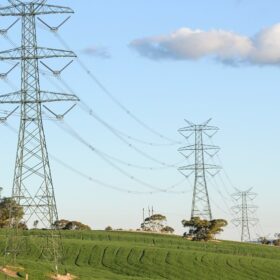
VNI West Project could delay the retirement of coal generators
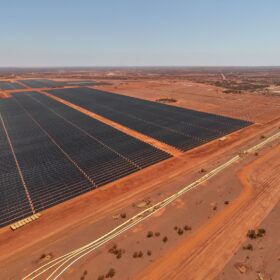
Analysis conducted by Cornwall Insight Australia reveals that certain coal plants in New South Wales may benefit from delaying their retirement, following the release of new plans for the VNI West transmission project.
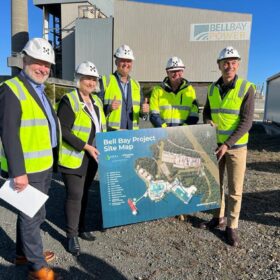
Tasmania site secured for 240 MW green hydrogen project
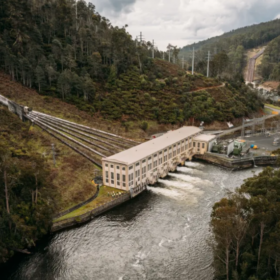
Australian hydrogen developer Abel Energy and Spanish energy group Iberdrola are pushing ahead with plans to deliver a 240 MW green hydrogen and green methanol production facility in Tasmania, inking a deal to secure a site for the $1.2 billion (USD 79 million) project.
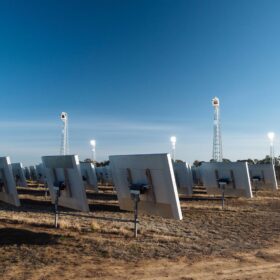
Vast announces key contracts for 288 MWh solar thermal project
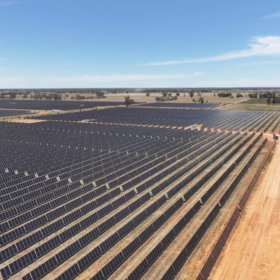
Construction of Australia’s first commercial-scale concentrated solar power plant is on track to begin next year with developer Vast appointing American Australian engineering company Worley to help deliver a 30 MW/288 MWh facility planned for South Australia.
Using electric water heaters to store renewable energy could do the work of 2 million home batteries
Australia’s energy transition is well under way. Some 3 million households have rooftop solar and sales of medium-sized electric cars are surging. But as we work towards fully electric households powered by renewable energy, have we overlooked a key enabling technology, the humble electric water heater?
Queensland looks to legislate 80% renewable energy by 2035
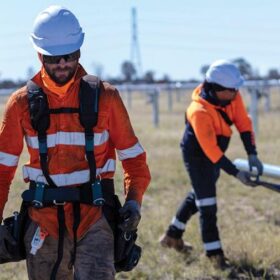
Queensland has laid out an ambitious vision for the state’s energy future, releasing draft legislation that calls for an additional 22 GW of new wind and solar projects by 2035, supported by at least 12 GW of storage, firming and dispatchable technologies including grid-scale batteries and pumped hydro storage.
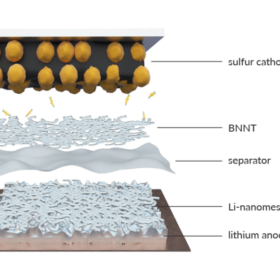
Australian startup reveals 20-layer battery cell based on semi-solid li-sulfur technology
Brisbane-based Li-S Energy has developed a 20-layer battery cell utilising semi-solid state lithium sulfur battery technology. The company claims the new cell displays nearly double the gravimetric energy density and a comparable volumetric energy density to lithium-ion cells.
ElectraNet plots $2 billion transmission spend to support demand growth
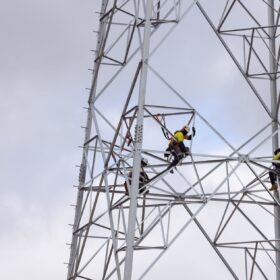
South Australia’s electricity transmission network operator ElectraNet has outlined a $2 billion-plus (USD 1.3 billion) pipeline of transmission projects as it seeks to keep pace with a “rapid” energy transformation that could lead to a doubling of the state’s electricity usage by the end of the decade.
AGL eyes solar panel ‘remanufacture’ facility for Victoria site
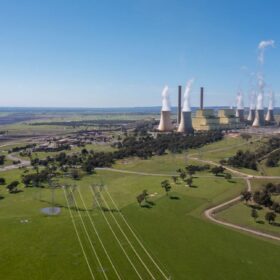
Australian energy major AGL is pushing ahead with plans to transform its Loy Yang power station site in Victoria into a clean energy industrial hub, announcing it has signed a deal with Solar Recovery Corporation to explore the feasibility of establishing a PV panel recycling facility at the site.
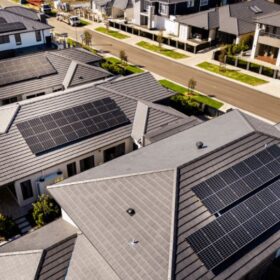
Solar leads way with renewables on course to shatter deployment records
Large-scale and rooftop solar installations are expected to contribute a record 286 GW of new generation capacity this year with renewable energy on course to shatter global deployment records in 2023.
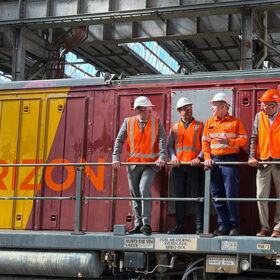
Rail operator eyes Australian first with battery-electric retrofit
Australia’s largest rail freight operator Aurizon has contracted Progress Rail to convert one of its diesel locomotives to full battery electric operation, paving the way for the greening of its freight-haul rail fleet.