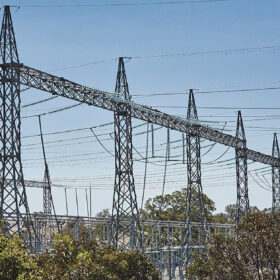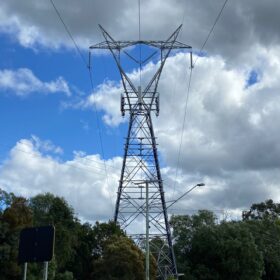
Coordination looms as next challenge for Australia’s energy transition
Australia and New Zealand’s electricity networks are entering a new phase of the energy transition. For more than a decade the focus has been on building renewable generation and connecting it to the grid. That effort continues, and it will remain essential. But for many network operators the harder task now lies elsewhere: managing how an increasingly complex system works together.
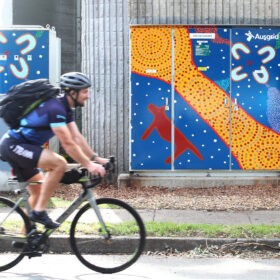
Facilitating DER/CER in Australia’s two-way energy system: report
The Australian Energy Regulator has released its third annual export services network performance report on facilitating consumer energy resources in Australia’s two-way energy system.
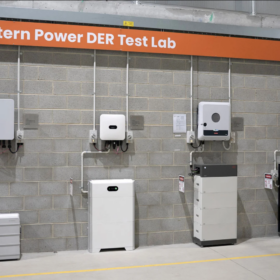
Distributed energy resources test lab opens in Western Australia
Western Power has launched Western Australia’s first distributed energy resources text lab at it’s South Metro Depot to trial how rooftop solar, batteries, electric vehicles and smart appliances can connect, communicate and interact.
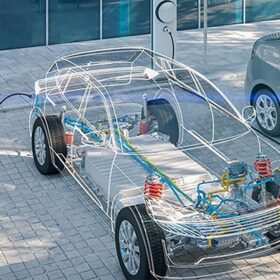
Charge ahead: Designing V2G systems to transform EVs into grid-enhancing powerhouses
Electric vehicle sales and renewable energy production are on the rise globally. The United States alone added 5.8 million light-duty electric vehicles to its roads as of 2023, leading the US Department of Energy to predict that electricity demand for EV charging could increase overall US electricity consumption by 20-50% by 2050.
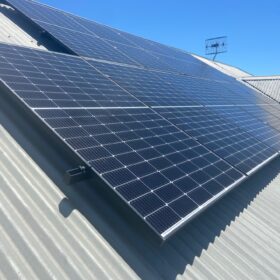
Consumer energy resources get top priority in AEMO’s FY2026 plan
AEMO will prioritise consumer energy resources integration over the coming financial year, and is part of 29 actions being prioritised for the energy transition as outlined in its Engineering Roadmap FY2026 Priority Actions report.
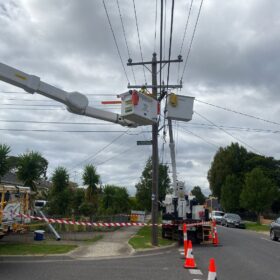
Smart data unlocks solutions for network challenges
As Australia’s distribution network service providers grapple with challenges sparked by the rise of distributed energy resources, EA Technology says leveraging insights from grid-edge intelligence can unleash the full potential of their networks.
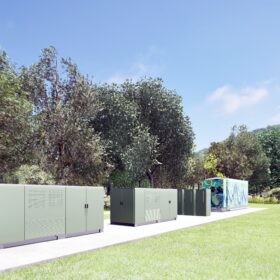
Ergon plans ‘Queensland first’ microgrid in state’s far north
Queensland government-owned utility Ergon Energy has announced it will build the state’s first network-connected microgrid as it investigates how to best utilise distributed energy resources, such as rooftop solar, and improve the reliability of electricity supply in edge-of-grid communities.
Gridsight to power up grid orchestration platform
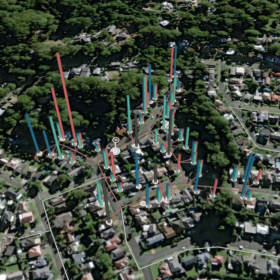
Wollongong-based software company Gridsight has raised $7.5 million to support the growth of its AI-powered platform that is designed to help electricity network operators integrate and maximise the use of new distributed renewable energy resources such as solar and batteries.
Virtual power plants in energy market from 2026 to bring cost benefits: report
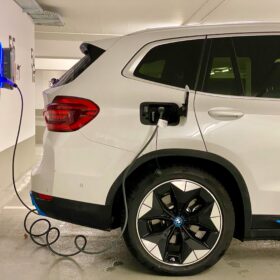
Following the Australian Energy Market Commission’s (AEMCs) final determination in December 2024 allowing virtual power plants to compete directly with large-scale generators in the energy market, technology company GridBeyond has reported the broader market benefits of this significant change.
Planets align for Australia’s first live DER integration into wholesale markets
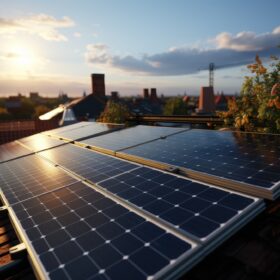
Manager of Western Australia’s South West Interconnected System Western Power has been allocated $20.8 million from the Australian Renewable Energy Agency for its Project Jupiter, which for the first time in Australia will integrate a live distributed energy resources marketplace with wholesale markets.