CEFC warns more needed after record investment in renewables
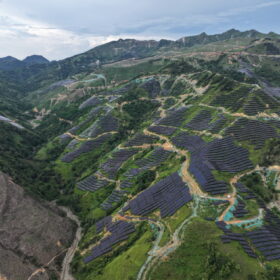
The Australian government’s green bank has invested a record $1.2 billion (USD 770 million) in large-scale renewables projects in the past financial year but has warned “a lot more” needs to be done to reach 82% renewables by 2030.
Cimic subsidiary snaps up 250 MW Queensland solar project
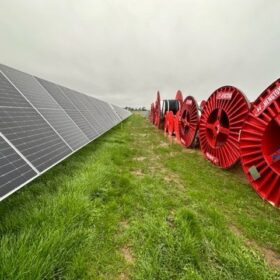
Cimic Group subsidiary Pacific Partnerships has added a second large-scale solar project to its portfolio having purchased the development rights for the 250 MW Hopeland Solar Farm planned for southwest Queensland.
China plans recycling system for wind turbines, solar panels
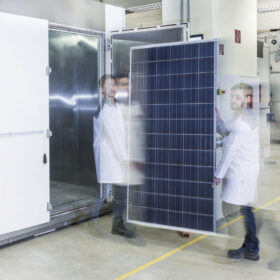
China will introduce technical standards and policies for the wind and solar industries to recycle their decommissioned equipment by 2030.
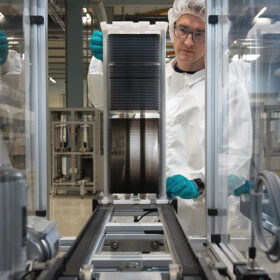
Weekend Read: Mapping a path to tandem commercialisation
Chris Case, chief technology officer for Oxford PV, recently spoke with pv magazine about the U.K.-based company’s new 28.6%-efficient, commercial-sized, tandem solar cell, its U.S. subsidiary, and plans for the future.
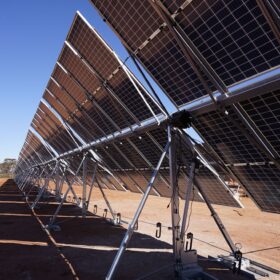
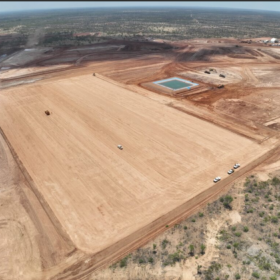
Cambridge completes Australian first install of modular solar solution
Prefabricated solar that integrates single-axis tracking technology has been deployed in Australia for the first time with United Kingdom-headquartered Cambridge Energy announcing a 2.3 MW system has been successfully installed at a mine site in Western Australia.
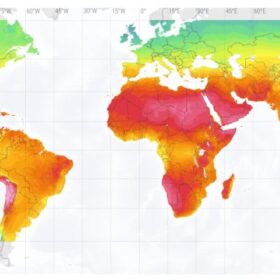
Study claims PV industry is neglecting overirradiance issues
Overirradiance conditions may affect the operating performance of photovoltaic plants, the stability of the electrical grid, and the efficiency of inverters. A research team has warned these effects are currently not being given proper consideration by the solar industry.
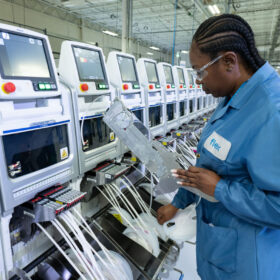
Over 155 GW of U.S. solar manufacturing announced in one year
The United States has begun to reshore its energy supply chain one year after the passage of the Inflation Reduction Act.

Genex reaches construction milestone on 2 GWh pumped hydro project
The first pumped hydro energy storage project to be delivered in Australia in 40 years is on track for energisation in 2024 with developer Genex Power announcing that the Kidston pumped hydro project is now more than halfway through construction.
Atmos adds 112 MW solar farm to renewables portfolio
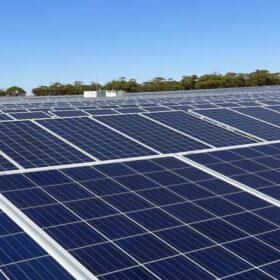
Australian clean energy outfit Atmos Renewables has acquired the 112.5 MW Karadoc Solar Farm in northwest Victoria after striking a deal with German-headquartered renewable energy developer BayWa r.e..
Mitigating residential duck curve via solar pre-cooling
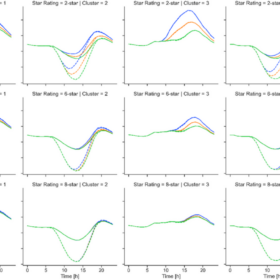
Solar pre-cooling consists of using residential PV systems to run air conditioners to pre-cool residential and commercial buildings. It offers benefits in terms of mitigating low minimum demand in electricity networks, flattening the grid’s net demand profile, and reducing electricity bills.