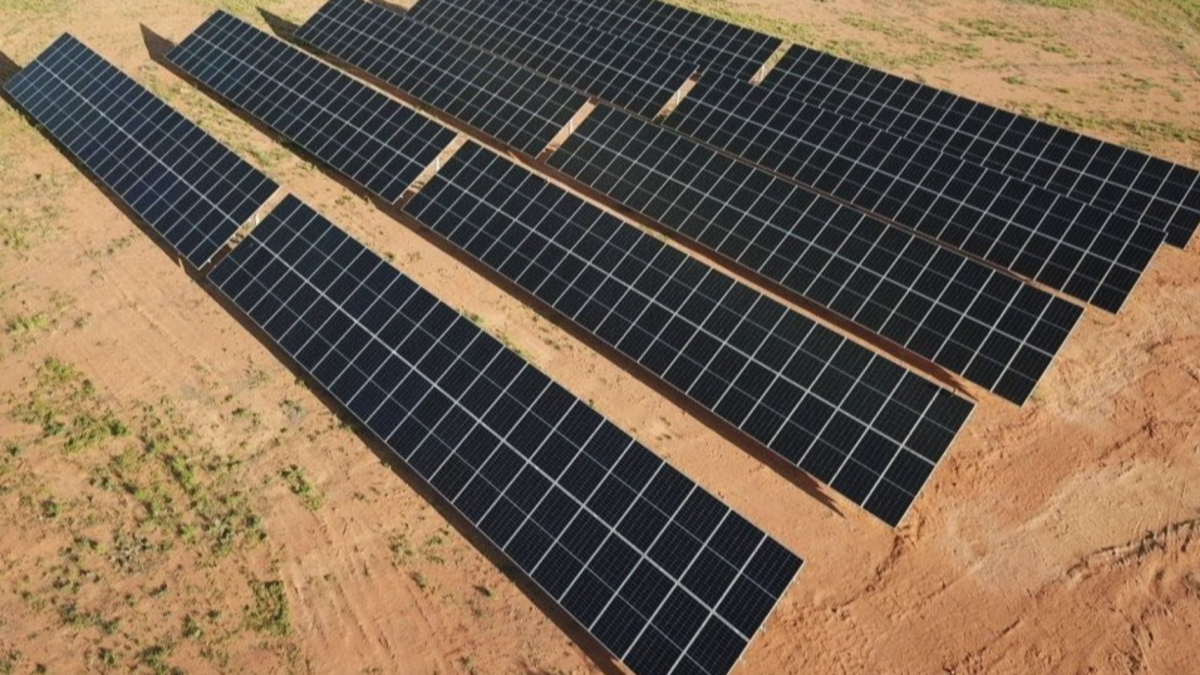





South Australian (SA) renewable energy systems installer MyEnergy Engineering has been awarded 2025 project of the year over $1 million (USD 660,000) for it’s 200 kW / 280 kWh microgrid located in the state’s most remote town of William Creek on the famous Oodnadatta Track.
Located 166 kilometres east of Coober Pedy and 823 kilometres northwest of Adelaide, the William Creek off grid hybrid power system project goal was to supply the town’s energy requirements sustainably and efficiently.
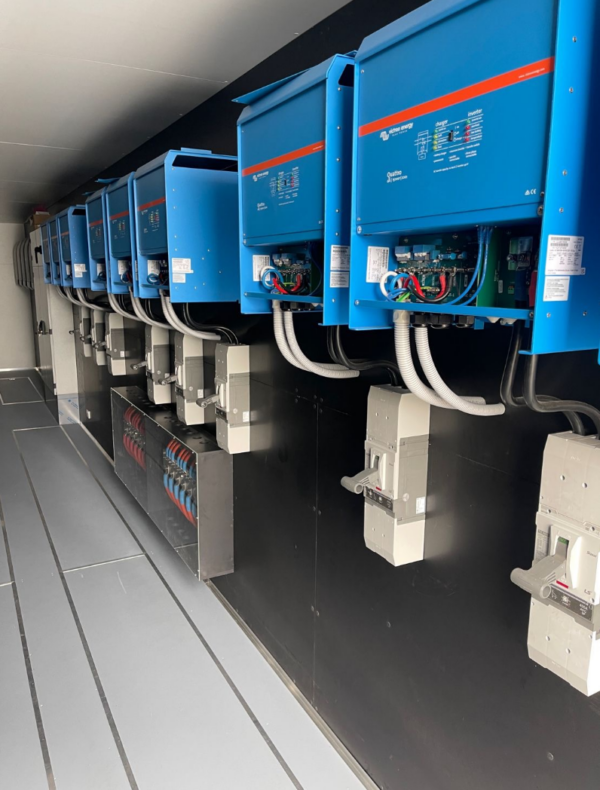
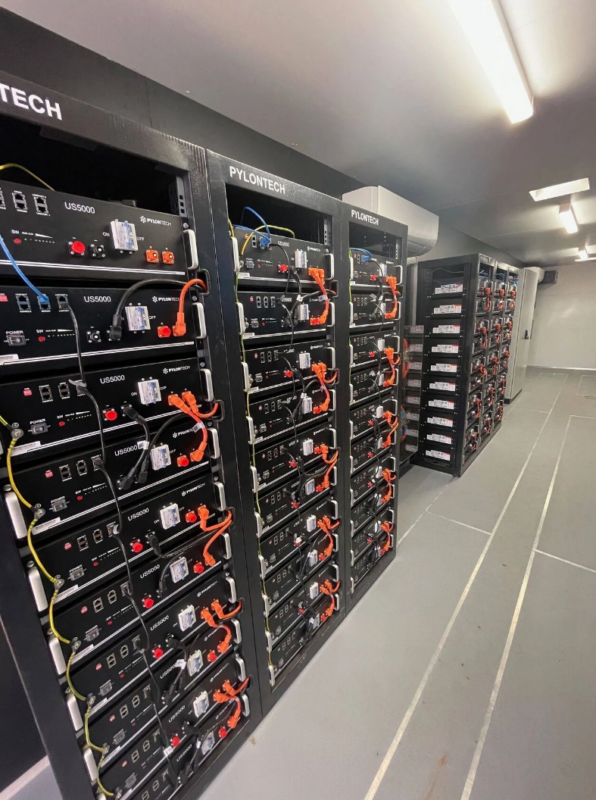
System design and components include 200 kW of Trinasolar modules, Pylontech batteries, 135 kVa Victron Energy Quattro inverters, with the solution’s DC coupling comprising Victron 450/200 Smart Solar chargers and AC coupling using Fronius International ECO inverters.
MyEnergy Engineering
MyEnergy Engineering Chief Executive Officer Ciaram Granger told pv magazine the project presented extreme logistical and environmental challenges.
“It’s one of the most remote towns in Australia with no grid access, harsh heat, and heavy dust exposure,” Granger said.
“The system had to provide continuous power for the entire township including accommodation, fuel supply, and essential services.”
Granger listed engineering barriers as thermal management inside a sealed containerised system, long DC cable runs across variable terrain, and ensuring generator integration could support irregular load patterns.
“To overcome this, we implemented a Victron-based hybrid microgrid (200 kW PV / 280 kWh lithium / 135 kVA inverter capacity) with fully redundant inverter clusters, a custom DC busbar system for high-current distribution, and air-conditioned enclosures maintaining internal ambient below 28 °C even when external temps exceed 48 °C,” Granger said.
MyEnergy Engineering
The installation also includes modular wiring for hot-swappable battery racks and scalable expansion.
Custom load-shedding logic, generator control sequencing, and telemetry aggregation are provided by advanced system control using Node-RED layered on top of Victron’s Venus OS.
Integration between Venus OS (Modbus TCP / MQTT) and Fronius PV inverters allows the site to run in multiple operational modes (solar-priority, load-following, or generator-supplement).
Start/stop events based on real-time SOC, load trends, and temperature are also triggered by automated genset logic developed in Node-RED, optimising runtime and fuel efficiency.

MyEnergy Engineering
Granger said the project was effectively a blueprint for remote microgrids — designed, fabricated, and commissioned entirely by MyEnergy’s in-house team.
“It’s monitored remotely through VPN-secured data links and has been running autonomously since commissioning with near-zero unplanned outages,” Granger said.
The project was awarded the 2025 Master Electricians Australia State Excellence Awards Project of the Year over $1 million.
This content is protected by copyright and may not be reused. If you want to cooperate with us and would like to reuse some of our content, please contact: editors@pv-magazine.com.




1 comment
By submitting this form you agree to pv magazine using your data for the purposes of publishing your comment.
Your personal data will only be disclosed or otherwise transmitted to third parties for the purposes of spam filtering or if this is necessary for technical maintenance of the website. Any other transfer to third parties will not take place unless this is justified on the basis of applicable data protection regulations or if pv magazine is legally obliged to do so.
You may revoke this consent at any time with effect for the future, in which case your personal data will be deleted immediately. Otherwise, your data will be deleted if pv magazine has processed your request or the purpose of data storage is fulfilled.
Further information on data privacy can be found in our Data Protection Policy.