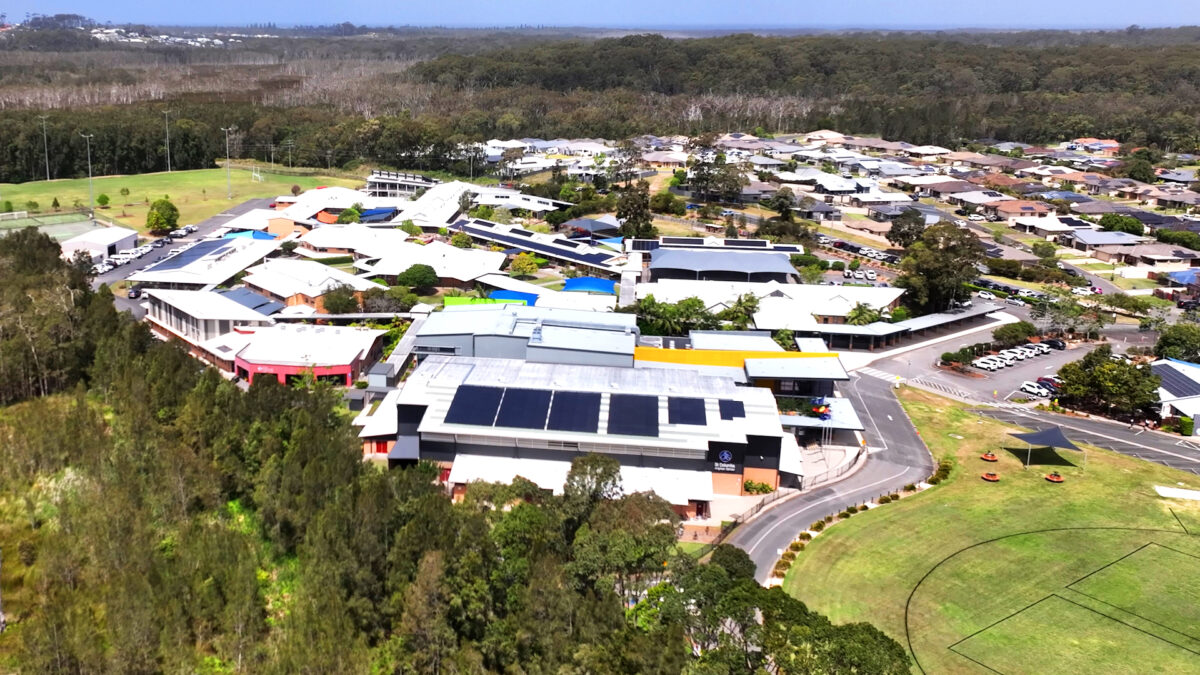





Chinese PV inverter and energy storage technology manufacturer Sungrow has teamed with Port Macquarie-based installer MNC Solar Power to deliver a rooftop solar solution that enables smart energy distribution across the Saint Columba Anglican School (SCAP) campus without any data cable connection.
The newly installedsolar solution features a 310 kW rooftop solar installation comprising 708 Canadian Solar 440 W panels integrated with three Sungrow SG110CX-P2 inverters. The system replaces an older 100 kW PV system.
Sungrow Technical Service Manager Young Zhao said the upgraded system employs a logger-based wireless cascading technology with the inverters connected via the school’s existing wireless network, enabling “intelligent load sharing across multiple buildings without the distance limitations or complexity of traditional cabling.”
“For this site we have applied the Modbus TCP (transmission control protocol) via the local network,” he said.
“Previously the distance would be a very significant factor but now, our breakthrough is that without any data cable connection, all the master and slave inverters and the loggers connect with the local network and talk with each other.”
MNC Solar Power owner Dean Galvin said the system architecture allows solar generation to be dynamically balanced across distribution boards throughout the school, maximising self-consumption and reducing grid reliance.
“What that means is the solar generated here will be evenly distributed throughout the school and the excess power will feed back to the main switchboard and then branch out from there to all the other buildings on site,” he said.
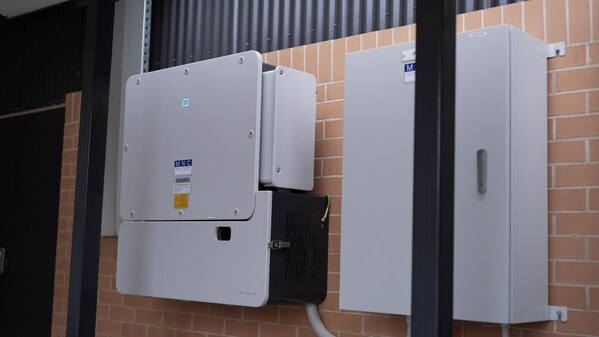
Image: Sungrow
Aside from system flexibility, SCAP Business Manager Steve Mitchell said the upgrade also provides the school with real-time energy monitoring through Sungrow’s iSolarCloud platform.
“We’ve now got data at our fingertips. We can log into the dashboard and see how much electricity the panels are generating, what we’re consuming, and what’s being exported to the grid,” he said.
Mitchell said the new system enables the school to improve energy efficiency and reduce electricity costs, with an estimated payback period of approximately four years.
“We’ll be able to offset the upfront capital costs within around four years,” he said. “That means ongoing savings for the school, which helps take pressure off our operating expenses.”
This content is protected by copyright and may not be reused. If you want to cooperate with us and would like to reuse some of our content, please contact: editors@pv-magazine.com.








1 comment
By submitting this form you agree to pv magazine using your data for the purposes of publishing your comment.
Your personal data will only be disclosed or otherwise transmitted to third parties for the purposes of spam filtering or if this is necessary for technical maintenance of the website. Any other transfer to third parties will not take place unless this is justified on the basis of applicable data protection regulations or if pv magazine is legally obliged to do so.
You may revoke this consent at any time with effect for the future, in which case your personal data will be deleted immediately. Otherwise, your data will be deleted if pv magazine has processed your request or the purpose of data storage is fulfilled.
Further information on data privacy can be found in our Data Protection Policy.