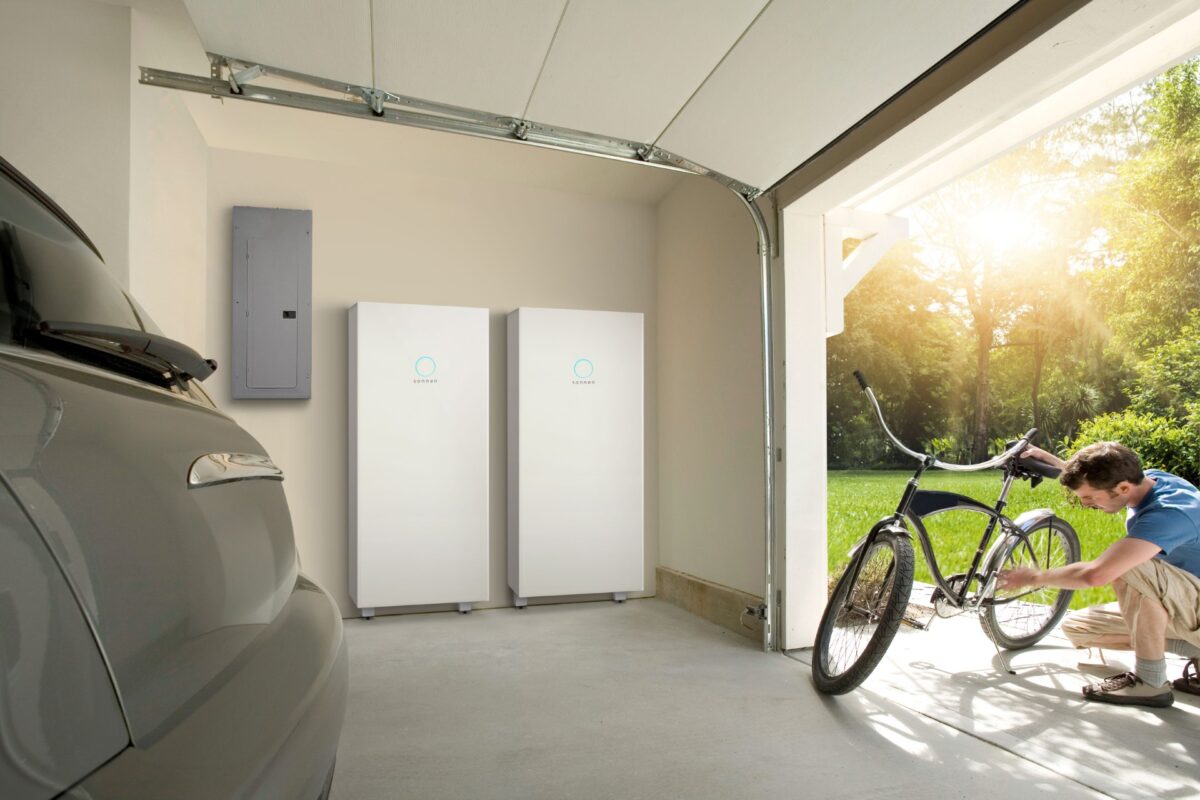





New data shows 254,800 households, small businesses and community organisations have installed a battery under the federal government’s Cheaper Home Batteries program since its launch in July last year, with about half of those customers also installing new or upgraded solar systems at the same time.
Together, batteries installed under the $7.2 billion (USD 5.12 billion) federal rebate have now reached 6.3 GWh of storage, more storage capacity than the 12 biggest in-service utility-scale batteries in the National Electricity Market (NEM) combined.
While the uptake of batteries under the rebate scheme has exceeded expectations, demand for installations is expected to climb in the coming months as buyers look to get in before the discount is adjusted from 1 May 2026 according to the size of the battery.
The Clean Energy Regulator (CER) anticipates 350,000 to 520,000 batteries, with a combined capacity of 8 to 12 GWh, will be installed throughout 2026.
The regulator also expects the Cheaper Home Batteries program to support increased demand for new and upgraded small-scale rooftop solar systems with installations tipped to climb from about 2.8 GW in 2025 to 3.0–3.7 GW in 2026.
In preparation for this expected surge, the CER said it is ramping up its inspections program under the Small-scale Renewable Energy Scheme (SRES) and has introduced “tougher new safeguards.”
“This is a busy period for the industry, and our focus is on making sure standards stay high and consumers stay safe,” CER Executive General Manager Carl Binning said.
“I’m putting installers on notice that unsafe and non-compliant work will be identified, and we won’t hesitate to use our compliance powers. This could result in installers being removed from the SRES.”
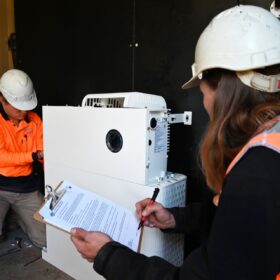
As part of the new inspection process, the CER has introduced new photo requirements for solar battery installations to address issues with critical labelling.
In addition to existing installer on-site verification photos, installers are now required to take “clear, geotagged and timestamped photos” of labelling on battery systems which the CER said is essential to support the safety of installers, emergency responders and future trades working on systems with solar batteries.
Binning said cutting corners will not be tolerated.
“The message to installers is do it once and do it well,” he said. “Installers are required to return to site to rectify non-compliant work and failure to provide the required photos will result in claims for small-scale technology certificates being delayed or rejected.”
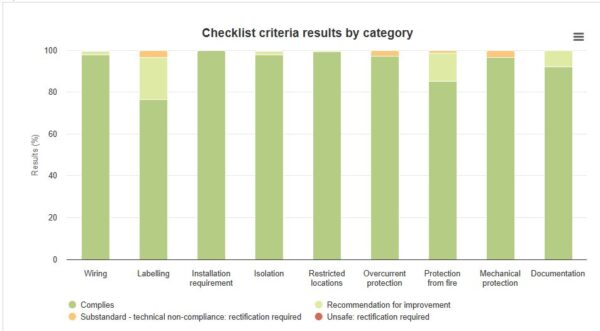
Image: CER
The new inspections program comes with the CER having conducted 846 solar battery inspections by 19 February 2026 on installations that have received STCs, with 350 marked as finalised. Of those, 0.9% were deemed unsafe, related to wiring and protections, and 62.8% were rated “substandard,” meaning technically non-compliant but safe to remain in operation.
The most common reason for technical non-compliance was due to incorrect or missing warning labels, incorrect labelling of backed-up circuits, and incorrect labelling for emergency services.
This content is protected by copyright and may not be reused. If you want to cooperate with us and would like to reuse some of our content, please contact: editors@pv-magazine.com.





By submitting this form you agree to pv magazine using your data for the purposes of publishing your comment.
Your personal data will only be disclosed or otherwise transmitted to third parties for the purposes of spam filtering or if this is necessary for technical maintenance of the website. Any other transfer to third parties will not take place unless this is justified on the basis of applicable data protection regulations or if pv magazine is legally obliged to do so.
You may revoke this consent at any time with effect for the future, in which case your personal data will be deleted immediately. Otherwise, your data will be deleted if pv magazine has processed your request or the purpose of data storage is fulfilled.
Further information on data privacy can be found in our Data Protection Policy.