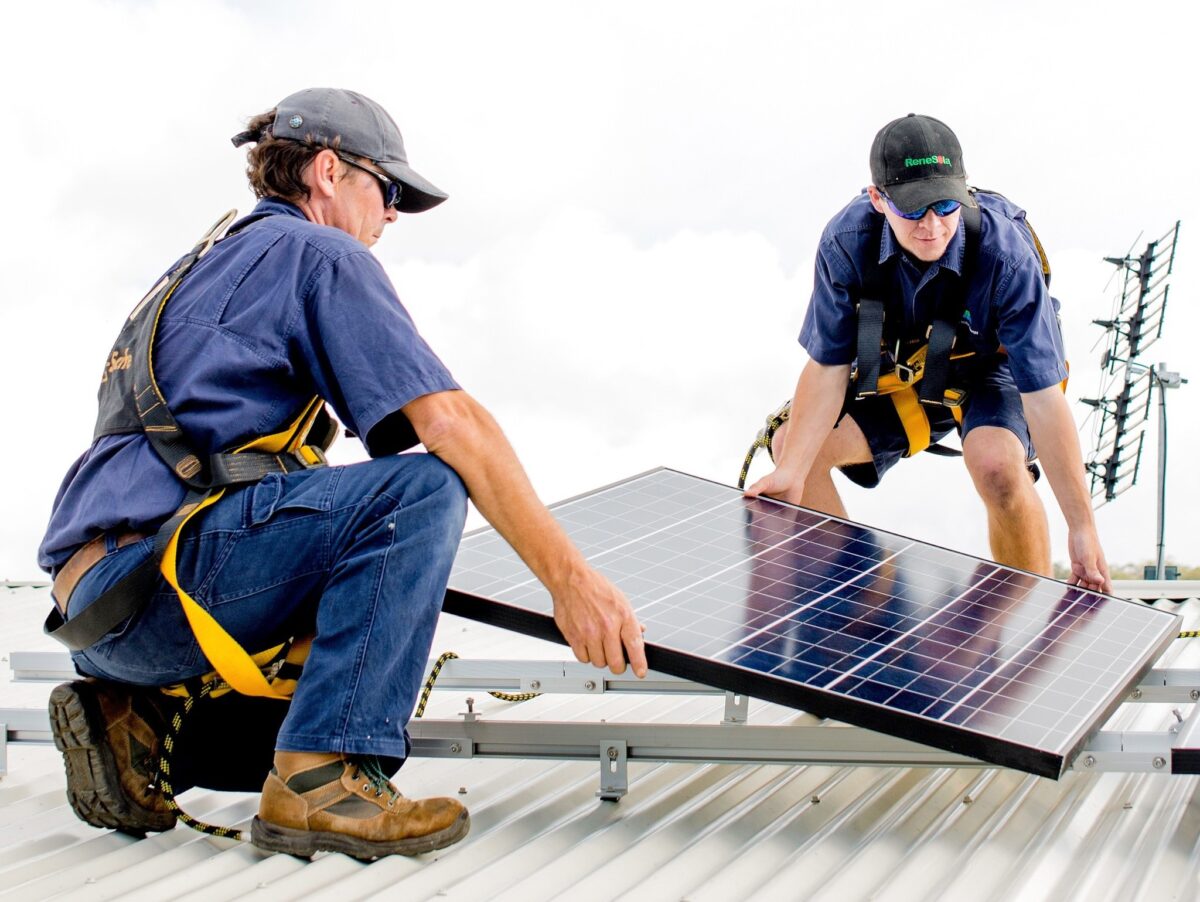





University of New South Wales (UNSW) researchers from the School of Electrical Engineering and Telecommunications will collaborate with Sydney-headquartered installer Aussie Solar Batteries (ASB) Group to design, develop and test artificial intelligence (AI)-driven energy management platforms capable of optimising solar and battery systems.
The aim is to test new technologies under real operating conditions, improving grid stability, lowering costs and unlocking greater value from distributed energy assets.
It will focus on forecasting, demand-side management, optimisation algorithms and digital-twin modelling to enable smarter coordination of distributed energy resources and more efficient virtual power plant (VPP) deployment.
ASB Chief Executive Officer Steven Yu said the partnership bridges a gap between academic innovation and practical energy solutions.
“This collaboration allows us to take world-class research out of the lab and apply it directly in real homes and businesses,” Yu said.
“By combining UNSW’s AI and energy expertise with our large-scale deployment capability, we can accelerate smarter, more efficient solar and battery networks across Australia.”
The collaboration centres on a research and commercialisation project titled AI-Enabled Smart Energy Hub for Virtual Power Plant (VPP) Deployment in Residential and Commercial Solar Networks.
It is part of the Australian government-funded Trailblazer for Recycling and Clean Energy (TRaCE) initiative, led by UNSW in partnership with the University of Newcastle and is designed to fast-track the commercial readiness of advanced clean-energy technologies.
“This project is about closing that gap and fast-tracking solutions that improve reliability, reduce energy costs and unlock the full potential of virtual power plants,” Yu said.
Scheduled to run until the end of 2026, both parties will work under the TRaCE framework to support future commercialisation pathways, which will occur in line with Commonwealth funding requirements, ensuring the benefits of new technology are retained within Australia, an ASB statement says.
Yu said smarter batteries and AI-driven energy systems are the future of the grid.
“It is about time our energy solutions have the capability and intelligence to respond and calibrate to the lifestyle and power needs of households and businesses to ensure we are achieving sensible consumption and the lowest costs possible. Our groundbreaking project will enable this,” Yu said.
This content is protected by copyright and may not be reused. If you want to cooperate with us and would like to reuse some of our content, please contact: editors@pv-magazine.com.


By submitting this form you agree to pv magazine using your data for the purposes of publishing your comment.
Your personal data will only be disclosed or otherwise transmitted to third parties for the purposes of spam filtering or if this is necessary for technical maintenance of the website. Any other transfer to third parties will not take place unless this is justified on the basis of applicable data protection regulations or if pv magazine is legally obliged to do so.
You may revoke this consent at any time with effect for the future, in which case your personal data will be deleted immediately. Otherwise, your data will be deleted if pv magazine has processed your request or the purpose of data storage is fulfilled.
Further information on data privacy can be found in our Data Protection Policy.