





Researchers from South and Western Australian universities have found electric vehicles (EVs) equipped with vehicle-to-home (V2H) technology can significantly reduce a need for large home battery systems.
They investigated how using an EV as a mobile energy storage unit influences the optimal sizing of rooftop solar and home battery storage in grid‑connected residential homes.
By treating the EV as a mobile energy storage unit, V2H is seen to enable households to use stored EV energy to power appliances during expensive peak‑demand periods, slashing grid imports and boosting energy efficiency, the researchers said.
Three residential energy systems were studied, including solar + battery + EV with V2H, solar + EV, and EV only.
Solar + battery + EV with V2H
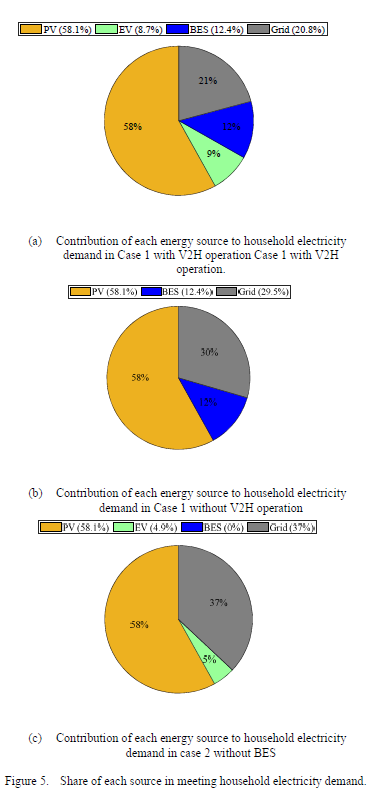
In a solar plus battery and EV with V2H system, researchers found that a 7 kW solar system paired with a 9 kW home battery delivered the lowest annual electricity cost of $2,451 (USD 1,761).
The cost of electricity dropped to 27 cents per kWh and grid electricity imports fell by 78% compared to a house with no solar or battery.
The study showed when V2H capability was removed, the home required a larger 13 kWh home battery to achieve a similar performance, resulting in a 10.8% increase in annual electricity costs.
Flinders University, South Australia (SA) College of Science and Engineering Tonsley campus Lead Researcher and PhD Candidate Golsa Azarbakhsh said the results highlight the growing role that EVs play beyond transport.
“Our work shows that enabling electric vehicles with V2H technology can play an important role in supporting renewable energy use in homes,” Azarbakhsh said.
“Vehicle-to-home capability can reduce the need for dedicated home battery storage while lowering household electricity costs by about 6.8%.”
Adelaide University, SA, Collaborator Dr Solmaz Kahourzade said the findings reveal the value of V2H in the Australian energy landscape.
“South Australia already has some of the highest rooftop solar uptake in the world, but many households still depend heavily on the grid during peak times,” Kahourzade said.
“If we want to accelerate electrification and reduce energy bills at the same time, V2H is one of the strongest tools available.”
Real data
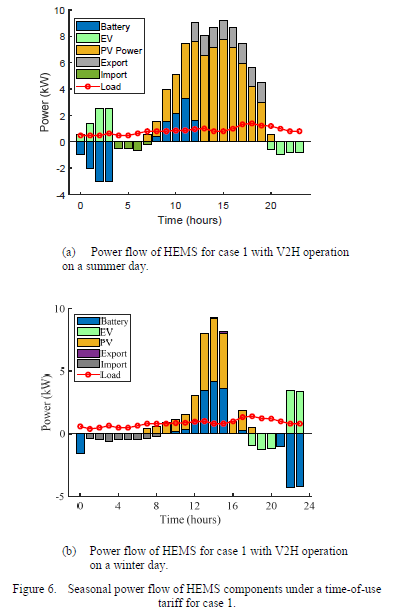
The study used real electricity tariffs, weather data, and household load profiles from Adelaide, incorporating uncertainties such as EV arrival times, departure times, and battery charge levels. It also accounted for SA’s 1.5 kW export limit for residential solar systems.
Under these realistic conditions, V2H improved solar self‑consumption, reduced grid reliance, and delivered year‑round benefits – particularly during winter when solar output is lower.
“With EV adoption rising and more households investing in rooftop solar, V2H technology could soon become a mainstream tool for managing energy costs,” Azarbakhsh said.
The researchers said future studies could explore workplace and public EV charging or apply the model to high‑density housing such as apartment buildings.
This content is protected by copyright and may not be reused. If you want to cooperate with us and would like to reuse some of our content, please contact: editors@pv-magazine.com.





By submitting this form you agree to pv magazine using your data for the purposes of publishing your comment.
Your personal data will only be disclosed or otherwise transmitted to third parties for the purposes of spam filtering or if this is necessary for technical maintenance of the website. Any other transfer to third parties will not take place unless this is justified on the basis of applicable data protection regulations or if pv magazine is legally obliged to do so.
You may revoke this consent at any time with effect for the future, in which case your personal data will be deleted immediately. Otherwise, your data will be deleted if pv magazine has processed your request or the purpose of data storage is fulfilled.
Further information on data privacy can be found in our Data Protection Policy.