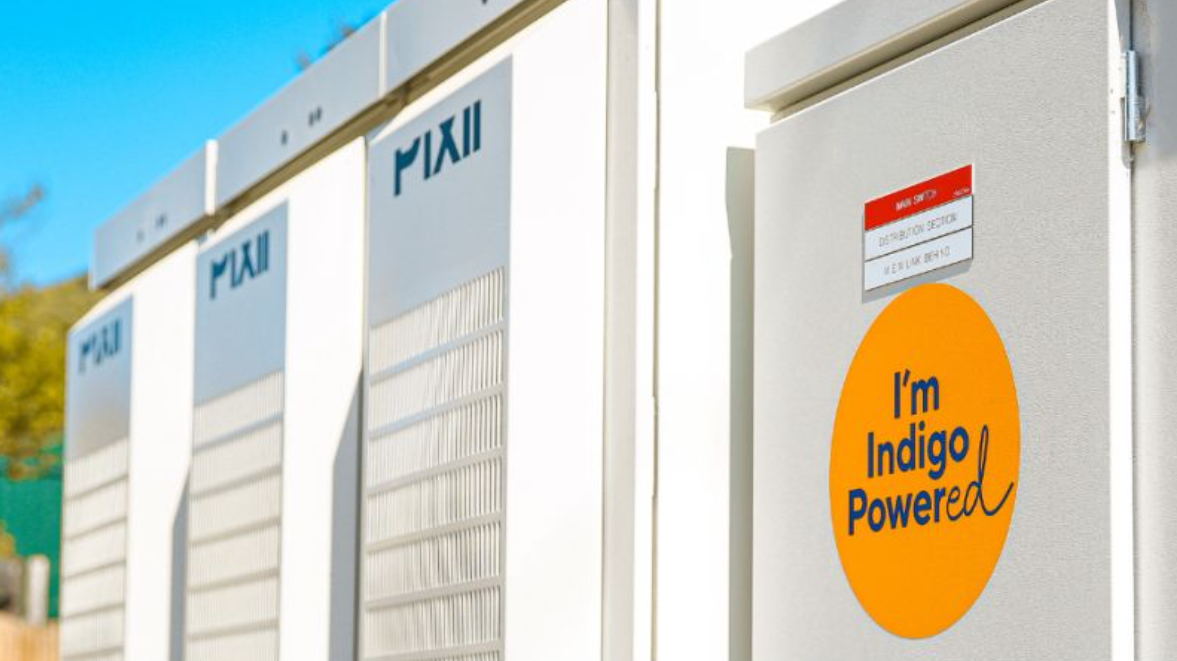





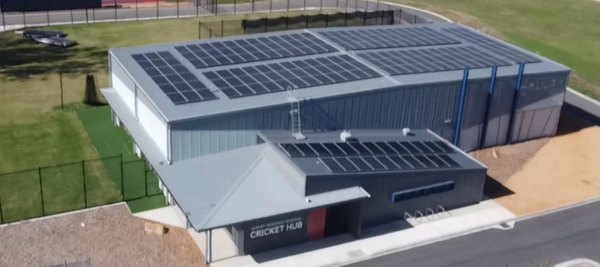
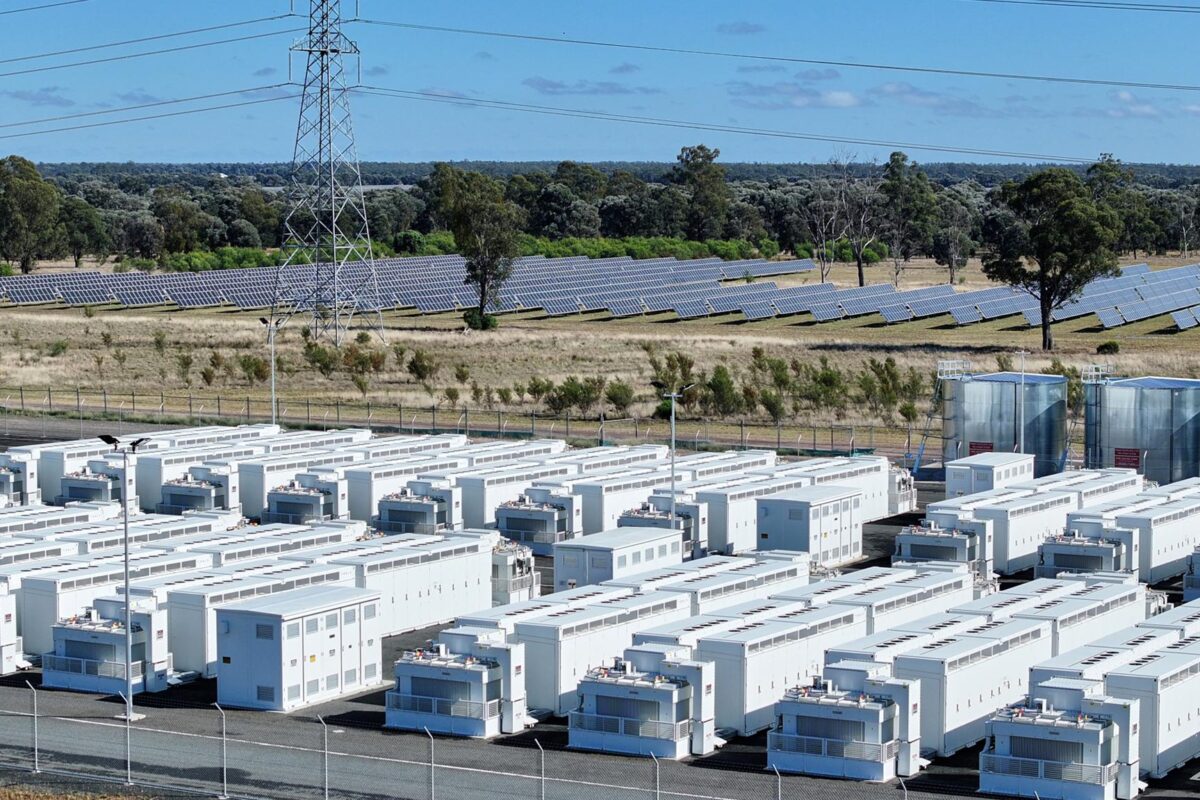
Victorian community-owned clean energy developer Indigo Power has launched a 482 kWh community battery with 100 kW inverter at the Cricket Albury Wodonga (CAW) indoor stadium, co-located with an existing 98 kW solar system.
Supported by the Victorian government’s 100 Neighbourhood Batteries Program, Indigo has partnered with US-headquartered outdoor clothing brand Patagonia to demonstrate, as Indigo describes, “practical climate solutions delivered through business and community collaboration.”
Indigo Power Managing Director Ben McGowan said it’s not just clean energy being generated and stored, but “keeping the value local, lowering costs and building more resilient regional energy systems.”
“Adding battery storage takes this Cricket Albury Wodonga and Patagonia collaboration to the next level. Storing renewable energy at the site allows more locally generated renewable energy to be used when and where it’s needed most,” McGowan said.
The battery will supply the stadium with low-cost, locally stored electricity, provide backup power capability, enable energy sharing with local Indigo Power customers, and continue supplying Patagonia under an existing power purchase agreement (PPA).
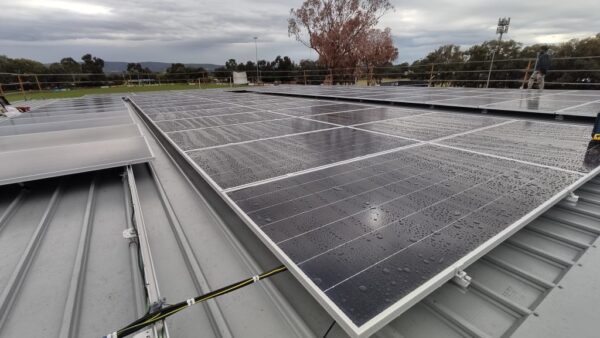
The 98 kW rooftop solar installation at the CAW indoor stadium supplies electricity to the stadium, but also Patagonia’s stores and offices across Australia, facilitated by the PPA and Indigo Power’s energy-sharing software.
CAW has reinvested its savings into community development programs, including pathways for junior male and female cricketers across the region, an Indigo statement says.
Cricket Albury Wodonga Chairman Michael Erdeljac said the addition of the battery takes energy use at the stadium to a new level.
“It gives us greater energy security and ensures we’re making the most of the solar energy generated right here on our roof,” Erdeljac said.
Cricket for Climate Chief Executive Officer Joanne Bowen said the project demonstrates real momentum as sport steps into the energy conversation.
“Cricket clubs are trusted and deeply connected to their communities, making them powerful platforms for change. When business, government and communities come together like this, we’re not only cutting emissions, but we’re also helping future proof the game with savings flowing straight back into clubs to support junior and female participation programs,” Bowen said.
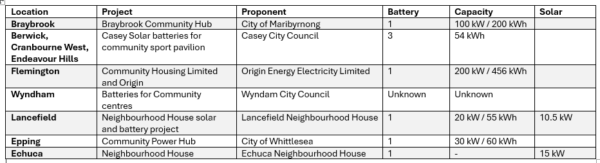
The Victorian Government’s 100 Neighbourhood Batteries Program has to date supported 139 neighbourhood batteries, including an additional 10 announced on 20 February 2026, which marks the end of the program.
This content is protected by copyright and may not be reused. If you want to cooperate with us and would like to reuse some of our content, please contact: editors@pv-magazine.com.



By submitting this form you agree to pv magazine using your data for the purposes of publishing your comment.
Your personal data will only be disclosed or otherwise transmitted to third parties for the purposes of spam filtering or if this is necessary for technical maintenance of the website. Any other transfer to third parties will not take place unless this is justified on the basis of applicable data protection regulations or if pv magazine is legally obliged to do so.
You may revoke this consent at any time with effect for the future, in which case your personal data will be deleted immediately. Otherwise, your data will be deleted if pv magazine has processed your request or the purpose of data storage is fulfilled.
Further information on data privacy can be found in our Data Protection Policy.