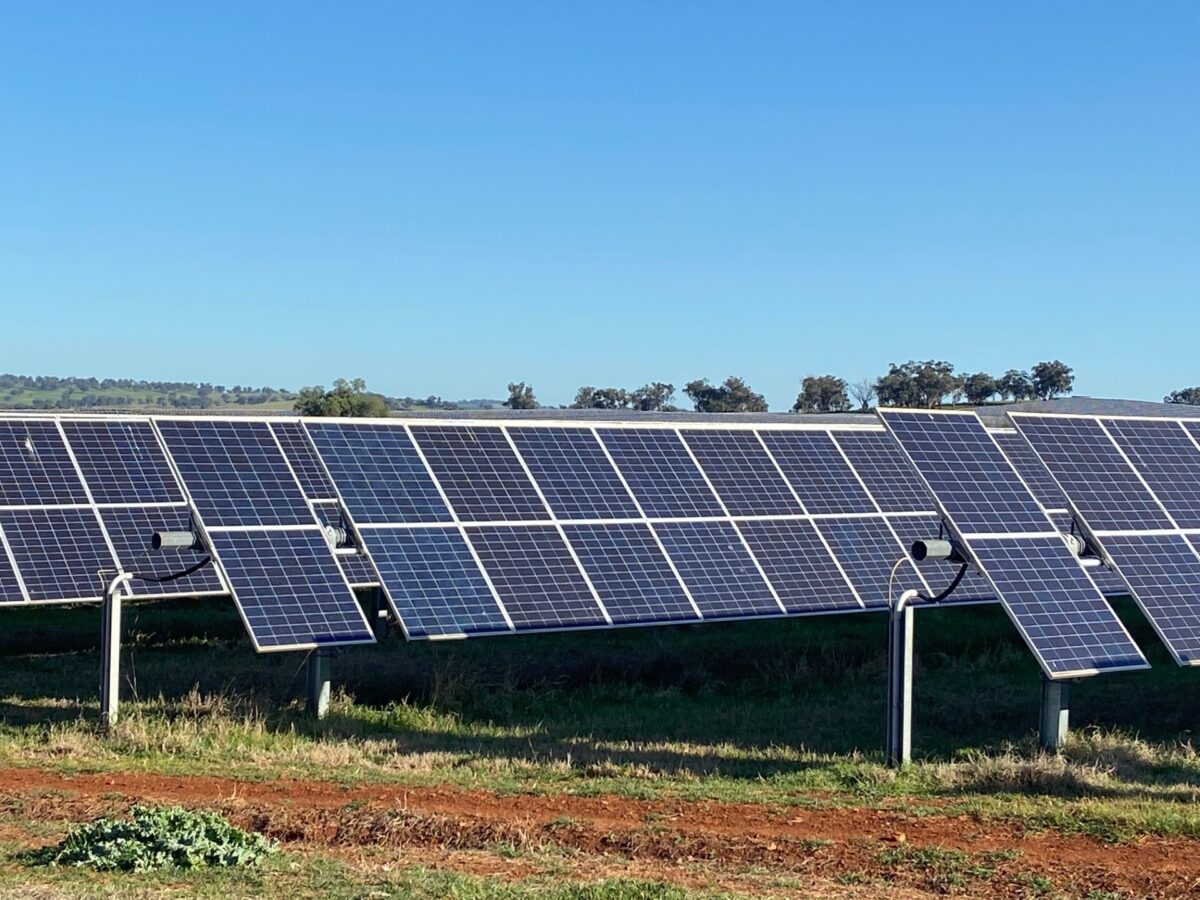





New South Wales (NSW) Energy Minister Penny Sharpe announced the state government will today introduce a new law to fast-track the delivery of key renewable energy projects to ensure energy reliability as coal-fired power stations exit the system.
The proposed Energy Legislation Amendment (Prioritising Renewable Energy) Bill 2026 will allow the NSW Energy Minister to identify the highest-priority renewable energy projects in the planning pipeline and prioritise them for streamlining.
“This new legislation will mean infrastructure projects that are critical for manufacturing jobs, economic growth and energy affordability don’t get stuck in the queue,” Sharpe said.
The NSW energy grid is undergoing its biggest transformation in decades, with the state government aiming to deliver at least 16 GW of new renewable energy generation by 2030 and 42 GWh of new long-duration storage infrastructure by 2034 to replace retiring coal-fired power stations. Since 2019, the state has approved 13.76 GW of renewable generation projects, 18.91 GW energy storage system projects, and 2 GW of long-duration storage, with renewable energy already providing about 36% of NSW’s annual electricity supply.
NSW Planning Minister Paul Scully said the proposed law is designed to build on this progress, by accelerating the infrastructure needed to generate, store and move clean energy across the state.
“With a growing pipeline of energy projects ahead of us, we need a planning system that can support achieving our ambitious energy targets,” he said.
“Since 2023, we’ve already reduced assessment times for renewable energy projects by almost 20% while delivering 50% more approvals.”
“These reforms build on that success by enshrining the community benefit scheme and streamlining prioritised projects in the planning system with the most potential to power our state’s future, making sure the right projects are delivered at the right time in the right places in line with our energy goals.”
While the proposed legislation is intended to deliver more streamlined approvals for generation, storage and network projects, Scully said it will not remove any environmental or community assessment requirements. Developers will still need to meet all relevant planning, environmental and consultation obligations, particularly in regional NSW.
Scully also said further reforms are in development to improve the way projects are referred to the Independent Planning Commission for determination, to ensure NSW residents continue to have a strong voice while avoiding unnecessary delays to critical energy projects.
“These reforms will also make sure critical projects are not being delayed by objections from people thousands of kilometres away who will never be impacted by them – NSW locals should and will have the loudest voice,” he said.
This content is protected by copyright and may not be reused. If you want to cooperate with us and would like to reuse some of our content, please contact: editors@pv-magazine.com.




By submitting this form you agree to pv magazine using your data for the purposes of publishing your comment.
Your personal data will only be disclosed or otherwise transmitted to third parties for the purposes of spam filtering or if this is necessary for technical maintenance of the website. Any other transfer to third parties will not take place unless this is justified on the basis of applicable data protection regulations or if pv magazine is legally obliged to do so.
You may revoke this consent at any time with effect for the future, in which case your personal data will be deleted immediately. Otherwise, your data will be deleted if pv magazine has processed your request or the purpose of data storage is fulfilled.
Further information on data privacy can be found in our Data Protection Policy.