Ev Foley

Climate Council keeps tabs on clean energy momentum with new data website
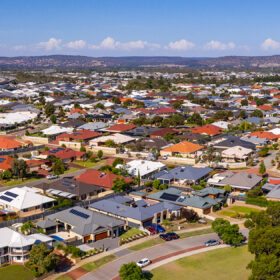
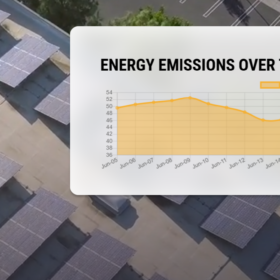
Community-funded climate change communications organisation the Climate Council, has launched a website monitoring the progress and adoption of renewables like rooftop solar, batteries, and cleaner transport choices.
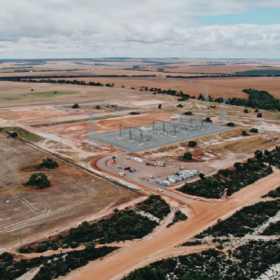
Victoria partners with OX2 on 242 GWh per annum renewable energy park
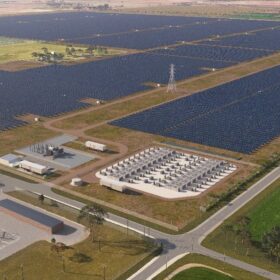
The Victorian state electricity commission (SEC) has announced a $370 million investment in a proposed renewable energy park, in partnership with Swedish renewables developer OX2, and will be the first 100% government-owned generator in the state, since 1994.
3.4 TW of solar and wind can support $700 billion clean energy exports opportunity
Victoria-headquartered not-for-profit think tank, the Superpower Institute, has found Australia’s total potential revenue from clean energy exports is about $700 billion at today’s levels of industry output – or $1 trillion at forecast 2060 levels of output.
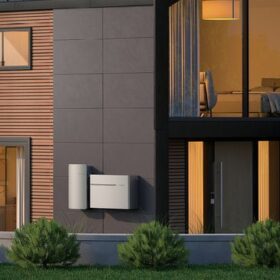
Call for federal battery storage rebate scheme targets a million installs by 2030
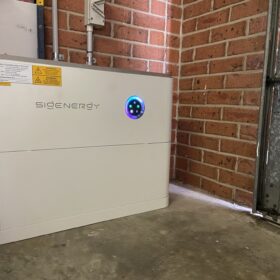
A national battery rebate scheme, with a target of a million household and business installations by 2030, has been proposed to the Australian government on the back of a community-based Solar Citizens petition.
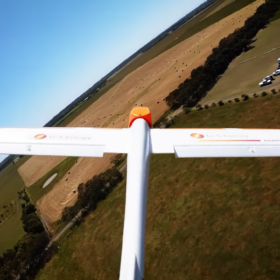
12-cell lithium sulfur battery pack powers aerial vehicle on maiden test flight
Brisbane-headquartered battery technology company Li-S Energy has successfully completed test flights of an uncrewed aerial vehicle powered by a twelve cell, lithium sulfur battery pack.
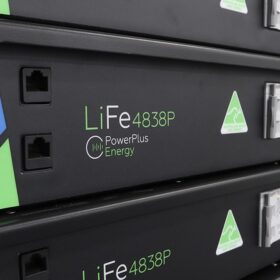
Victoria renewables supply chain boosted by manufacturing grants scheme
Four Victorian businesses manufacturing renewable energy technology components and products have been awarded grants through the state’s $1 million Made In Victoria energy technologies manufacturing program.
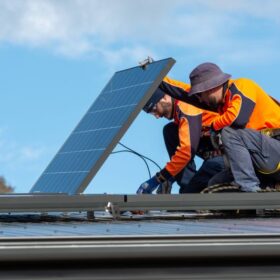
CER grid integration research project wins $1.7 million ARENA grant
The Australian Renewable Energy Agency has granted $1.7 million to a New South Wales university research project to better understand the impacts of integration of consumer energy resources into the grid.
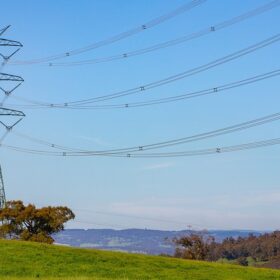
NSW HumeLink approval puts 2,200 MW on-demand energy within reach
New South Wales network operator Transgrid has received approval from the state government for its 365 kilometre HumeLink transmission project, which could be operational by 2027, and federal approval is received.
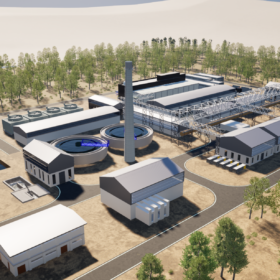
Investment in firmed renewables a key to securing domestic green iron production
Independent clean energy think tank Climate Energy Finance has called for a $20 billion Future Fund mandate to enable renewables-powered processing of green metals and for measures to accelerate investment in firmed renewable energy at scale.
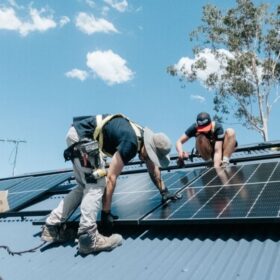
Per capita, global energy jobs are highest in Australia: IEA report
The International Energy Agency’s third World Energy Employment 2024 report has found that while China and India have the biggest energy work forces, energy jobs per capita are the highest in Australia and New Zealand.