Here’s what Biden’s infrastructure bill offers solar and cleantech
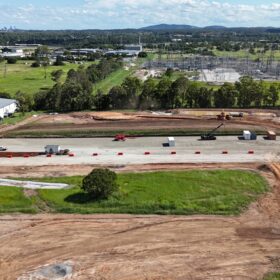
The $2 trillion package includes a proposed 10-year extension of the ITC and PTC and calls for further incentives to add transmission capacity. Most solar advocates liked it, but one nonprofit panned it as being too industry-friendly.
Now they want to charge households for exporting solar electricity to the grid — it’ll send the system backwards
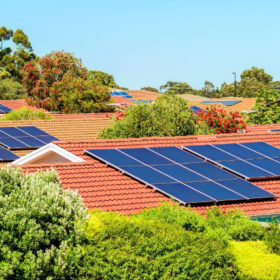
It’s come to this. The Australian Energy Markets Commission has produced a draft decision that will make households and small business with solar panels pay to inject their surplus production into the grid.

We need an energy access revolution: A new approach to innovation can help
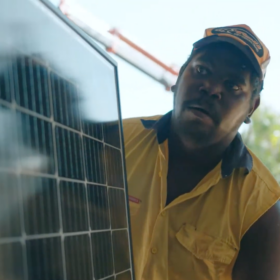
840 million people still don’t have access to electricity today, according to the World Bank. But the radical decrease in the cost of the green technologies of solar and battery storage provides an unparalleled opportunity to close this gap and achieve universal electricity access by 2030.

YouTube – a proven marketing platform to expand solar businesses
YouTube videos are becoming a vital part of consumers’ solar-buying journey, providing a unique opportunity for solar marketers. Marketing pro Rich Feola offers insights on how to use videos to boost your solar company.
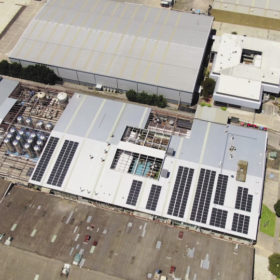
Sunday read: The regulator’s wish is my export limitation
As distributed PV grows, new grid codes have scared installers across some markets. Network operators want to gain control over grid export, even of smaller arrays. Additions of new array controllers and special gateways could be costly putting speedy development of PV at risk. Fret not, says Fimer, as the Italy-based power-electronics manufacturer has placed the solution to the problem already inside its latest inverter range.
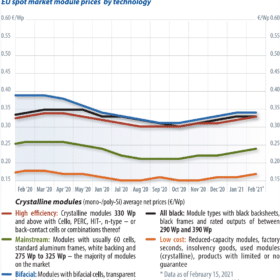
Saturday read: Why human rights protection is pushing up module prices
The solar industry typically sees itself as being supportive of the environment, humanity, and human rights. Even large Chinese PV manufacturers publish statements to this effect, particularly if they are listed on Western stock exchanges. But what do human rights have to do with the solar industry? What connections exist, asks Martin Schachinger of pvXchange, and how are they important to the future success of the European PV market?
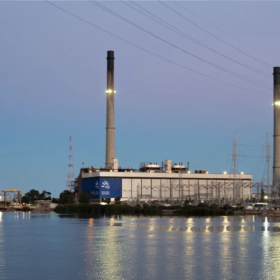
Down 55% – but not out
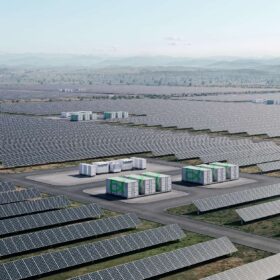
Over 2,000 MW – or around 55% – of South Australia’s firm supply capacity was unavailable on March 12, 2021, along with virtually all of its large-scale renewable supply (a further 1,800 MW or so) but the lights stayed on – just.

Sunday read: History repeats
“Unprecedented” was a term widely used in 2020, as the world grappled with the Covid-19 pandemic. The same word can be similarly applied to the plans and investments in production capacity announced by Chinese PV manufacturers right across the supply chain. But what shape are these expansions taking and what is driving this renewed confidence? Vincent Shaw reports from Shanghai.

100% Renewables – A year in practice
It has now been over a year since City of Newcastle made the switch to a 100% renewable electricity supply contract, as one of the first Local Governments in Australia to do so. For those that love energy data, it tells an interesting tale.
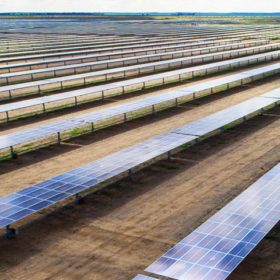
Grid Connection: Meeting the new AEMO requirements for simulation model
Last month, the Australian Energy Market Operator imposed new obligations on utility-scale project developers in the National Electricity Market. These new obligations attend to the test requirements for simulation models in grid connection. Tony Morton, global technical head for power systems at Vysus Group, argues that these new requirements put a lot more work on project developers, but should provide greater certainty.