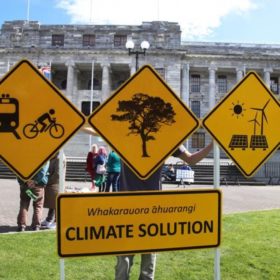
Climate Change Commission calls on New Zealand government to take ‘immediate and decisive action’ to cut emissions
New Zealand’s Climate Change Commission today released its long-anticipated advice to the government on how to reshape the economy to meet the country’s domestic and international climate change obligations. The document sets out three emissions budgets, covering 15 years to 2035 in five-yearly plans. It also provides advice on the direction policy should take to achieve the country’s 2050 net-zero goal.

How to cut emissions from transport: ban fossil fuel cars, electrify transport and get people walking and cycling
For the transport sector, which is responsible for half of New Zealand’s energy-related emissions, the commission suggests a sweeping set of changes to electrify the country’s car fleet and to replace imported fuels with local renewable electricity. It’s exciting to see a national-level plan that actually cuts emissions. But it raises two questions: is it feasible, and is it the best or only option?

Tesla sharpens focus on solar
In an earnings call this week, Tesla CEO Elon Musk boldly claimed that the company will soon be “the market leader in solar.”
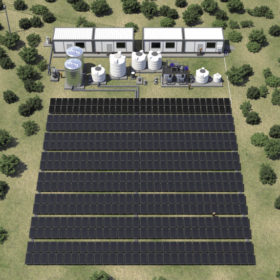
Weekend read: PV in the water-energy-food nexus
Sector coupling may be somewhat of a buzzword, but it also points to opportunities for PV beyond the power markets, which may quickly reach limitations during peak hours of irradiation. Combined energy, food and clean water production presents one such opportunity, with benefits for developers, utilities and communities.
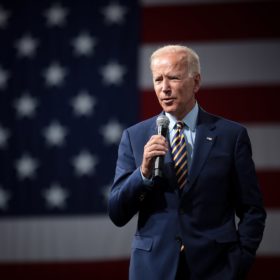
Biden’s Senate majority doesn’t just super-charge US climate action, it blazes a trail for Australia
An aggressive US climate policy rollout could provide a much needed dose of reality to the climate discourse in Canberra. It may also prompt Australia’s major parties to acknowledge the inevitability of a transition to a zero carbon economy.
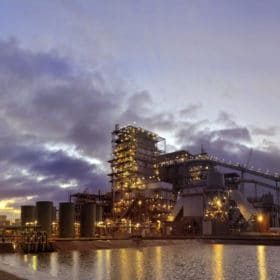
How Australia can phase out coal power while maintaining energy security
The end of coal-fired generation in Australia is inevitable. Zero marginal cost, zero emissions energy is now a reality. Wind and solar are cheaper sources of new electricity than coal in most cases, putting significant pressure on the profitability of the inflexible, ageing coal generators. The only questions are when coal-fired power stations will close and how well Australia will manage that phasedown.
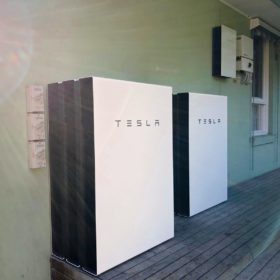
Why you should join the charge for solar batteries
The sooner you invest in a solar battery the better off you’ll be, says Lightning Solar & Electrical’s George Panayides. After installing hundreds of solar batteries throughout Australia, Panayides says that demand is picking up and the future is bright, but notes that while high prices may inhibit uptake for some, the savings to be made with batteries and VPPs are a sure thing.
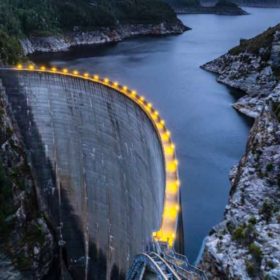
Battery of the nation + hydrogen export: Can they do both?
In light of the Morrison Government committing another $94 million to Marinus Link, Cornwall Insight Australia Senior Analyst, Jake Dunstan, asks whether Tasmania can do both; support the mainland and develop a renewable hydrogen industry locally.
Solar set to shine in a post-pandemic world
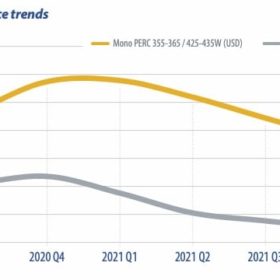
The world is still combating Covid-19, with Europe now impacted by a second wave of the virus. While the market reported delays for a few projects, the impacts on the PV sector remain unclear. But if the world fails to curb the Covid-19’s spread, governments may be forced to reintroduce strict measures, thereby sapping PV demand. PV InfoLink’s Mars Chang expects module demand to hit 126 GW by the end of this year.

States are leading the way in the climate power shift
It’s 2020, and there has been a shift in the balance of power. Not in the Senate, but between the federal government and the states. All last summer during the bushfires – while the Prime Minister was infamously not holding a hose – it was the premiers and chief ministers who were right beside emergency services leaders, working to keep people safe and informed.