17 microgrid projects win government funding
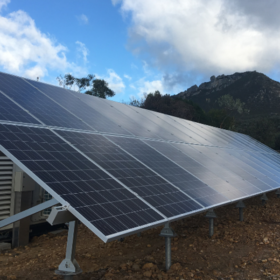
The federal government has announced funding for a series of microgrid feasibility studies that will seek to unlock more secure, affordable, and reliable energy for regional and Indigenous communities.
ARENA receives overwhelming response to green hydrogen funding round
More than $3 billion of renewable hydrogen projects are vying for funding from the Australian Renewable Energy Agency (ARENA) to build the first commercial-scale projects in the country.
Solar holds up relatively well in the face of Covid-19, CER finds
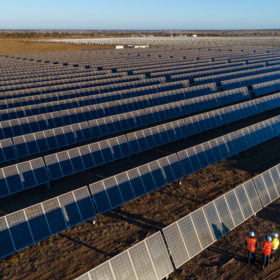
A new report from the Clean Energy Regulator (CER) shows that the renewable energy sector in Australia has exhibited resilience with 1.3 GW of new installed capacity despite the economic challenges of the Covid-19 pandemic. While rooftop PV continued to thrive in the first three months of this year, the construction of large-scale projects was generally on track with minimal delays.
CEC publishes first ever national study of renewable energy workforce
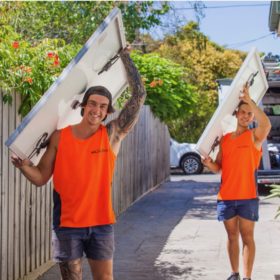
The continuing dominance of the small-scale solar sector and the great potential for regional and rural jobs are just some of the findings in the Clean Energy Council’s “Clean Energy At Work”, a first-of-its-kind extensive report into the current renewable energy workforce and its potential over the next 10-15 years.
Rooftop PV uptake shows no sign of Covid-19-induced slowdown, as yet
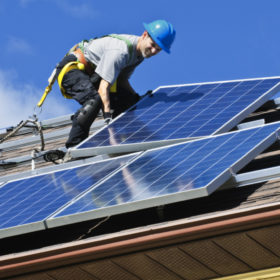
Australia’s rooftop PV fleet continues to grow in the face of uncertainty surrounding the outbreak of the pandemic, posting another big month above 200 MW. Mega-household solar systems are growing in popularity, but retailers and installers can see the storm clouds gathering.
New rules pave the way for off-grid renewables to replace poles and wires
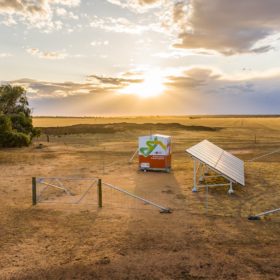
In a major reform of the energy rules, distribution businesses across Australia will be allowed to service remote areas with stand-alone power systems and avoid costly network upgrades.
NSW seeks expressions of interest for 3 GW renewable energy zone
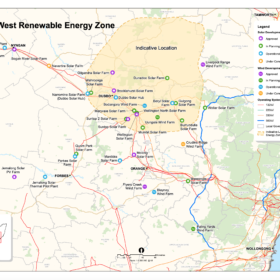
Solar, wind and energy storage companies have until June 5 to express interest in building parts of the 3 GW renewable energy zone in New South Wales.
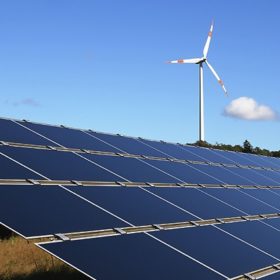
Solar leads Australia’s energy transition as renewables set new record
In 2019, renewables continued to undermine the dominance of coal on the Australian grid and surged on the back of a massive 46% year-on-year jump in solar power, according to the latest data from the federal Energy Department.
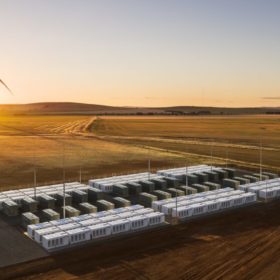
Sun Cable to build Darwin megabattery
Following hot on the heels of Sun Cable’s awarding of its unprecedented cable route survey contract to Guardian Geomatics Pty. Ltd., the company has also announced planning approval for a Darwin megabattery to form an integral part of its Australia-ASEAN Power Link.
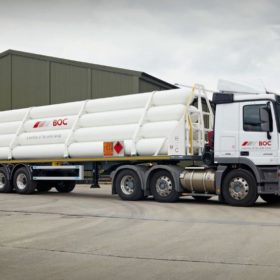
Major consortium initiates big hydrogen cell: first stop, Australia’s buses
A global consortium of technology providers, transport and infrastructure experts has joined forces to show the Australian public the feasibility and utility of hydrogen fuel cells to cleanly power public transport.