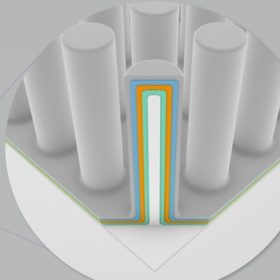
3D solid-state thin film battery from the Netherlands
Developed by a spin-off of Dutch research institute TNO, the battery is claimed to offer higher energy density, longer lifespan and increased safety compared to conventional lithium-ion batteries. It will initially be applied in wearables and electric cars.
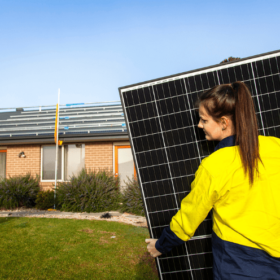
Victorian Solar Homes program reaches 1 GW of energy capacity
After a controversial beginning, the Victorian Solar Homes Program recovered and is now setting new records. From the early days when solar installers were forced to protest due to the unintended effects of the policy’s first iteration, to today when more than 165,000 homes have solar as a result of the program, it is fair to say that Victoria is headed into a bright summer.
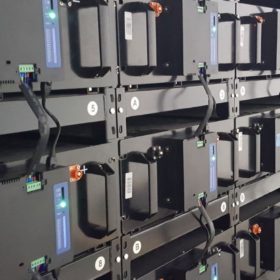
The energy storage decade has arrived, says BNEF
BloombergNEF says falling battery costs and “surging” renewables penetration make energy storage a “compelling flexible resource in many power systems.” Australia is among the predicted top markets.
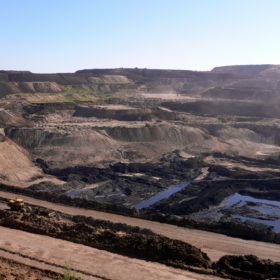
How to convert coal mine goaves into pumped hydro storage facilities
According to Chinese researchers, using abandoned coal mine goaves for pumped hydro facilities in combination with large scale solar and wind is not only technically feasible but can also provide an efficiency of 82.8% in yearly operation cases. They applied the model to wind and solar-rich northwestern and southwestern China.
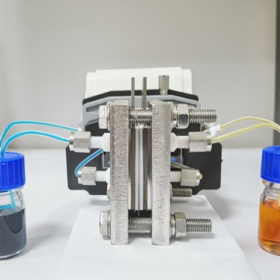
Redox flow battery with capacity retention of 99.98% per cycle
The battery was fabricated by Chinese scientists with a low-cost electrolyte made of a derivative of TEMPO, which is a well-known electroactive aminoxyl radical used with several applications in chemistry and biochemistry. According to the researchers, the battery shows high redox potential and is crossover-free.
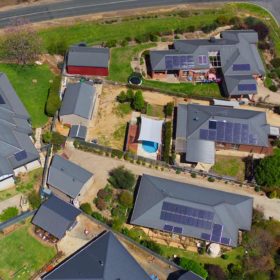
Investability of Australian large-scale renewables remains low
COP flack for Australia’s insubstantial and unstructured response to decarbonisation has not made the country more attractive to investors. Has our first-mover status cruelled our investability, and what could the next Federal Government do to revive investor confidence?
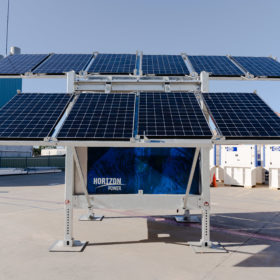
Distribution networks set to shrink: standalone solar hybrid systems are safer, more reliable
Western Australia leads the world in successfully implementing renewables-based energy generation for far-flung customers. Unique joint venture and pioneer in the field, Boundary Power, has been widely recognised for its innovations and is ready to repeat its SAPS successes across Australia and the Asia-Pacific.
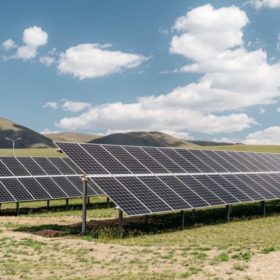
Off-grid green hydrogen production in Australia may already be competitive with blue
French energy giant Engie has developed a transfer function method based on a model used to assess PV plant variability. Its researchers claim that the new approach does not overestimate the levelised cost of hydrogen (LCOH) of an alkaline electrolyser powered by offgrid solar, finding that in Australia green hydrogen produced with such systems may already be cost competitive with blue hydrogen.
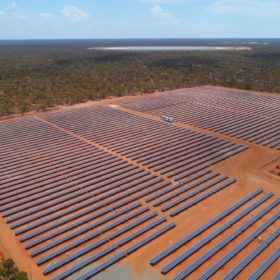
WA miner to test vanadium redox flow battery technology
Western Australian miner IGO is building upon its renewable energy options at its Nova nickel operation after signing an agreement with Perth-based energy storage company VSUN Energy to trial a hybrid standalone power system backed by a vanadium redox flow battery.
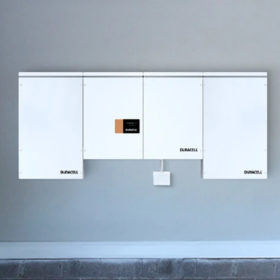
Duracell launches 14 kWh battery for residential PV
The US battery manufacturer entered the stationary storage business with a new product for residential customers. The lithium iron phosphate (LFP) battery is compatible with new or existing PV systems.