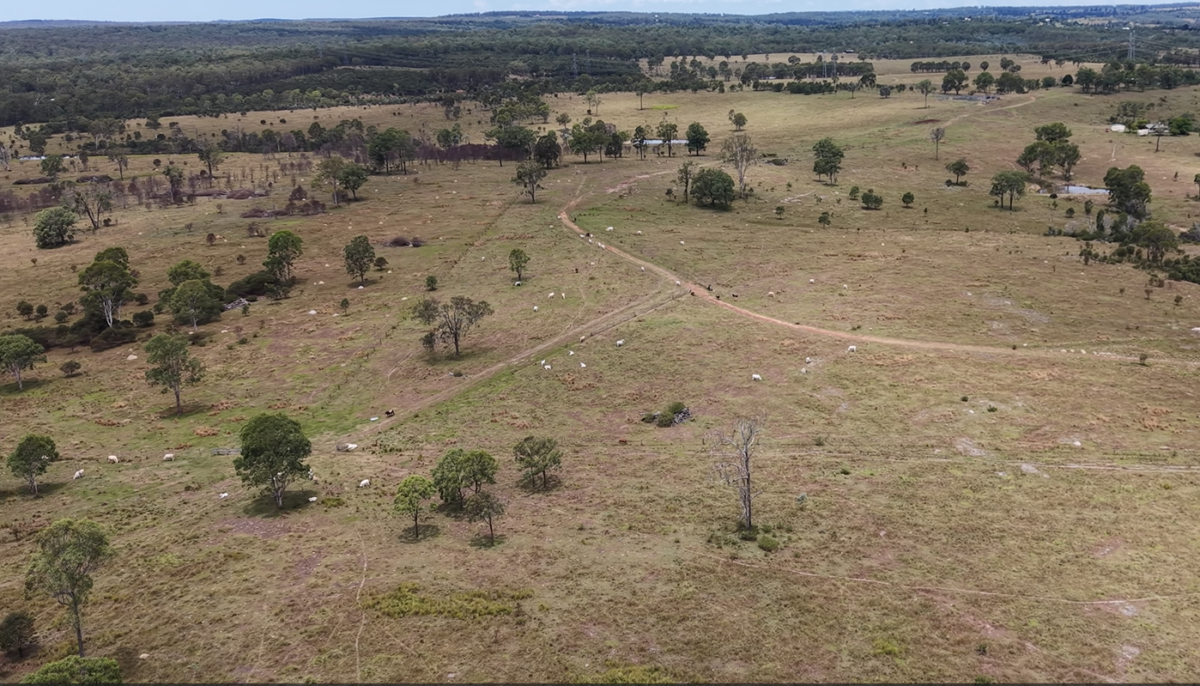





Renewables developer Australian Solar Enterprises (ASE) confirmed that its Tumuruu solar and battery energy storage project planned for Queensland’s South Burnett region has been given the green light under federal government’s Environment Protection and Biodiversity Conservation (EPBC) Act.
In its decision notice, the federal Department of Climate Change, Energy, the Environment, and Water (DCCEEW) said the Tumuruu solar hybrid project has been cleared as “not a controlled action,” moving the project closer to construction.
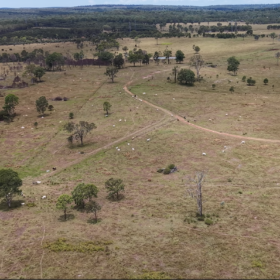
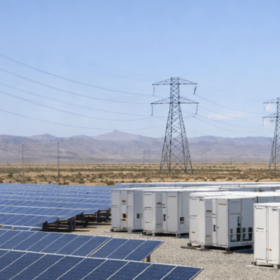
The Tumuruu project, to be built on a 673-hectare site just north of the Queensland town of Blackbutt, comprises a 400 MW solar farm supported by a 2,000 MWh battery energy storage system featuring grid-forming inverters.
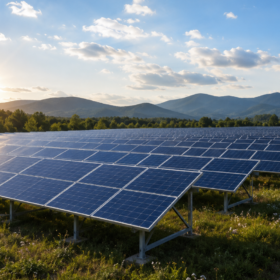
A key feature of the project is that the PV array will be mounted on lightweight steel rods and plates barely a metre from the ground, a decision that ASE said will ensure minimal ground disturbance and preserve agricultural land.
The Brisbane-headquartered developer said the lightweight system works with the site’s topography and retains high-value elements and still delivers a project that will generate at scale.
“From day one, ASE set one rule: the project fits the land, not the other way around,” the company said. “When your design is right, the federal process gets easier, because you’re not asking the regulator to accept compromises. You’re showing them a project that already respects what’s there.”
ASE said the EPBC decision allows the project to advance the grid connection process and ultimately to construction and operations.
ASE is targeting a final investment decision later this year with construction expected to begin soon after. It is anticipated the Tumuruu solar and battery system will commence operations in 2028.
This content is protected by copyright and may not be reused. If you want to cooperate with us and would like to reuse some of our content, please contact: editors@pv-magazine.com.

Where is the transmission line for the approved Tumurra solar and battery project.
Ho w does the battery component fit the land without earthworks and concrete slabs and fencing
The facility will connect to the grid via existing high-voltage transmission lines that are adjacent to the site. The BESS is to be centrally located in the 300had footprint and concrete slab is likely. Earthworks and fencing are a given.