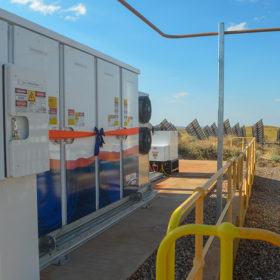
Australia’s hottest town now has a battery to store its excess solar
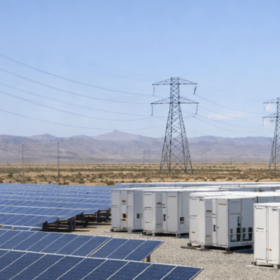
The town of Marble Bar in Western Australia’s remote East Pilbara region is famed for at one time recording 100 consecutive days of temperatures exceeding 37 degrees Celsius. So it’s no wonder the town’s residents have excess solar and nowhere to put it. That is, until now, thanks to the installation of a battery energy storage system beside the town’s centralised solar farm.
Zinc-bromide battery company Gelion to deliver 100 MWh of storage in PNG partnership
Sydney-based zinc-bromide battery technology company Gelion will deliver 100 MWh of energy storage to Mayur Renewables for its clean energy projects in Papua New Guinea under a new deal.
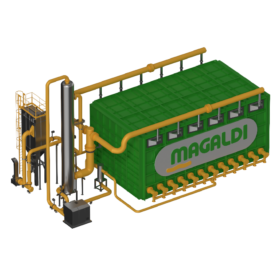
Long-duration thermal storage system based on silica sand
Developed by Italian dry bottom ash handling system provider Magaldi Power, the system produces green thermal energy — steam or hot air — which can be used directly in industrial plants or for the generation of electricity using steam turbines. The system consists of a blower, a fluidisation air blowing system, a fluidisation air suction system, an air filter and fan, an air pre-heater, and an integrated thermal energy storage module. Silica sands are the system’s storage media.
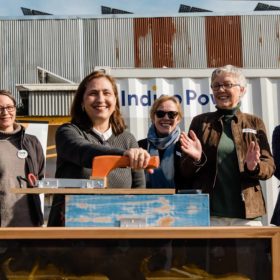
Communities step up when the Coalition won’t
Embarrassing Australia on the world stage is one of Prime Minister Scott Morrison’s favourite marketing ploys. But while the federal government continues to fail its constituents, particularly those in rural communities, those rural communities themselves are taking the energy transition into their own hands, along with the ownership of their own solar generation.
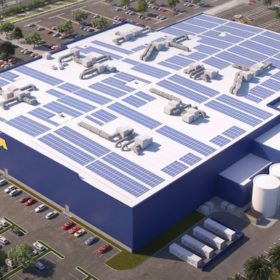
COP26 this! A fast, simple, Australia-tested solution to climate change
EleXsys Energy’s technology enables the controlled flow of excess energy from distributed rooftop-solar generators — think large C&I organisations and microgrid-united regional townships— to help stabilise global grids as they increasingly transition to renewables. The world could feel the positives of mass transition to solar within five years.

Piling on rooftop solar adds value to Wangaratta businesses
Across Australia businesses understand the many pluses of running on renewable energy. The Sustainable Australia Fund helps them achieve multiple business ambitions by offering flexible finance for solar, battery storage and energy efficiency measures.
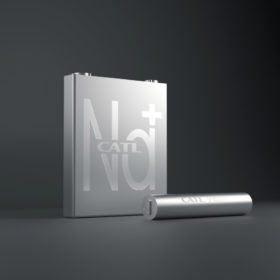
Saturday read: Promising alternatives to lithium-ion
Lithium-ion batteries are a fantastic crutch for the renewable energy transition. It’s not all roses, though: Short duration limits, and potentially dangerous thermal runaway in rare circumstances, means the hunt continues for alternative electrochemical batteries. However, alternatives will largely complement lithium-ion batteries, rather than supersede them. Blake Matich looks at promising options to keep an eye on.
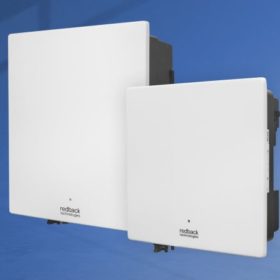
Redback unveils solar inverters and beefs up battery range
Australian energy storage company Redback Technologies has unveiled an expanded product range, adding a series of grid-tied solar inverters and new beefed-up battery products to its existing line of modular battery energy storage systems for residential and commercial customers.
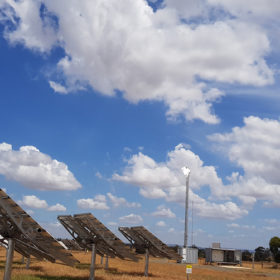
Photon plans world’s largest solar+storage project in South Australia
Dutch renewables company Photon Energy has announced it will build “the world’s largest” solar-plus-storage project to date, teaming with Australian technology provider and project developer RayGen Resources to develop a facility that will deliver 300 MW of solar generation and 3.6 GWh of energy storage.
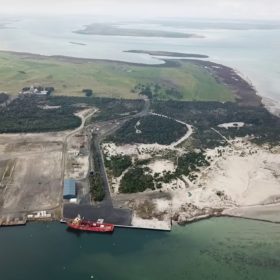
Patriot Hydrogen joins gasification outfit CAC-H2’s bulging partner list
Patriot Hydrogen has become the latest company to partner with the fast growing Singapore-based hydrogen-via-gasification outfit, CAC-H2.