Where rooftop solar meets the most money-saving energy plan — it’s personal
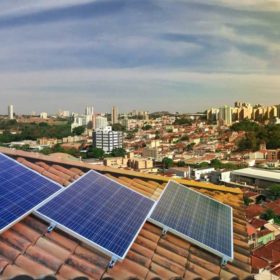
It’s not just big companies that are benefiting from digitisation and data analytics. Today sees the rollout of a new optimising algorithmic marvel that easily shows solar PV owners which of a myriad of constantly changing retail energy plans will save them the most on their electricity bill. No need to die wondering!

ALPA seeks to harness the renewable gold rush for Australia’s regional communities
Debate on independent MP Dr Helen Haines’ Australian Local Power Agency Bill 2021, which seeks to anchor the benefits of renewables projects in their hosting regions, will be informed by Friday’s parliamentary committee hearing of submissions on the proposed legislation. A number of valid discussion points have been raised.
Australia grid delays affect Dutch developer’s figures
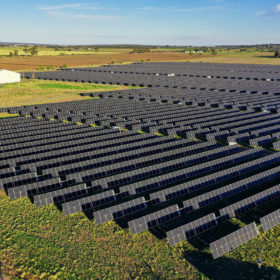
Photon Energy reported raised revenue from sales of electricity in the second quarter of the year, compared with 12 months earlier, but said grid hold-ups at 14.6 MW of solar projects Down Under had affected performance.

Sun Cable plans capacity increase for world’s largest solar+storage project
The world’s biggest solar PV and storage project is set to get even larger with the Singapore-based Sun Cable announcing it plans to increase the renewable energy generation and storage capacity of the $26 billion Australia-ASEAN Power Link being developed in northern Australia.
Coupling PV-powered electrochemical water splitting with battery storage
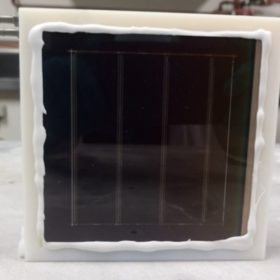
A German research team has developed a photovoltaic-electrochemical device for alkaline water electrolysis that can be linked to battery storage. The proposed system configuration can not only smoothen out the PV power fluctuations and facilitate power coupling, but also improve solar to hydrogen efficiency.
Solar eclipses coal for first time, setting renewable record
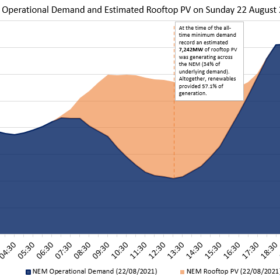
For the first time in the history of our national energy market, solar generated more electricity than coal, providing 41.4% of the national market on Sunday, while coal accounted for 41.2%.
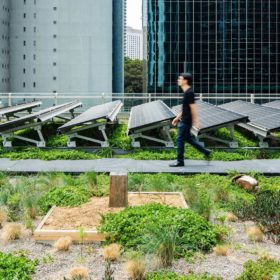
Green roof improves solar panel efficiency by 3.6% on average, study finds
The comparison of two solar cladded roofs in Sydney, one bare beneath its panels and the other adorned with native grasses and plants, has found the panels on the green roof were, on average, 3.63% more efficient, producing an average daily output 13% greater than the conventional roof. The improvements are believed to stem from the lower temperatures on the green roof, thanks to its plants – which also provided a plethora of additional benefits.
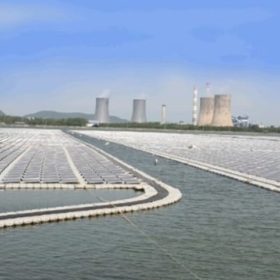
India’s largest floating solar project commissioned
The state-run energy company has commissioned a 25 MW plant on the reservoir at its Simhadri thermal power station, in the state of Andhra Pradesh. The installation features more than 100,000 solar modules.
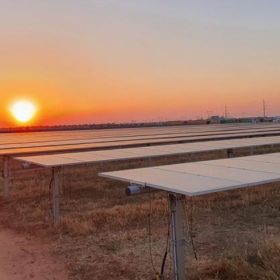
How Australia could save almost $7 billion on its energy transition
The risks posed to renewable-energy projects by Australia’s uncertain climate change policies and hamstrung regulators, have become a concerning brake on investment. Adjusting settings to reduce those risks would revitalise investor sentiment and vastly reduce the cost of implementing the country’s switch to renewables, says the Clean Energy Investor Group.
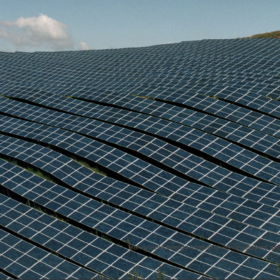
New net-zero-pursuing investors change Australia’s renewable-energy development game
Imperatives meet opportunity. Corporate and utility goals for sustainability are driving a new group of investors to pick up the Australian renewable-energy resource and run with it. A new PwC report outlines how the new investor-developer partnerships could work.