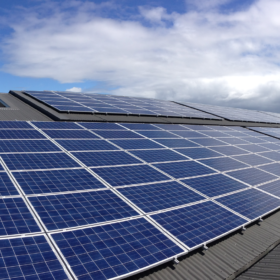
Epho installs 100 solar systems in 100 days as Aldi Australia commits to 100% renewables
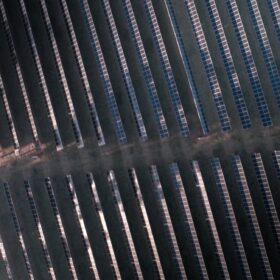
German discount supermarket chain Aldi has become the first Australian supermarket to commit to 100% renewable electricity by the end of 2021. To achieve this goal, Aldi’s longtime solar partner Epho Commercial Solar has refined its processes, managing to install 100 solar systems atop Aldi sites in 100 days.
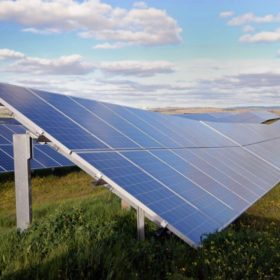
John Laing continues to bleed red ink with its Australian solar projects stuck in the slow lane
In its H1 2020 report, the UK-based infrastructure investor revealed it had suffered substantial losses, mainly due to performance issues on its renewable energy projects. Two of the company’s Australian solar farms were particularly badly hit by transmission and equipment issues.
Renewable Colossus at Worlds End – Neoen delivers Goyder South Development Application
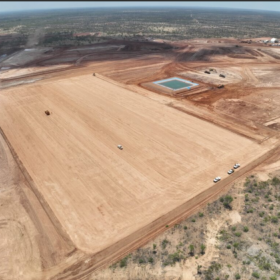
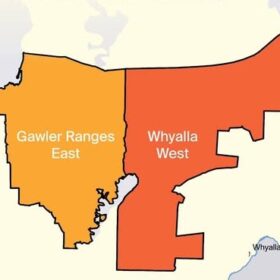
Neoen’s proposed Goyder South Hybrid Renewable Energy project is so vast that analogy does it a disservice. The French developer has commenced the project’s notification period with the submission of its Development Application, giving us the first real opportunity to begin to quantify its sheer enormity. 1200 MW of wind, 600 MW of solar, and 900 MW/1,800 MWh of battery storage.
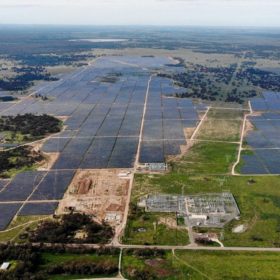
Australia’s largest solar farm registered in troubled part of the grid
With two synchronous condensers installed as part of the project, the 275MWac/333MWdc Darlington Point Solar Farm hopes to help manage the ongoing integration of renewable energy generation in the West Murray region.
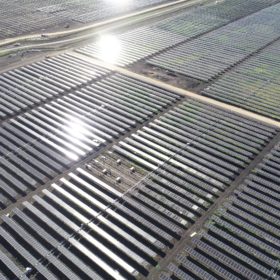
Western Australia welcomes its largest operating solar project
Following its swift completion, Risen Energy’s 132 MW Merredin Solar Farm has joined the Western Australian grid. The project has finalized its staged commissioning process and is now exporting clean energy at 100% capacity.
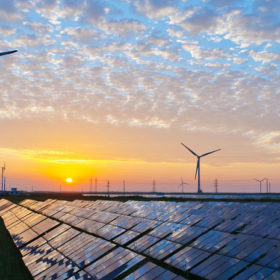
Solar, wind, storage investment collapses as risks on developers grow
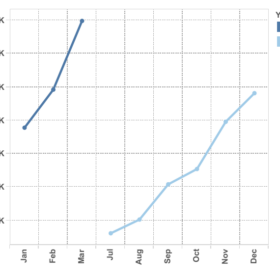
A new analysis by the Clean Energy Council reveals a dramatic fall in the number of large-scale renewable energy projects committed in the second quarter of 2020, with just three projects representing 410 MW of new capacity reaching financial close – the lowest level since 2017.
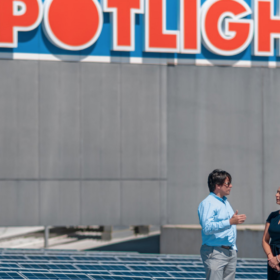
EnergyAustralia takes full ownership of Melbourne-based solar and LED lighting company
One of Australia’s three major electricity retailers has moved to acquire 100% of Echo Group in a bid to expand its offering of products for C&I and residential energy consumers that save them money and carbon emissions.
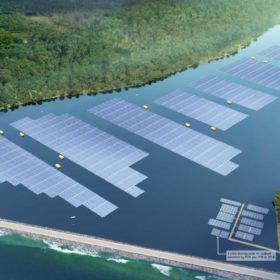
Construction begins on 60 MW floating PV plant in Singapore
The plant will sell power to Singapore’s Public Utilities Board under a 25-year PPA. The project is located at the Tengeh Reservoir.
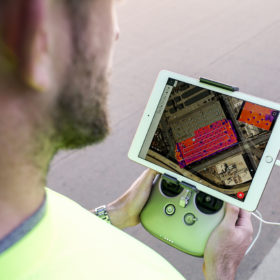
DroneDeploy has soared to solar success in the U.S., now it’s Australia’s turn
Without droning on too much, the uses of drones in the solar industry are many, and this is why DroneDeploy has had such success in U.S. Now the company has opened a Sydney office and is planning rapid expansion with a focus on taking advantage of Australia’s widespread solar uptake. DroneDeploy’s Adam Savage sat down with pv magazine Australia to discuss.
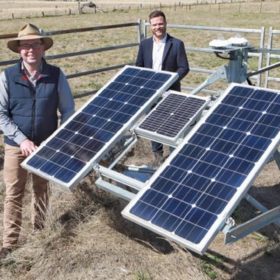
New England big battery awarded $12.5 million state government grant
The 50 MWh battery will be colocated with stage 1 of the UPC/AC Renewables’ 720 MW New England Solar Farm.