First Solar changes course: now selling its thin-film solar panels into the distributed generation market
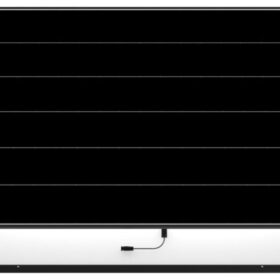
The utility-scale solar pioneer and specialist is going small. After decades of avoiding distributed generation, its distributors will now offer First Solar’s series 6 modules to “projects and customers of all shapes and sizes.”
Light and shade of 500 W plus solar panels – part IV
In the fourth and final article of a series, pv magazine editor Pilar Sánchez Molina analyzes with industry experts challenges and opportunities created by new panels with power output exceeding 500 W.
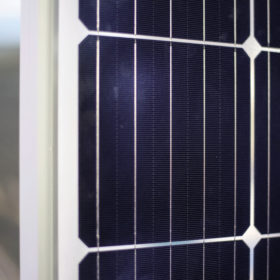
Inverted pyramid-based PERC solar cell with 21.4% efficiency
A Chinese research group has developed a PERC cell on a commercial 180-μm-thick monocrystalline silicon wafer with a standard size of 156 × 156 mm2. The cell has an open-circuit voltage (VOC) of 0.677 V, a short short-circuit current (ISC) of 9.63 A, and a fill factor of 80.30%.

Light and shade of 500 W plus solar panels – part III
In the third article in a series, pv magazine editor Pilar Sánchez Molina and industry experts continue their discussion on the challenges and opportunities created by new panels with power output exceeding 500 W.

Forget 7-star luxury, Adelaide is now home to a 10-star sustainable home
South Australia’s first ten-star home was completed last month, a home that consumes twenty times less energy than the average Australian household, in part thanks to its Fimer React 2 solar hybrid system.
Light and shade of 500 W plus solar panels – part II
In the second article in a series, pv magazine editor Pilar Sánchez Molina and industry experts keep discussing the challenges and opportunities created by new panels with power output exceeding 500 W.
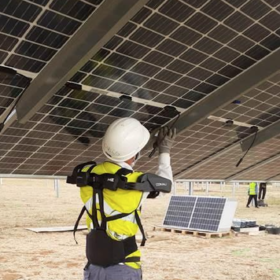
Exoskeletons for solar panel mounting
Endesa, the Spanish unit of Italian power group Enel, is using a new technology in the construction of three solar parks in southern Spain.

‘High brand recognition’ meets modern features in new GE inverter
A new solar inverter is set to arrive on Aussie shores, in the form of the 5 kWp GE rooftop unit. Having received one of the first systems to roll off production lines, SolarQuip’s Glen Morris describes the unit as combining all the features of a modern solar inverter, with “high brand recognition.”
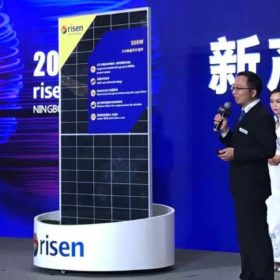
Light and shade of 500 W plus solar modules – part I
In the first article of a series, pv magazine editor Pilar Sánchez Molina analyzes with industry experts challenges and opportunities created by new panels with power output exceeding 500 W.

Polysilicon price spike puts pressure on solar developers in Australia
In light of the recent events that have caused the polysilicon price to skyrocket, solar developers in Australia are being warned about module supply constraints and price volatility over the coming quarter.