New England REZ ‘swamped’ with 34 GW of clean energy projects
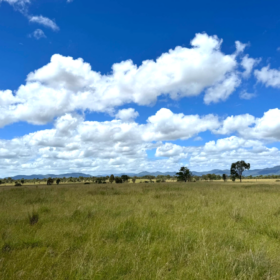
AUSTRALIA’S largest planned Renewable Energy Zone has been ‘swamped’ by investors with the New South Wales government revealing that more than 80 new solar, wind and energy storage projects, totalling a massive 34 GW, had been proposed for the New England region.
Secrecy and high level splits: ‘coal-keeper’ uproar but expert says politics won’t stop the inevitable
The Energy Security Board’s market reforms have come under fresh scrutiny after ministers met last week under a veil of secrecy, apparently stirring deep rifts between federal and state ministers and other stakeholders. While it remains unclear what the Board’s proposed capacity market, dubbed by some as ‘coal-keeper’, might look like, Dan Cass, who leads energy policy at the Australia Institute, told pv magazine Australia as long as Angus Taylor isn’t steering, he’s optimistic that state governments and the ESB could work towards a reasonable outcome.
Sunday read: China’s battery storage awakening
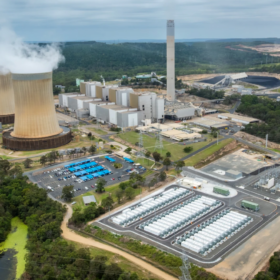
China’s efforts to shift electricity generation from a coal-dominated system to a greener mix of renewables is not only centred on wind, solar and other technologies – the country is also rapidly pursuing energy storage. Vincent Shaw reports from Shanghai.
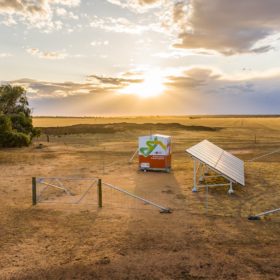
Saturday read: Scaling up standalone power systems
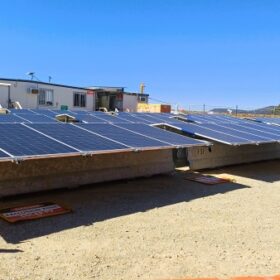
As technology redefines the delivery of network services, grid operators in remote areas the world over are searching for more cost-effective and reliable alternatives to traditional poles and wires. Standalone power systems are the solar application that is at the forefront of the switch, and they’re ramping up fast.
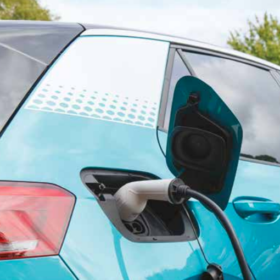
WA to install the country’s longest electric highway
Western Australia will install electric vehicle (EV) stations at 45 new locations, creating a fast charging network spanning more than 3,000kms.
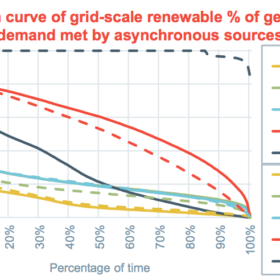
AEMO’s 2025 goal means that SA becomes the proving grounds
The latest news in the NEM is AEMO’s goal to be capable of handling periods of 100% instantaneous renewables penetration by 2025. This is a significant challenge and fitting given the pace the NEM is moving to
supporting increasingly higher levels of instantaneous (and increasingly asynchronous) renewables on a regular basis.
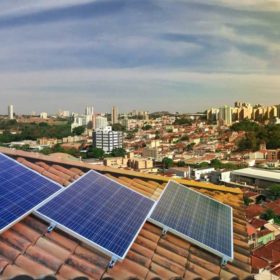
Chasing the sun — tax-free!
The Australian Energy Market Commission (AEMC) has made final a rule that will allow for solar export tariffs to be gradually introduced in the NEM jurisdictions (that is, everywhere except WA and the NT) under limited circumstances in four years’ time.
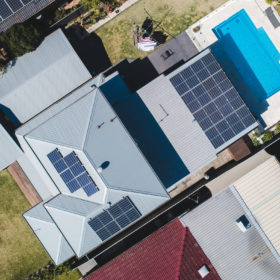
New rules revealed as AEMC aims to transform network into ‘two-way super-highway’
The Australian Energy Market Commission has retained a controversial two-way pricing mechanism in its finalised reforms package which has been designed to better integrate distributed energy resources, such as rooftop solar PV, batteries and electric vehicles into the grid, and transform it into a “two-way super-highway where energy flows in both directions”.
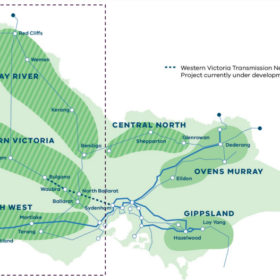
REZ wriggle on – Queensland and Victoria seek input
Both Victoria’s and Queensland’s state governments are moving on their renewable energy zones (REZs) with tight deadlines looming for hopeful projects in Victoria, while further north the government is eager to hear from local communities.
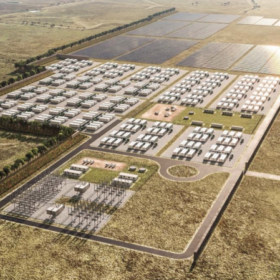
Plans for Victoria’s biggest battery released, 2400 MWh at the junction of three REZs
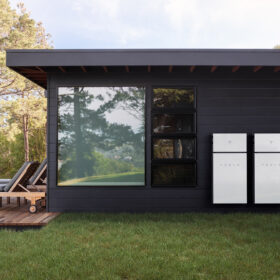
Melbourne-based renewables developer Syncline Energy has revealed its plans for a 600 MW/2400 MWh battery storage project 25 kilometres west of Melbourne city.