SunCable sale complete, company lays out more subdued project scope
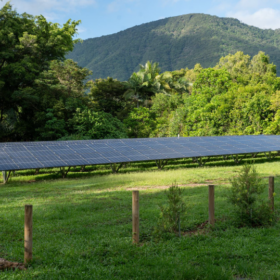
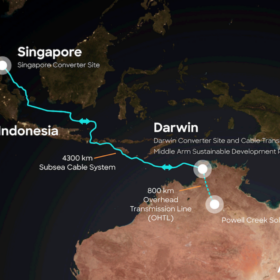
SunCable’s sale to Mike Cannon-Brookes’ Grok Ventures has today been completed, with the company flagging new project elements, including a subsea cable manufacturing and testing facility, as well as reiterating its vision of delivering bulk energy to Singapore via undersea cables.
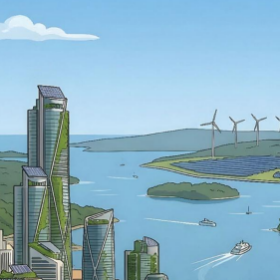
Southeast Asia has technical potential to deploy over 1 TW of floating PV
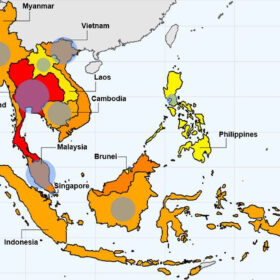
A group of researchers from the US National Renewable Energy Laboratory assessed the potential for floating PV (FPV) plants at reservoirs and natural waterbodies in 10 Southeast Asian countries. It found that the overall FPV technical potential for the region ranges from 477 GW to 1,046 GW.
‘First time’: solar system prices trend into new territory, leads diverge from customers proactivity
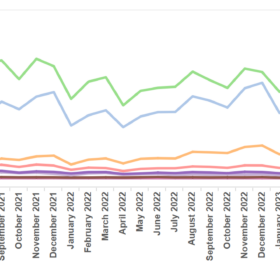
For the first time, 10 kW solar systems have now become cheaper than the 6.6 kW range on a per kilowatt basis, SunWiz analysis has found. Plus, solar lead generation is up even though fewer customers are proactively searching for systems.
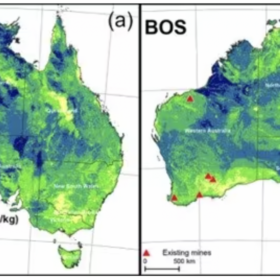
New research finds Australia’s lithium deposits likely extend across eastern states
New research from the University of Sydney pinpointing the concentration and distribution of lithium in Australian soils has found elevated levels in Queensland, New South Wales and Victoria.
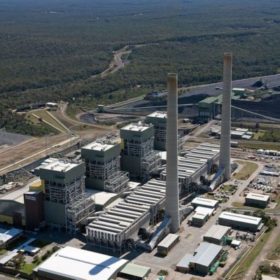
NSW government starts talks to extend life of Australia’s largest coal plant, Eraring
The New South Wales (NSW) government will now “start the conversation” with Origin Energy, owner of the Eraring power station, to keep the coal plant open beyond its scheduled retirement in August 2025.
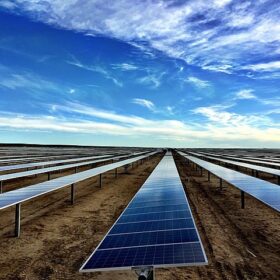
JA Solar to build 5 GW of cell capacity in Vietnam
GCL Technology Holdings Limited reported strong revenue for the first half of 2023, while JA Solar says it will invest CNY 2.72 billion ($578.7 million) in 5 GW of N-type solar cell capacity in Vietnam.
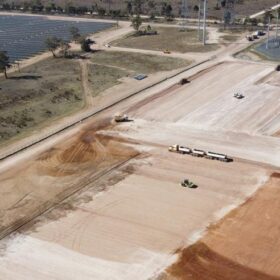
Neoen targets 10 GW portfolio with multi-billion dollar spend
With more than 3 GW of large-scale solar, wind and battery storage capacity in operation or under construction, Neoen is already Australia’s biggest clean energy player but now the French developer is planning to triple its renewables capacity by 2030.
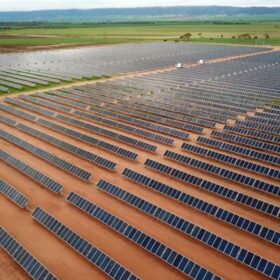
MPower starts building after purchase of 5 MW Narromine project completed
Construction is to commence immediately on a 5 MW solar project being developed at Narromine in western New South Wales as Australian renewable energy developer MPower’s continues to progress its mid-scale solar strategy.
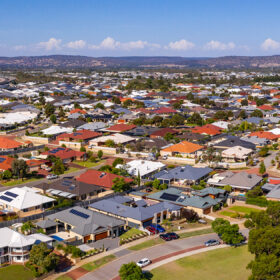
WA looks to modernise electricity sector rules
The Western Australia government has introduced new legislation to parliament as it seeks to integrate distributed energy resources such as small-scale solar and residential batteries more efficiently into the state’s electricity grid.
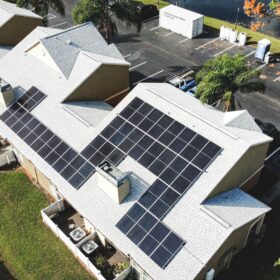
Allume lands $2.3 million to support roll out of Solshare tech in U.S.
Australian solar technology company Allume Energy estimates that its behind-the-meter Solshare platform can help residents in multi-unit buildings save up to 40% on their electricity bills.