Snowy Hydro plans contract reset amid $12 billion cost blowout
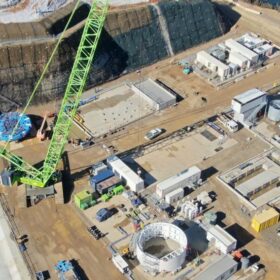
Snowy Hydro has revealed the budget for the Snowy 2.0 project has blown out to $12 billion (USD 7.8 billion) and the giant pumped hydro storage project is now expected to commence operations seven years later than originally scheduled.
AEMO backs 248 GW pipeline to counter reliability challenges
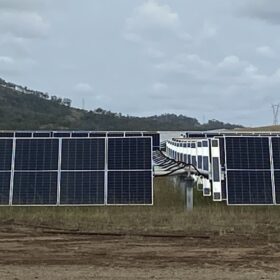
The Australian Energy Market Operator says a 248 GW pipeline of proposed generation and storage projects, transmission developments and government energy programs have the potential to address many of the risks outlined in its latest market forecast – if they are delivered to schedule.
Hydrogen buses less efficient than battery models
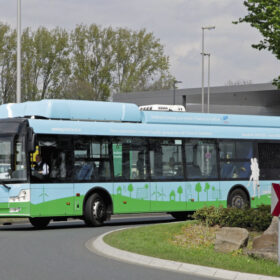
Italian researchers have compared the performance of hydrogen and electric buses in northern Italy. Meanwhile, Australian company Worley has collaborated with Princeton University to devise a 10-point action plan for Europe’s renewable hydrogen sector.
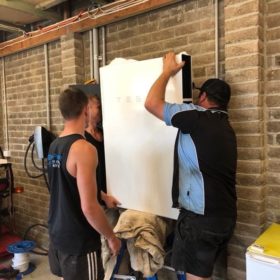
Consumer group debunks residential battery misconceptions
A German consumer protection association, Verbraucherzentrale NRW, has issued a warning about five misleading assumptions about PV-linked residential battery systems.
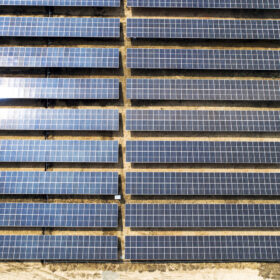
India’s solar installations hit 6.8 GW in H1
India installed 6.8 GW of solar capacity in the first half of 2023, down 15% year on year, according to JMK Research.
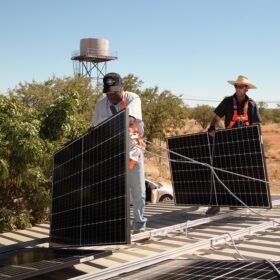
New funding to make microgrids reality for First Nations communities
The development and deployment of renewable energy-based microgrids in First Nations communities in regional and remote Australia is to be accelerated as part of a new $125 million (USD 80 million) program financed by the federal government.

Analyst suggests rule change could reduce battery funding
Energy market analyst Cornwall Insight Australia has flagged that proposed new rules for the operation of big batteries could have negative effects on the energy storage market, suggesting the changes could reduce the revenue streams available to batteries and cut their lifespan.
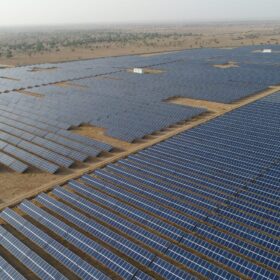
TotalEnergies acquires full stake in Total Eren
TotalEnergies has increased its stake in French renewables giant Total Eren from 30% to 100%, a transaction that values the independent power producer at almost $5.0 billion (EUR 3.5 billion).
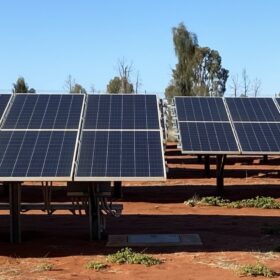
Jacana banks on batteries to smooth solar connection process
Northern Territory government-owned Jacana Energy has opened a tender calling for the private sector to submit proposals to build up to 100 MW of utility scale PV and 30 MW/30 MWh of grid-forming battery energy storage in the Darwin-Katherine region.
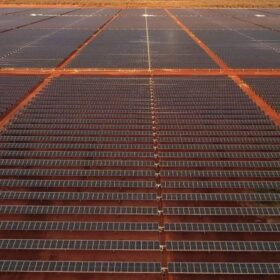
APA to acquire Alinta’s Pilbara assets in $1.7 billion deal
Australian gas infrastructure major APA Group has announced it will purchase Chinese-owned utility Alinta Energy’s remote power assets in Western Australia’s Pilbara region in a deal worth more than $1.7 billion (USD 1.1 billion) as it seeks to reduce its exposure to fossil fuels.