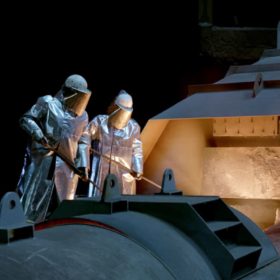
Global electrolyser market to reach 8.5 GW by 2026
GlobalData has predicted that the global electrolyser market will hit 8.52 GW by 2026. BP and Thyssenkrupp have agreed to cooperate on the use of hydrogen in the steel sector, while electrolyser supplier Nel Hydrogen has secured orders in Australia and Denmark
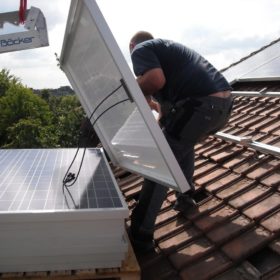
There’s big money in recycling materials from solar panels
Recycling solar panels keeps them out of landfills, but also provides much-needed raw materials with Rystad Energy projecting a value approaching AU$118 billion (US$80 billion) by 2050.
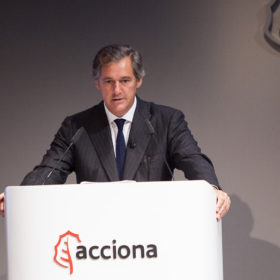
Spanish giant plans $26 billion investment in Australian renewables following government change
Spanish energy and construction giant Acciona plans to massively expand its investment in Australian renewable projects over the next five years, following the new federal government’s pledge to upgrade national electricity transmission networks.
Heat pumps ‘grossly underestimated’ technology for Australia’s decarbonisation
Interest and investment in heat pumps has surged in Europe, but in Australia the technology has struggled to find a serious foothold. Industrial heat pumps could reduce ‘hard to abate’ emissions here by 15 million tonnes per annum by 2050, according to new modelling from the Australian Alliance for Energy Productivity though. Despite the potential, dodgy technology suppliers and schemes gone awry have left a bad taste in Australia’s mouth, CEO Jarrod Leak tells pv magazine Australia.
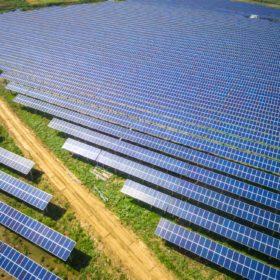
CSIRO tips global influences to stall cost reductions for renewables
Australia’s national science agency has reaffirmed integrated wind and solar PV remain the cheapest new-build electricity generation options but warned inflationary pressures and ongoing supply chain disruptions are likely to stall any further cost reductions for at least 12 months.
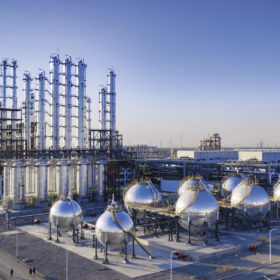
No let-up in sight for polysilicon price hikes
A prominent analyst in China expects the price of the solar panel raw material to pass CNY 300 (AU$65.5) per kg soon and says the sky-high prices will continue at least through September.
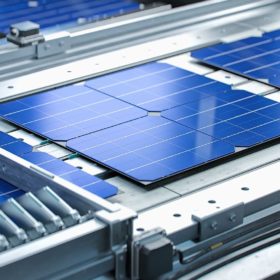
IEA warns one-third of global PV manufacturing capacity at risk of bankruptcy
A new report from the International Energy Agency stresses the importance of geographically diversifying the global PV supply chain. This would prevent supply chain vulnerability to bankruptcies and underinvestment.
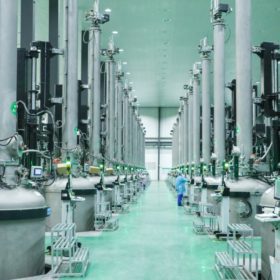
JinkoSolar commissions 20 GW n-type ingot fab
In other news, DAH Solar announced a 5 GW TOPCon solar module factory in Anhui province and Tongwei further raised the prices of its solar cells.
Battery minerals help drive resources exports to new records
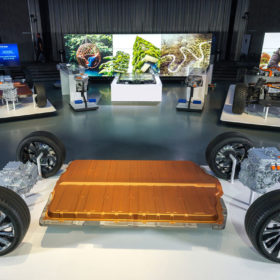
Global efforts to build energy and transport systems based on lower-emission sources are expected to drive Australia’s mining and energy export revenues to record highs of more than $400 billion for a second consecutive year.
Weekend read: behind Australia’s green swell
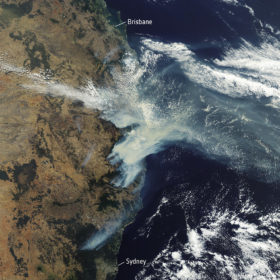
In May, Australia voted out its conservative government, which had held power for almost a decade. Instead, it turned to Labor, female independents, and minor parties with far greater climate ambitions. In short, it shifted to an entirely different approach to politics.