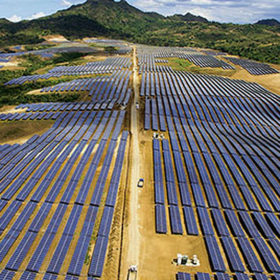
Philippines allocates 1.57 GW of solar in 2 GW renewables auction
The main winner of the first renewables auction in the Philippines was developer Solar Philippines Nueva Ecija Corp. (SPNEC), which secured five solar projects, or 1.35 GW of capacity.
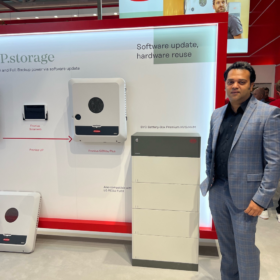
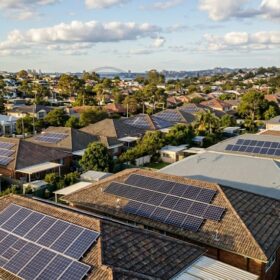
2021 snapshot: Australia’s distributed PV and storage uptake
Australia’s small-scale solar and battery energy storage installation rate has remained robust in the face of a number of challenges. By virtue of this resilience, it is adding jobs and contributing the country’s decarbonisation, reports Nikhil Jayaraj, the Managing Director of Regen Power.
Longi unwraps reasons behind green hydrogen shift
In recent years, Longi has turned its attention to green hydrogen. Li Zhenguo, company founder and CEO, speaks with Vincent Shaw in Shanghai about the strategic shift and how coupling this technology with solar PV will be key to achieving carbon neutrality.
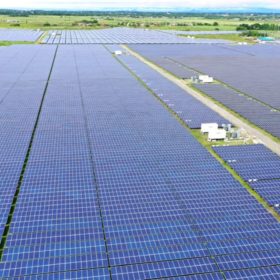
Philippines approves 24 bidders for 2 GW renewables auction
Eight of the 24 bidders in the latest renewables auction in the Philippines are focusing on solar, along with eight bidders looking at wind, seven linked to run-of-river hydro, and one connected to biomass.
Solar auctions in India to attract large developers
A new report shows that renewable energy companies will continue to compete in upcoming auctions in India, undeterred by challenges such as rising materials costs and surging interest rates.
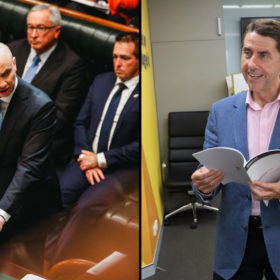
NSW & Queensland budgets handed down, both link clean energy investments to prosperity
Both New South Wales (NSW) and Queensland handed down their 2022-23 state budgets on Tuesday pushing the line that clean energy investments would lead the states to future prosperity.
First community-owned retailer goes into administration due to ‘diabolical’ energy crisis
Australia’s first community-owned electricity retailer, Enova Energy, has gone into voluntary administration, claimed by the ongoing energy crisis unfolding in Australia’s east.
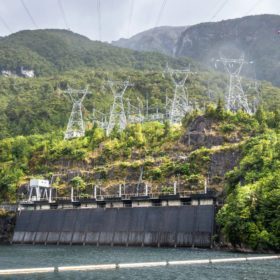
Two Australian companies left vying for giant $4.5b green hydrogen project in NZ
Fortescue Future Industries and Woodside have been selected as the two finalists in the race to develop what could be one of the world’s largest green hydrogen projects, a 600 MW facility in New Zealand’s Southland.
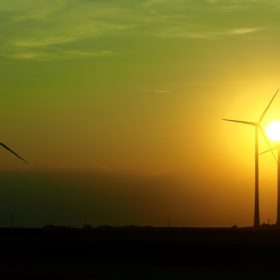
Tenders for floating PV, storage, hybrid wind-solar projects in India
Solar developers have until July 15 to express interest in developing 105 MW of grid-connected floating solar in the Indian state of Maharashtra.
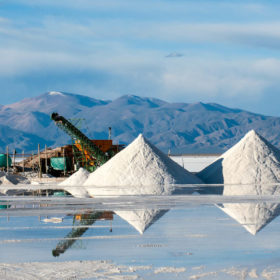
Battery metals: How quickly can supply ramp up?
A couple of weeks ago, Goldman Sachs sent shockwaves through battery metals markets, issuing a prediction that cobalt and lithium in particular were due for a sharp price decline in the next two years. But London-based Benchmark Mineral Intelligence is loudly pushing back, outlining its reasons why it believes the call on lithium was wrong. Meanwhile, US analyst Wood Mackenzie says that the battery raw material chain will remain tight, but notes that recycling could help to ease the supply deficit.