EU approves Eon’s bid to take over Innogy
It took a while, but now the energy giants can finalize the mega deal. Rival energy companies have criticized approval of the deal amid fears Eon could dominate the German market.
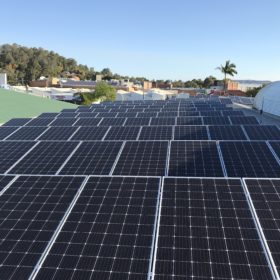
Another Victoria solar rebate offering taken up in minutes
September’s second round offering was snapped up in under half an hour, signaling there is still a long way to go before supply catches up with demand.
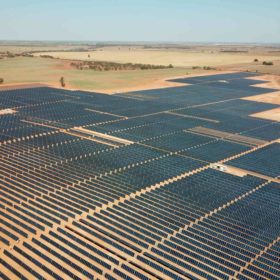
Victoria introduces new solar farm guidelines to all planning schemes
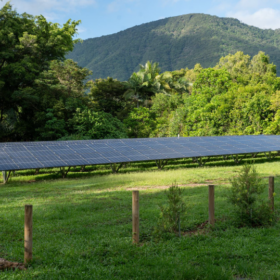
New planning guidelines for large scale solar development in Victoria are now part of all state planning schemes. The Victorian government hopes to deliver consistent guidance in terms of choosing the right locations for solar development and encourage investment as it moves towards its 50% renewables goal by 2030.
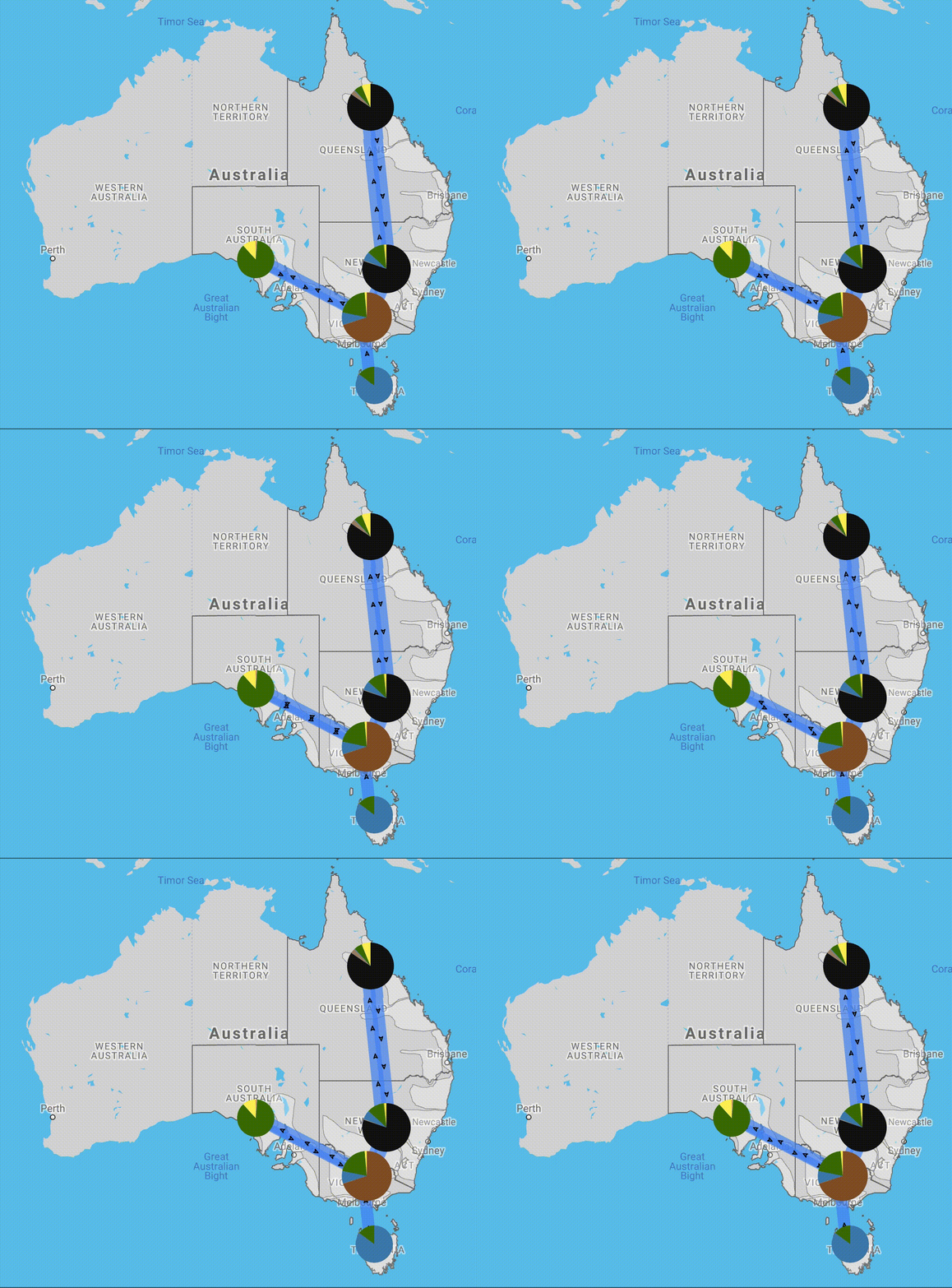
ITP Renewables releases free open-source modelling platform for the energy transition
ITP Renewables has released Version 1 of open-CEM, an open-source modelling platform that allows users play out tailored made energy-transition scenarios on the National Electricity Market (NEM) for years simulated up to 2050. The platform is an extraordinary tool for investors, policy makers, project developers and the public.
VB has a hard earned thirst for solar PV
Carlton & United Breweries’ (CUB) iconic Aussie beer Victoria Bitter (VB) is shifting to solar energy in 2020. The brewer made the announcement in typical fashion, with an iconic ad campaign.
ACT to phase out natural gas, pursue electrification of transport
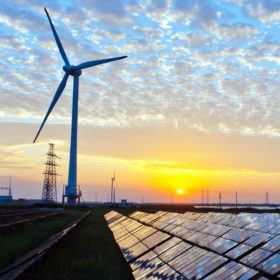
After it had contracted enough generation to future-proof its 100% renewables target, the Australian Capital Territory has unveiled the next phase of its strategy towards zero net emissions with several nation-first policies.
Sunovate, like the hot air it puts to good use, is on the rise
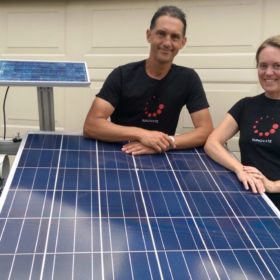
After celebrating Sunovate’s first demo project, pv magazine Australia sat down with Co-Founder and Managing Director Cesira Leigh to talk all things Sunovate, how the rising Aussie solar PV innovator came to be, and where it’s going.
ACT includes big battery in new wind, solar auction
The Australian Capital Territory Government has announced it will contract for the construction of up to 250 MW of new renewable energy generation and 20MW/40MWh of battery storage as it seeks to pave the way for the electrification of buildings and transport.

The energy transition is easily affordable but all hope of 1.5C warming will vanish in 2028
Technical consultancy DNV GL has published its Energy Transition Outlook 2019. While the electric vehicle, storage and renewable energy industries are likely to see significant rises in demand, the sobering conclusion is the world will miss carbon reduction targets by a long shot.
Massive hybrid renewable energy plant + storage set for South Australia
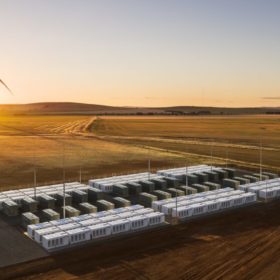
French renewable developer giant Neoen has announced plans for a massive hybrid power plant in South Australia featuring 1200 MW of wind, 600 MW of solar and 900 MW of battery storage. The project will depend heavily on the SA-NSW interconnector.