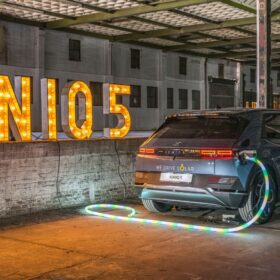
EV sharing to provide stationary storage services via V2G tech
We Drive Solar and MyWheels have announced plans to transform the Dutch city of Utrecht into the world’s first municipality with a “neighbourhood battery on wheels.” The system will feature 25 Ioniq 5 vehicles equipped with vehicle-to-grid (V2G) tech from Hyundai Motor.
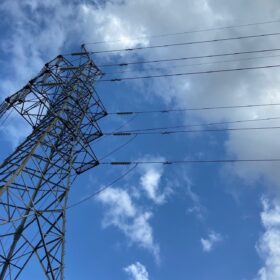
Central-West Orana REZ reaches transmission infrastructure milestone
Australia’s first coordinated renewable energy zone is a step closer to realisation with the environmental impact statement for the transmission infrastructure required to connect at least 3 GW of new clean energy generation capacity to the national grid now open for public scrutiny.
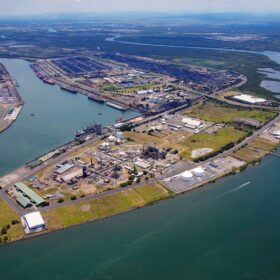
Origin lands $45 million to progress Hunter Valley hydrogen hub
Origin Energy has secured a $45 million (USD 28.7 million) commitment from the New South Wales government to advance the development of a commercial-scale green hydrogen manufacturing hub on Kooragang Island near Newcastle.
Solar industry should focus on virtual power plants, says US official
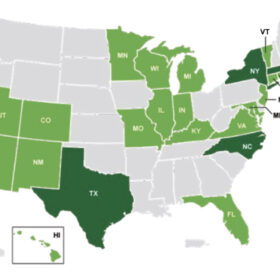
Solar industry veteran Jigar Shah, the director of the US Department of Energy’s (DoE) Loan Programs Office, says that virtual power plants are the path to success, as solar net metering now faces an uncertain future.
Telstra signs offtake deal with 120 MW Queensland solar farm
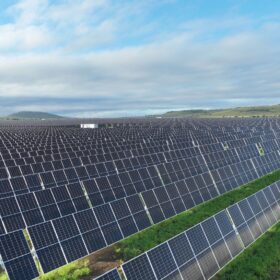
Australian communications giant Telstra has signed a power purchase agreement that will support the development of the 120 MW Munna Solar Farm being built near Gympie in southeast Queensland.
Works packages released for $5 billion transmission project
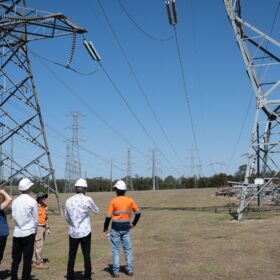
Queensland network operator Powerlink has released 40 works packages for suppliers to express their interest in working on the CopperString transmission link that is to stretch across the state’s north, helping to unlock large-scale solar and wind investment along with large deposits of minerals key to the energy transition.
Hydrostor strikes deal for Australia’s first compressed air energy storage facility
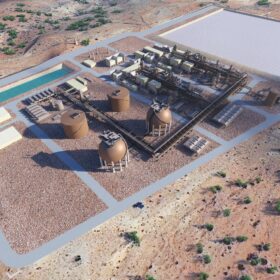
Hydrostor has penned a deal with Australian miner Perilya to build a 200 MW/1,600 MWh advanced compressed air energy storage facility in a disused mine cavity near Broken Hill in western New South Wales.
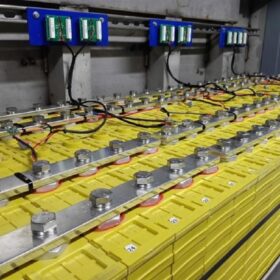
Not all ‘lithium-ion’ batteries carry the same risks
As the energy storage trend unfolds, stories litter the media landscape about lithium-ion batteries catching fire, and even exploding. It’s a valid concern, and the time for consumers to understand a basic truth about lithium-ion batteries is long past due.
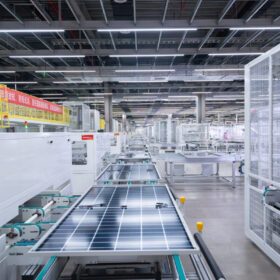
Australia in midst of solar market shakeup with TW Solar entrance, historic global pricing plunge
Australia’s solar market and pricing has been shaken up in recent months with the entrance of Tongwei Solar. Compounding this is the global free fall in panel pricing, which solar analyst Warwick Johnston says is yet to properly hit Australia. “There’s super cheap panels that are coming through and everyone will have to adjust their prices accordingly,” he says.
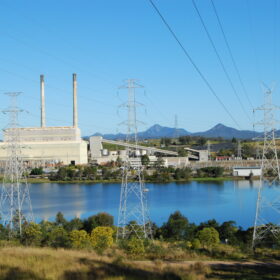
Queensland’s CleanCo opens EOIs for 1.2 GW clean energy hub near Brisbane
Queensland’s CleanCo has opened expressions of interest to renewables projects wanting to participate in the transformation of its former coal-fired Swanbank power precinct to a clean energy hub.