Xodus announces 1 GW green hydrogen project for WA
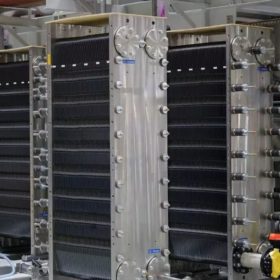
Energy consultancy Xodus Group has announced plans to develop an export-scale green hydrogen project in the Mid-West region of Western Australia which will scale up to 1 GW of electrolyser capacity.
Tindo’s sales skyrocket as consumers turn to homegrown solar
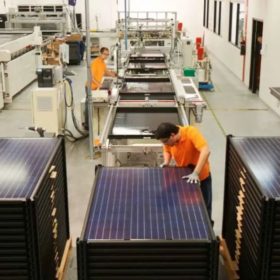
Australia’s only solar panel manufacturer, Tindo Solar, has announced a doubling of sales for both solar panels and battery storage in recent months. The manufacturer attributes the boom to the concatenation of rising energy costs, a potential recession, and increasing consumer awareness about the importance of buying quality products.
Weekend read: the scramble for lithium
Electric vehicle and stationary energy storage companies have experienced battery cell shortages this year. InfoLink predicts overcapacity in 2024, but the concentration of production in China means customers elsewhere are mulling deals with miners.

AEMO rolls out roadmap to 100% renewables
With Australia’s energy system rapidly transitioning from a traditional dependency on coal-fired power generation towards a future built on renewables, the market operator has detailed the engineering roadmap required for the country’s main power systems to operate on 100% renewable energy more frequently and for longer periods.
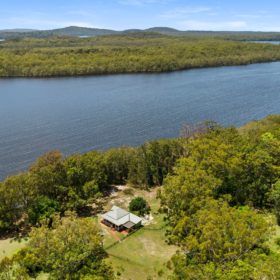
NSW holiday cottage home to green hydrogen SAPS trial
A holiday house in New South Wales is thought to be the first residential property in Australia to make the switch to a hybrid solar and green hydrogen standalone power system with network service provider Essential Energy trialling the off-grid technology.
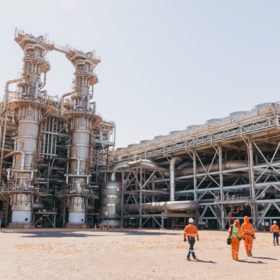
Woodside lands agreement for 50 MW solar project in WA
Woodside says it has secured an agreement with the traditional owners for land on which it plans to build the first 50 MW stage of what could eventually expand to be a 500 MW solar power plant in the Pilbara region of Western Australia.
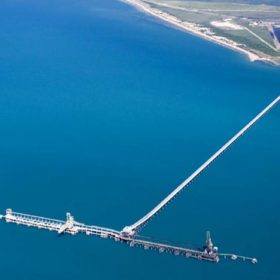
International consortium accelerates green ammonia export plans
Australian renewables developer Energy Estate has signed a consortium of “globally recognised partners” to accelerate the development of a large-scale green hydrogen and ammonia production and export facility in north Queensland.
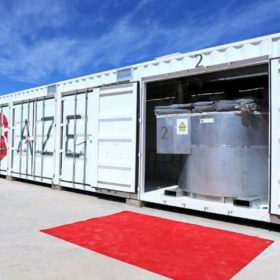
Molten aluminium storage startup enters Australian market, apparently
In a decidedly confusing announcement, Swedish molten aluminium storage startup Azelio says it has secured a conditional order from relatively unknown Australian company MPG Built. Azelio says the order will see it provide “energy-as-a-service” using five of its TES.POD storage units combined with solar power.
Environmental approval paves way for integrated graphite supply chain
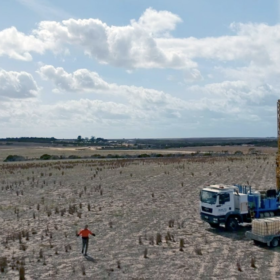
Environmental approval from the government of South Australia means Renascor Resources is now a step closer to realising its integrated graphite supply chain. Graphite is a key component in lithium-ion battery production and Renascor’s South Australian deposit is considered the largest outside of Africa.
Woodside selected to deliver NZ green hydrogen megaproject
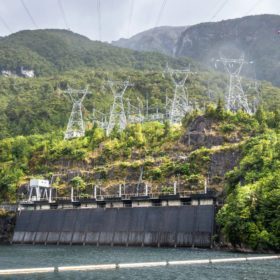
Woodside has won out over Fortescue Future Industries to deliver the proposed Southern Green Hydrogen megaproject in New Zealand’s Southland. The 600 MW project intends to produce green hydrogen for export using power from partner Meridian Energy’s hydroelectric plant.