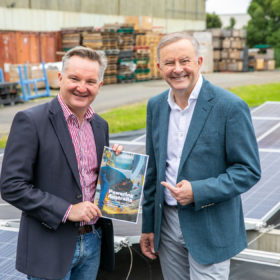
Chris Bowen’s in the climate change and energy hot seat, time to cool it down
Newly elected Prime Minster Anthony Albanese has announced Chris Bowen as the new Minister for Climate Change and Energy. Entering office with a climate crisis, surging energy prices and an electricity grid in transition, Bowen has his hands full.
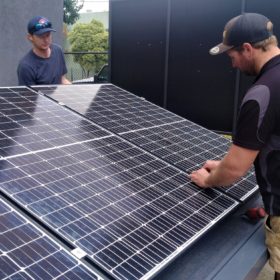
OpenSolar launches online platform for Australian solar installers
Australian software company OpenSolar has teamed with renewable energy engineering consultancy, education and training provider Global Sustainable Energy Solutions to launch an online “academy” that offers solar installers a one-stop shop for running their business while securing and maintaining Clean Energy Council accreditations.
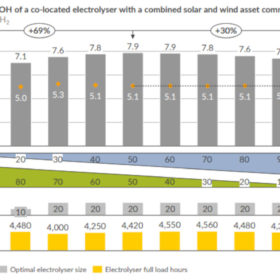
Green hydrogen price may drop to $7.5/kg by 2025
Aurora Energy Research says in a new report that maximum green hydrogen project profitability could be achieved when solar and wind power plants are combined with electrolysers.
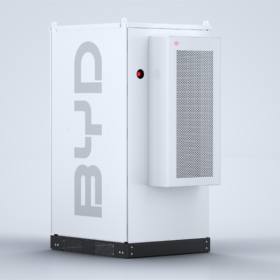
BYD launches new C&I battery
Chinese battery manufacturer BYD has launched an expanded portfolio of energy storage systems designed for the commercial and industrial solar markets. At The smarter E in Munich last month the company also provided a sneak peak at a new high-voltage storage system expected to be launched later this year.
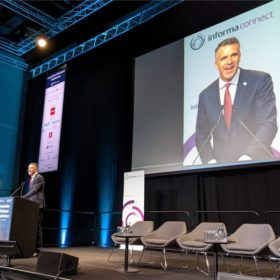
SA launches market sounding for major Whyalla project, plans hydrogen regulation framework
The newly elected South Australian premier Peter Malinauskas has today launched the market sounding for its hydrogen production facility near Whyalla, as well as the introduction of legislation to regulate hydrogen production, storage and transportation.
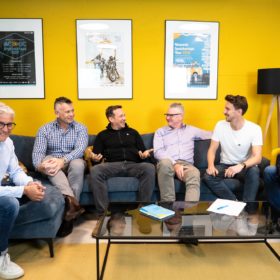
Melbourne-based 8 Star Energy set to shine in Europe
Melbourne-based 8 Star Energy has been announced as a distribution partner alongside Germany-based Memodo as world leading battery brand Energizer launches its Energizer Solar PV portfolio across Europe.
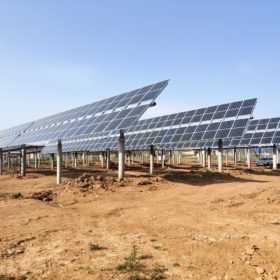
Trina Solar’s pathway to TOPCon
Trina Solar will eventually start selling TOPCon and heterojunction products, even though it built its first large-scale TOPCon project four years ago. The company says it is now making progress on TOPCon module production, despite supply chain issues.
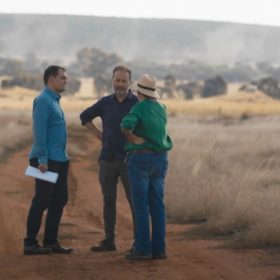
Developers launch crowd-funding campaign to finance NSW solar farm
Community solar developer Komo Energy is describing it as an “Australian first” after launching a crowd equity funding campaign to help finance the construction of the planned 1.7MW battery ready Grong Grong Solar Farm being developed in the Riverina region of New South Wales.
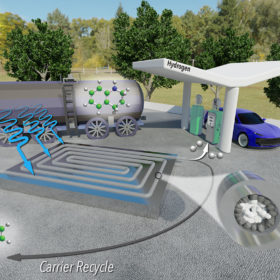
Novel tech for extracting hydrogen gas from liquid carriers
North Carolina State University (NCSU) has developed an energy-efficient strategy for room-temperature hydrogen release from liquid hydrogen carriers, which uses less rhodium. Elsewhere in the world, Airbus launched its Zero Emission Development Centre in the UK, Toshiba ESS teamed up with Fusion Fuel to target Australian and European markets, and Corfo signed agreements to finance three renewable hydrogen projects with GNL Quintero, iCAP, and Air Liquide in Chile.

Victoria urged to go ‘faster, further’ in race to 100% renewables
A parliamentary committee has recommended the Victorian government explore options to allow greater integration of distributed energy resources, including rooftop solar PV into the grid as climate activists urge the state to ramp up its renewable energy ambitions.