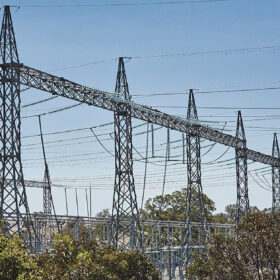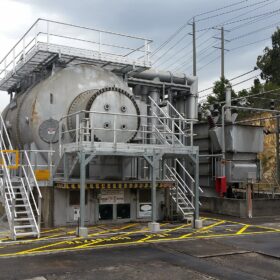
Transgrid uses synchronous condensers for network stabilisation
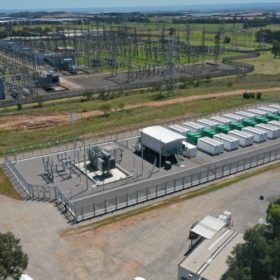
The high-voltage grid transmission operator said the condensers will be deployed at five strategic sites across New South Wales.
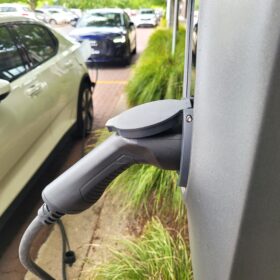
Victoria trials kerbside EV chargers for network constraint management
A ring-fencing waiver has been issued to electricity distributors CitiPower, Powercor and United Energy, to enable a kerbside electric vehicle charging trial in Victoria until mid-2031, which will include at least 5% vehicle-to-grid chargers.
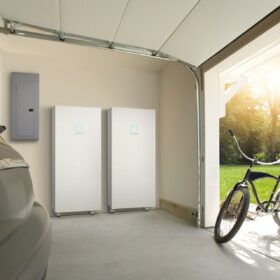
2 GWh of home battery storage delivered in less than four months
In less than four months since 1 July 2025, the Australian government’s Cheaper Home Batteries program has directly increased home battery capacity across the country by more than 50% and delivered 2 GWh of battery storage through 100,000 installations.
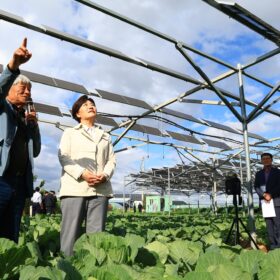
South Korean government developing agrivoltaic legislation
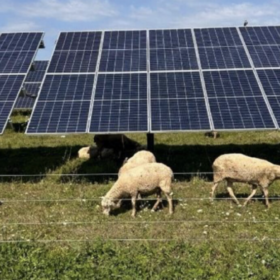
South Korea has announced plans to introduce legislation by 2026 to expand the deployment of agrivoltaics, enabling broader use of solar panels on agricultural land.
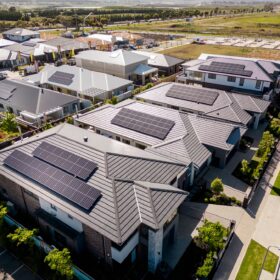
New Zealand introduces building consent exemption for rooftop solar
The New Zealand government has brought into force that a building consent is not required to install rooftop solar panels on any building, though conditions apply and installations must comply with the country’s building code.
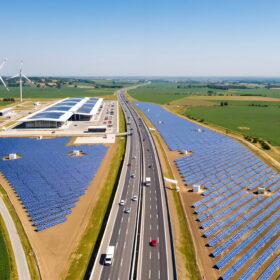
China expands highway solar as provinces race to decarbonise transport
China is rapidly installing PV along highways, combining slopes, tunnels, and service areas to generate renewable electricity and cut transport-sector emissions.

White elephant? Hardly – Snowy 2.0 will last 150 years and work with batteries to push out gas
When Snowy 2.0 is in the news, it’s usually about money. The cost of the huge project has gone well beyond the initial $6 billion estimate and will now cost more than $12 billion.
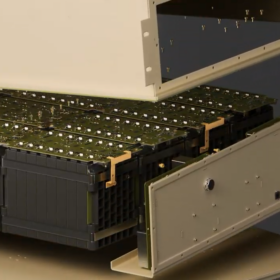
Relectrify next-gen storage system fast tracked with $25 million ARENA backing
Victoria-headquartered battery technology company Relectrify has received $25 million ARENA backing to help deploy it’s CellSwitch inverterless technology, which promises to deliver 20% more energy over a battery system’s lifetime.

New Zealand fast tracks 200 MWh solar-plus-storage project
A 179 MW solar farm and 100 MW / 200 MWh battery energy storage project planned for the North Island of New Zealand has won approval from an independent panel, with a commercial decision now able to take place if the project remains viable in light of conditions applied to the build and operation.
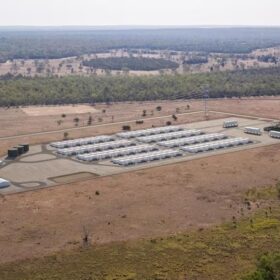
Market backs big batteries as coal exit continues
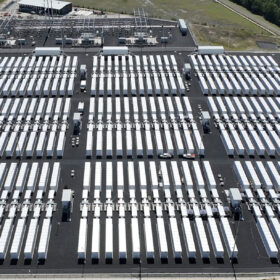
Utility-scale batteries are rising to the challenge of guaranteeing network reliability as the clean energy transition continues, with Australia having now surpassed the United Kingdom to become the third-largest market for large-scale battery energy storage systems globally, behind China and the United States.