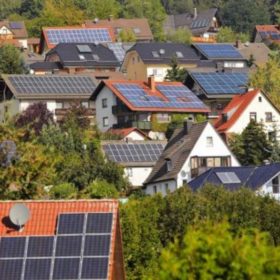
Four ways to stop Australia’s surge in rooftop solar from destabilising electricity prices
Last year saw Australians install rooftop solar like never before, with 40% more installed in 2021 than in 2020. Solar system installations now make up 7% of the energy going into the national electricity grid.
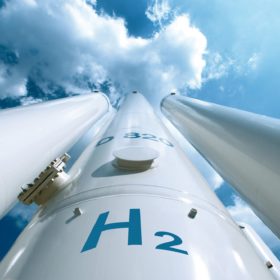
Green hydrogen is coming – and these Australian regions are well placed to build our new export industry
Australian green hydrogen production for export and domestic use could generate more than $50 billion in 2050 but how close are we really to a green hydrogen industry? And which states are best placed to host it? Swinburne University of Technology senior research fellow Steven Percy examines Australia’s green hydrogen marketplace.

Five things every solar expert should know about EV charging
Having working in the Australian solar industry for more than a decade, Dane Muldoon recently moved into the world of electric vehicles and fast charging, joining Tritium. These are the five most surprising things he’s learned since changing industries.

‘Don’t Look Up’: Hollywood’s primer on climate denial illustrates 5 myths that fuel rejection of science
Every disaster movie seems to open with a scientist being ignored. ‘Don’t Look Up’ is no exception – in fact, people ignoring or flat out denying scientific evidence is the point.
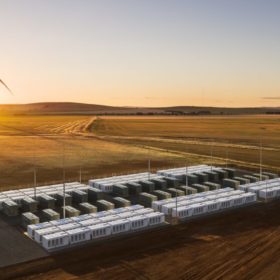
Don’t look back in anger: are peaking assets taking advantage of 5-minute price spikes?
Building on our previous Chart of the week in October, where we reviewed the first couple of weeks of 5-minute settlement, we wanted to revisit this topic. Now two months in, we take another look and see how well the fastest responding assets in the NEM are capturing the best prices in the 5-minute market.
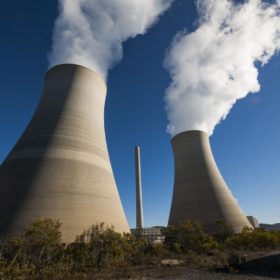
End of coal is coming three times faster than expected. Governments must accept it and urgently support a ‘just transition’
Coal is likely to be completely gone from Victoria’s electricity system by 2032 with most other parts of Australia not far behind, a report from the Australian Energy Market Operator declared last week.
SA batteries paid to charge as solar sends electricity prices negative
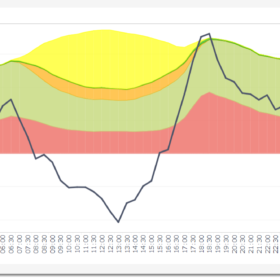
Batteries in South Australia have been paid to charge throughout September and October 2021 due to a record number of negative price intervals. Wholesale electricity prices were negative almost 40% of the time.
Ensuring quality in Australia’s prospering utility-scale segment
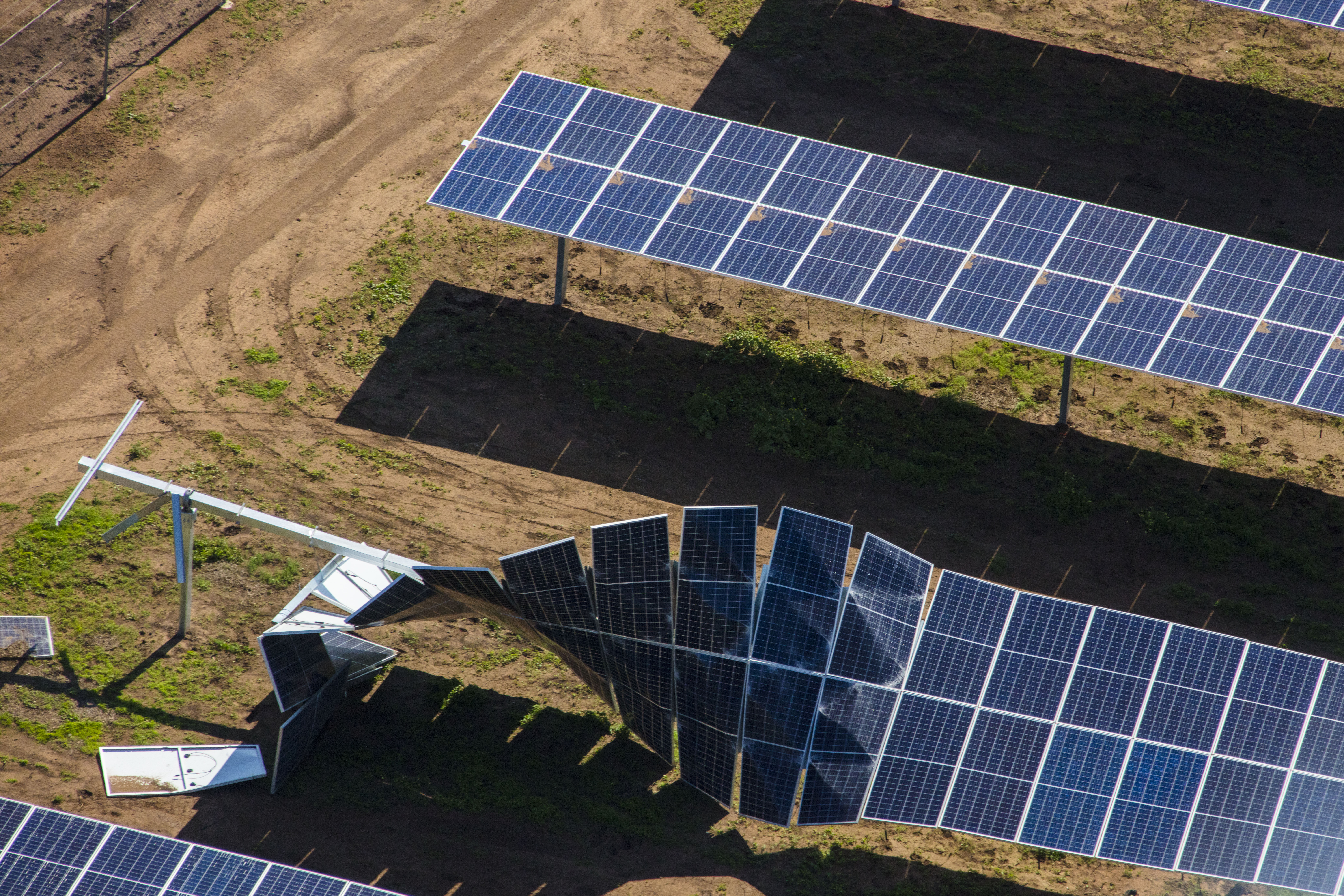
Quality assurance and testing of solar farms is vital worldwide, but particularly in Australia where projects tend to be bigger and the climate more severe. Hugo Silva, Global Sales Manager at Enertis Applus+, takes a look at the different stages of testing and why they are an investment that will yield returns.
Most Australian households are well-positioned for electric vehicles – and an emissions ceiling would help
Many people believe Australia’s shift to electric vehicles is stuck in the slow lane – another strollout, rather than a rollout. But while federal policies are still lacklustre, most Australians themselves are ready for the shift, according to our recent research.
We must rapidly decarbonise road transport – but hydrogen’s not the answer
Hydrogen has been touted as the fuel of the future, and the technology features prominently in the Morrison government’s plan to reach net-zero emissions by 2050.