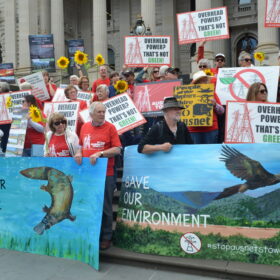
The human factor: why Australia’s net zero transition risks failing unless it is fair
This article is part of a series by The Conversation, Getting to Zero, examining Australia’s energy transition.
Weekend read: Feeding the appetite for low-carbon food
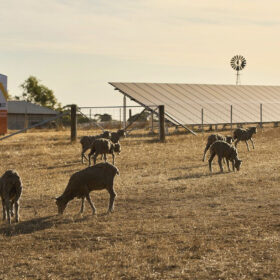
Australia’s vast distances make the supply of electricity via traditional grids expensive and even dangerous. With demand growing for agricultural goods produced with low-carbon emissions, solar and energy storage is being embraced even by skeptical farmers.
Subsidised charging kit for commercial EV fleets launched with ARENA support
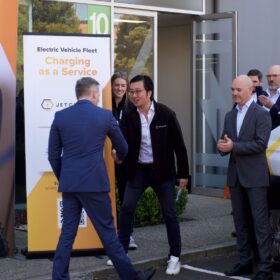
Melbourne-based company JET Charge has today launched its ‘Charging as a Service’ initiative, a subsidised and subscription-based electric vehicle charging solution for commercial fleets supported by ARENA.
Panasonic launches heat pump hot water system in Australia
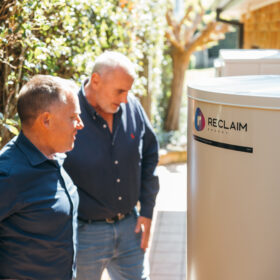
Panasonic and Reclaim Energy have partnered to launch a heat pump hot water system to the Australian market, claiming it is up to five times more efficient than gas or traditional electric heating.
Renewable Metals to scale up battery recycling ambitions
Australian battery recycling startup Renewable Metals intends to scale and commercialise its lithium-ion battery recycling technology that converts battery waste into high-value battery metals after closing an $8 million (USD 5.08 million) investment round.
WA ushers in major reforms to support transition on its main island grid
A package of major regulatory and market reforms designed to support Western Australia’s energy transformation have gone live. The changes relate to the state’s main islanded grid, known as the SWIS.
Lithium hydroxide from recycled batteries used to make Dragonfly’s cells
Dragonfly Energy is using lithium hydroxide recovered from recycled batteries to manufacture battery cells, with Aqua Metals leading the way in recycling solutions for materials in the supply chains for energy storage and electric vehicles.
QPM advances financing for $2.1 billion battery materials plant
Queensland Pacific Metals has upgraded the focus of its finance strategy as it works towards a final investment decision for the $2.1 billion (USD 1.35 billion) fully approved battery materials project being developed near Townsville in northern Queensland.
How long do residential solar batteries last?
Multiple factors affect the lifespan of residential battery energy storage systems. We look at the lifespans of batteries in the third part of this series.

Fortescue moves forward with hydrogen project in Prince George
Fortescue Future Industries (FFI), owned by mining giant Fortescue Metals, has submitted a proposal for a green hydrogen and ammonia production facility project in Canada’s British Columbia. Dubbed ‘Project Coyote’ the facility would be located in the city of Prince George in the centre of the Canadian province.