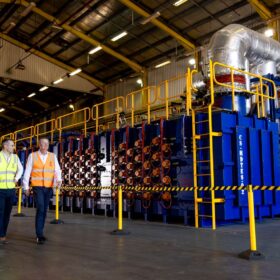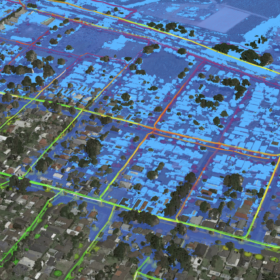
Neara infrastructure modelling offers disaster blackout fatigue solution
More than 300,000 residents in Queensland and northern New South Wales were left without power earlier this month after Cyclone Alfred battered the region, prompting Sydney-based infrastructure management solutions company Neara to say current energy models are no longer viable in an increasingly volatile climate.
Search for New England REZ network operator begins
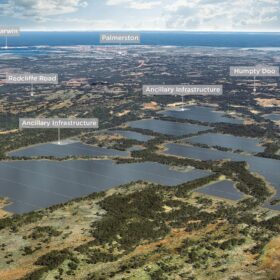
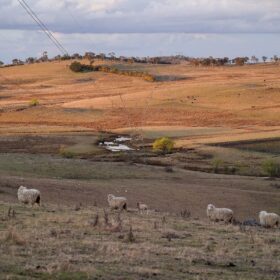
Australia’s largest planned renewable energy zone has reached another milestone with the New South Wales government launching the search for a network operator to help deliver the New England REZ that is to provide at least 8 GW of new network capacity.
Gentari gives go-ahead for DC-coupled solar and storage
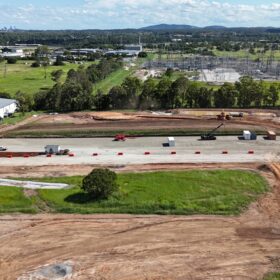
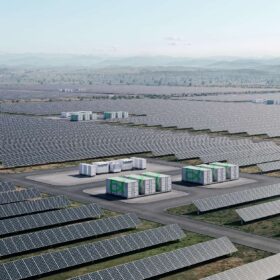
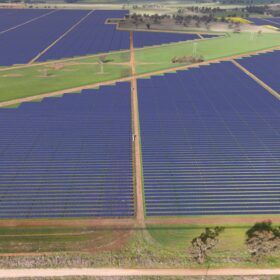
Construction of the Maryvale Solar and Energy Storage project is set to begin in the coming weeks with renewables developer Gentari pressing go on the DC-coupled hybrid project being built in central western New South Wales.
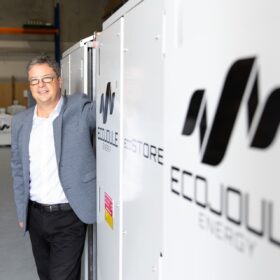
EcoJoule lands $15 million to support expansion strategy
Voltage control specialist EcoJoule Energy has banked $15 million in capital it says will underwrite the company’s global expansion and support the wider deployment of technology designed to help stabilise the electricity grid as it adjusts to increasing levels of solar capacity.
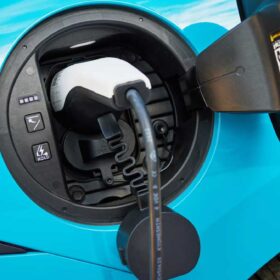
EV owners turn to vehicle-to-load capability to counter blackouts
The merits of Australia’s growing electric vehicle fleet are on display in Queensland and northern New South Wales where hundreds of thousands of residents remain without power in the wake of Tropical Cyclone Alfred.
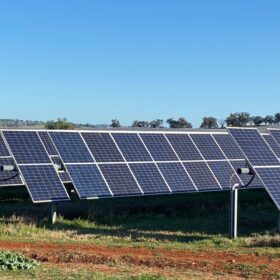
Government accelerates approval process for 25 GW of priority renewables projects
More than 16 GW of solar and wind generation and approximately 6 GW of energy storage projects could benefit from an accelerated environmental approvals process as the Australian government works to deliver critical infrastructure needed to achieve its clean energy targets, including 82% renewable electricity by 2030.
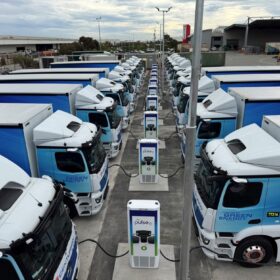
Freight provider rolls out electric trucks on metro routes
National transport and logistics company Centurion has added 20 battery-electric trucks from Daimler to its fleet with the new heavy vehicles powered using energy from a 4.4 MW rooftop solar installation and 10.3 MWh battery.
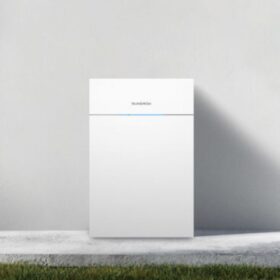
Sungrow unveils 5 kWh home battery system
Sungrow’s new residential battery energy storage system features a compact 182 mm design and is capable of handling a maximum charge/discharge current of 50 A.

Taslink plans deep-sea cable to connect Australia and NZ grids
New Zealand venture Taslink has announced ambitions plans to build a 2 GW to 3 GW capacity high-voltage cable linking Australia and New Zealand to facilitate the day-to-day trading of electricity between the two nations.
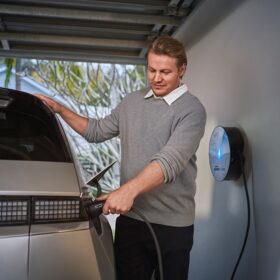
‘A house battery you can drive around’: how a handful of Australians are selling power from their cars back to the grid
Our cars sit unused most of the time. If you have an electric vehicle, you might leave it charging at home or work after driving it. But there’s another step you could take. If you have a bidirectional charger, you can set it to sell power back to the grid when demand is high.