Horizon taps Pacific to power Exmouth with 80% renewables
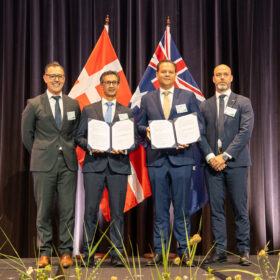
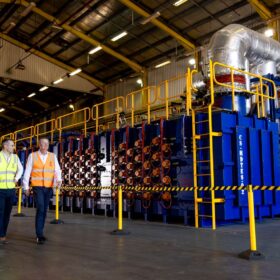
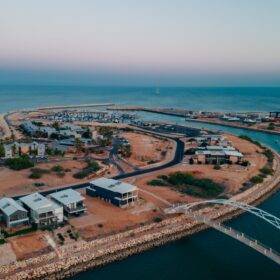
Remote power supplier Pacific Energy has signed a multi-year agreement with West Australian regional energy provider Horizon Power to supply the popular tourist town of Exmouth with up to 80% renewable energy every year for the next 20 years.
IEA calls for stronger solar, wind integration measures
The International Energy Agency’s latest report warns that failing to support integration at the point of deployment could jeopardise up to 15% of solar and wind projects by 2030. This shortfall would reduce their combined share of the global electricity mix by 5%.
GridBeyond AI platform manufactures optimal grid integration of renewables
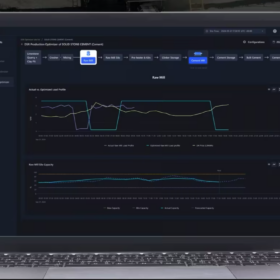
Ireland-headquartered technology company GridBeyond has launched an AI-driven platform that optimises manufacturing plant energy costs, asset load and on-site generation or storage technologies.
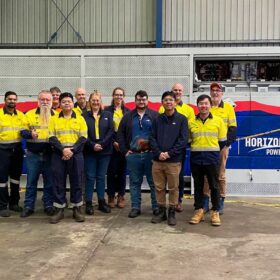
Factory testing marks milestone for AVL value-adding vision
Australian Vanadium Limited has achieved another milestone in its ‘pit to battery’ strategy with the successful deployment of its vanadium electrolyte in a 78 kW / 220 kWh flow battery.
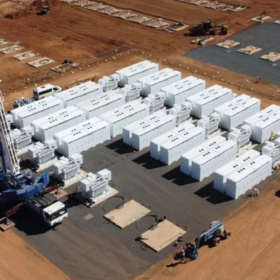
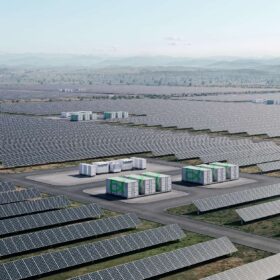
Western Australia grants co-located storage works licence exemption
In an effort to support the adoption of low-emissions electricity supplies in Western Australia’s South West Interconnected System, the state’s government has extended distribution and transmission licence exemptions to include co-located storage.
Major electricity retailers join Ausgrid flexible resources pricing trial
An electricity pricing model trial that dynamically generates costs through a virtual power plant to unlock benefits for and from consumer energy resources has been expanded beyond its initial 200 participants.
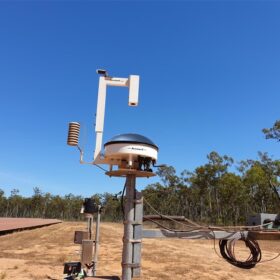
French forecast service targets Australian solar
With Australia’s clean energy transformation ramping up, French solar energy and weather forecasting service provider Reuniwatt has unveiled plans to expand its operations in the country with the focus to include large-scale PV projects.
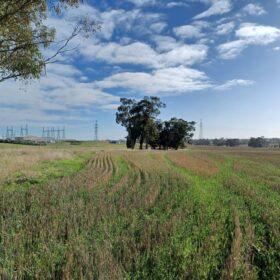
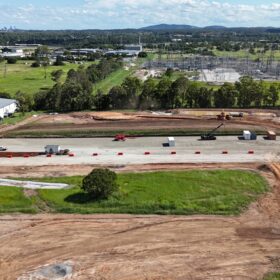
Victoria gives nod to 700 MWh battery project in nine weeks
The first battery energy storage project has been approved under the Victorian government’s streamlined renewable energy planning process, with the state signing off on a 350 MW / 700 MWh project being developed by ACEnergy in the Wimmera region.
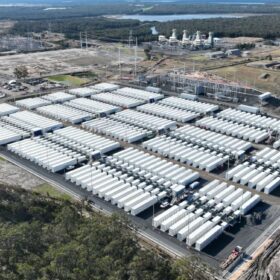
Waratah Super Battery completes first energisation stage
Battery storage developer Akaysha Energy says it has completed the first stage of energisation for the 850 MW / 1,680 MWh Waratah Super Battery that will help stabilise the New South Wales grid during the state’s transition from coal-fired power.
Future clean energy investment vital for grid reliability: AEMO report
Rooftop solar system uptake and 1.2 GW of large-scale solar projects brought online in the past 12 months, have boosted grid reliability in the National Electricity Market, demonstrating a trend the Australian Energy Market Operator forecasts will continue but not without ongoing clean energy investments.